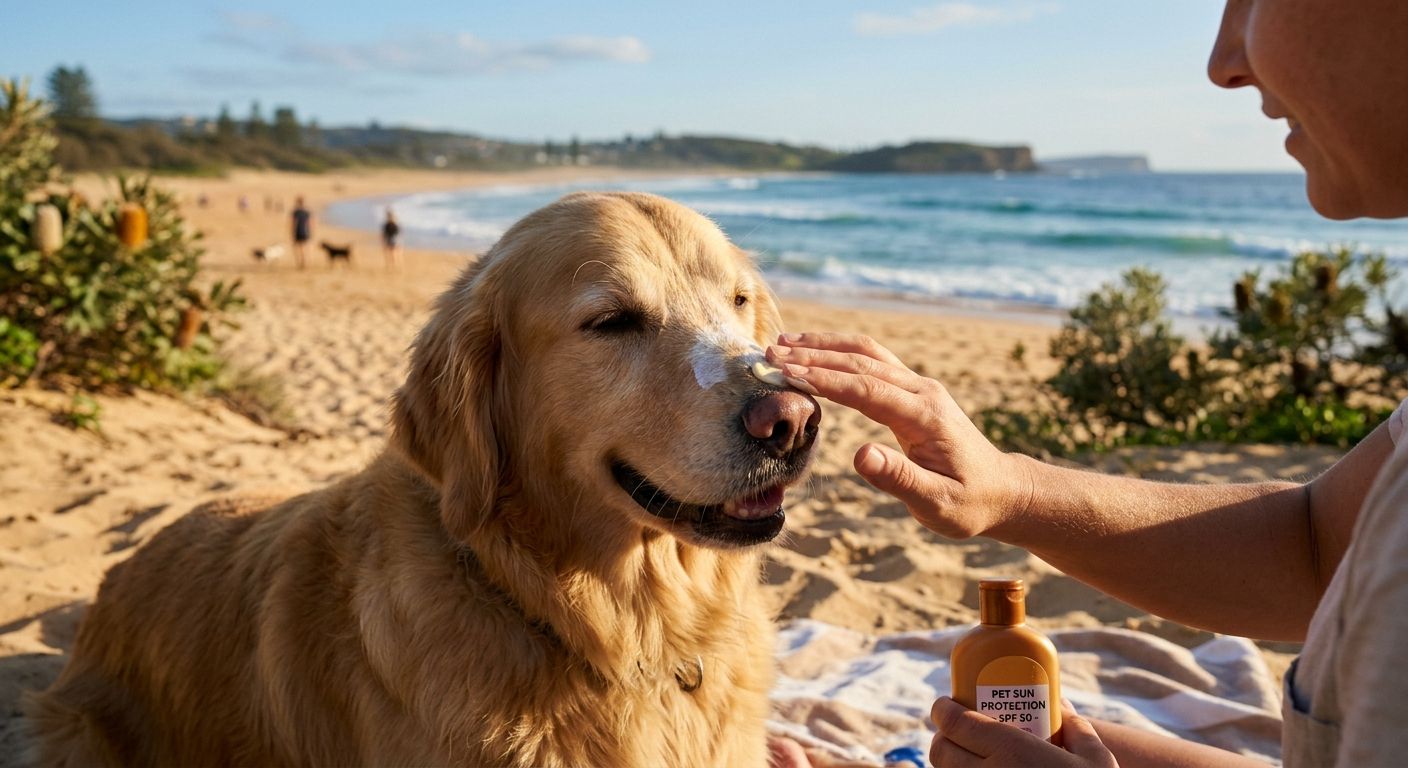

Best skin allergy treatment for dogs in Australia in 2026 depends on what's actually causing the itch. Best for fast relief: Cytopoint (lokivetmab) injections. Best for daily at-home control: Apoquel (oclacitinib) tablets. Best for secondary infections: medicated shampoo therapy. Guessing from a pet shop shelf wastes weeks while your dog keeps scratching — the diagnosis has to come first.
- Cytopoint (lokivetmab) gives the fastest itch relief but needs repeat vet visits every few weeks.
- Apoquel (oclacitinib) suits daily home management but isn't for puppies under 12 months.
- Medicated shampoo (chlorhexidine/miconazole) treats secondary skin infections, not the root allergy.
- Elimination diet trials confirm food allergies over 8-12 weeks but demand strict compliance.
- The best skin allergy treatment for dogs in Australia in 2026 starts with a vet diagnosis, not a product pick.
Why this matters
Itchy skin is one of the most common reasons dogs get brought into a Northern Beaches clinic, and the cause is rarely obvious from the outside. Flea allergy dermatitis, environmental atopic dermatitis (pollen, dust mites, grasses) and food allergies can all produce the same scratching, licking and red skin — but they need different treatments entirely.
Treating the wrong trigger means the itch comes back within days, no matter how good the product is. A skin scrape, a diet trial or an allergy test tells you which of the options below is actually right for your dog, and Two by Two Vet works through that diagnosis before recommending a treatment path.
What makes the best skin allergy treatment for dogs
- Speed of relief — how fast the itch settles once treatment starts
- Root-cause coverage — whether it treats the trigger or just masks the symptom
- Safety for long-term use — bloodwork requirements, age restrictions, interaction risk
- Ease of administration — injection every few weeks vs. daily tablet vs. topical routine
- Vet oversight needed — some options are over-the-counter adjuncts, others require prescription and monitoring
- Fit with the confirmed trigger — flea, food, or environmental allergy each point to a different first-line option
Skin allergy treatments at a glance
| Treatment | Best for | Standout feature | Key limitation |
|---|---|---|---|
| Cytopoint (lokivetmab) | Fast itch relief | Monoclonal antibody, works within a day | Requires a repeat vet injection every 4-8 weeks |
| Apoquel (oclacitinib) | Daily at-home management | Oral JAK inhibitor, once or twice daily | Not for puppies under 12 months; needs regular bloodwork |
| Medicated shampoo (chlorhexidine/miconazole) | Secondary skin infections | Treats bacteria and yeast on the skin surface | Needs twice-weekly bathing; doesn't stop the trigger |
| Hypoallergenic elimination diet | Suspected food allergy | Identifies the exact trigger over 8-12 weeks | Strict compliance, no treats, slow results |
| Allergen-specific immunotherapy | Long-term environmental allergy control | Retrains the immune response instead of masking it | Takes 6-12 months for full effect |
| Omega-3 fatty acid supplementation | Mild seasonal flare support | Supports skin barrier, low side-effect risk | Too weak alone for moderate-severe cases |
1. Cytopoint (lokivetmab): best skin allergy treatment for dogs needing fast relief
Cytopoint is a monoclonal antibody injection that targets IL-31, the molecule largely responsible for the itch sensation in canine atopic dermatitis. It's given as a vet-administered injection and most dogs feel relief within 24 hours.
Cytopoint pros:
- Fast-acting, often noticeable within a day
- No daily dosing to remember
- Well tolerated across most ages and breeds
Cytopoint cons:
- Needs a clinic visit every 4-8 weeks for repeat dosing
- Treats the itch signal, not the underlying trigger
- Effect wears off between doses if the allergy is severe
Best for: dogs with confirmed atopic dermatitis who need itch control fast while the underlying trigger gets worked out.
Verdict: Buy-in for immediate relief, but pair it with a proper allergy work-up.
2. Apoquel (oclacitinib): best skin allergy treatment for dogs needing daily home control
Apoquel is an oral JAK inhibitor tablet, dosed once or twice daily depending on the phase of treatment. It blocks the itch and inflammation pathway systemically, which makes it a common long-term maintenance option.
Apoquel pros:
- Simple daily or twice-daily tablet routine
- Reduces both itch and inflammation
- Widely used and well studied in Australian veterinary practice
Apoquel cons:
- Not approved for dogs under 12 months old
- Requires periodic bloodwork to monitor long-term use
- Can interact with other immune-suppressing medications
Best for: adult dogs with chronic atopic dermatitis who need a manageable daily routine rather than repeat clinic visits.
Verdict: Buy-in for daily management once your vet has ruled out infection and confirmed age suitability.
3. Medicated shampoo therapy: best skin allergy treatment for dogs with secondary infections
Chlorhexidine and miconazole shampoos (sold under brands like Malaseb) treat the bacterial and yeast overgrowth that often piggybacks on an underlying allergy. Allergic skin is compromised skin, and secondary infection is common once scratching breaks the surface.
Medicated shampoo pros:
- Treats the skin directly, reducing reliance on systemic medication
- Available without daily oral dosing
- Useful alongside Apoquel or Cytopoint, not instead of them
Medicated shampoo cons:
- Needs consistent twice-weekly bathing to work
- Doesn't address the original allergy trigger
- Some dogs tolerate bathing poorly, which adds stress
Best for: dogs with visibly infected, smelly or crusty skin on top of an existing allergy.
Verdict: Buy-in as an adjunct treatment, not a standalone fix.
4. Hypoallergenic elimination diet trial: best skin allergy treatment for dogs with suspected food triggers
An elimination diet trial swaps every protein and carbohydrate source your dog has eaten for a novel or hydrolysed protein diet, run strictly for 8-12 weeks. It's the only reliable way to confirm or rule out a food allergy — blood and saliva allergy tests for food are not considered accurate by most veterinary dermatologists.
Elimination diet pros:
- The only definitive test for food allergy
- No medication side effects
- Often improves gut health alongside skin
Elimination diet cons:
- Requires zero treats, table scraps or flavoured medication for months
- Slow — results take weeks, not days
- Easy to accidentally break the trial and have to restart
Best for: dogs with year-round itching (not seasonal) or gastrointestinal signs alongside skin issues. If food allergy is confirmed, a hypoallergenic dog food brand becomes the long-term maintenance diet.
Verdict: Wait and commit fully, or don't start it at all — a half-hearted trial gives a false negative.
5. Allergen-specific immunotherapy: best skin allergy treatment for dogs with long-term environmental allergies
Immunotherapy uses small, increasing doses of the specific allergens a dog reacts to (identified via intradermal or blood testing) to retrain the immune system over time. Unlike Apoquel or Cytopoint, it targets the actual cause rather than blocking the itch signal.
Immunotherapy pros:
- Addresses the root immune response, not just symptoms
- Can reduce or eliminate the need for daily medication long-term
- Safe for long-term, ongoing use
Immunotherapy cons:
- Takes 6-12 months before full benefit is seen
- Requires allergy testing upfront, which adds a diagnostic step
- Commitment to regular injections or drops over years
Best for: dogs with confirmed environmental allergies (pollen, grass, dust mites) who've been on repeat medication every season for years.
Verdict: Hold off until testing confirms the trigger, then commit for the long haul.
6. Omega-3 fatty acid supplementation: best skin allergy treatment for dogs with mild seasonal flares
Fish-oil based omega-3 supplements support the skin's barrier function and can take the edge off mild, seasonal itching. They're not a treatment on their own for moderate to severe atopic dermatitis, but they're a low-risk addition to any of the options above.
Omega-3 pros:
- Low risk of side effects
- Supports overall skin and coat condition
- Works alongside every other treatment on this list
Omega-3 cons:
- Too weak alone for moderate-to-severe cases
- Takes weeks of consistent dosing to show any effect
- Quality and dosing vary widely between products
Best for: dogs with mild, seasonal flare-ups who don't yet need prescription medication.
Verdict: Buy-in as an adjunct — don't rely on it alone if the itch is severe.
How this list was ranked
Each treatment was assessed against the six criteria above: speed of relief, root-cause coverage, long-term safety, ease of administration, level of vet oversight required, and fit with a confirmed trigger. Fast-acting options like Cytopoint rank highest on relief speed but lowest on addressing the cause; immunotherapy flips that ranking entirely.
“Treating the wrong trigger means the itch comes back within days, no matter how good the product is.”
Which skin allergy treatment should you choose?
If your dog's itch flared up suddenly and you need relief now, Cytopoint or Apoquel get things under control fastest — but that relief only holds if a vet has ruled out fleas, food and infection as the real cause. Flea allergy dermatitis remains one of the most common single triggers of itchy skin in dogs across Australia's climate, so year-round flea and tick prevention is worth checking before assuming it's environmental.
For dogs itching year-round with no clear seasonal pattern, the elimination diet trial is worth the 8-12 week commitment. For dogs who've been on repeat medication every spring for three years running, immunotherapy is the option that can actually change that pattern in 2026 and beyond.
FAQ
What is the best skin allergy treatment for dogs in Australia in 2026?
There's no single best option — Cytopoint and Apoquel give the fastest itch relief, while elimination diets and immunotherapy address the actual cause. The right choice depends on whether the trigger is environmental, food-based, or flea-related.
Is Apoquel better than Cytopoint for dog skin allergies?
Apoquel suits owners who prefer a daily tablet routine at home, while Cytopoint suits dogs needing an injection every 4-8 weeks with less daily management. Neither treats the underlying cause, so both work best alongside a diagnosis.
How much does dog skin allergy treatment cost in Australia?
Costs vary by clinic, treatment type and how often repeat visits or testing are needed. Ask your vet for a quote once the trigger and treatment plan are confirmed.
Can food allergies cause skin problems in dogs?
Yes, food allergies commonly cause year-round itching, often without a seasonal pattern. An 8-12 week elimination diet trial is the only reliable way to confirm it.
Do medicated shampoos treat dog allergies?
Medicated shampoos treat secondary bacterial and yeast infections that develop on allergic skin, but they don't address the original allergy trigger. They work best combined with a primary treatment.
How long does allergy immunotherapy take to work in dogs?
Allergen-specific immunotherapy typically takes 6-12 months to show full benefit. It requires allergy testing beforehand to identify the specific triggers.
Are omega-3 supplements enough for a dog's skin allergy?
Omega-3 supplements support skin barrier function but are usually too mild alone for moderate-to-severe atopic dermatitis. They work well as an add-on to other treatments.
One last thing
Gut health and skin health are more connected than most owners assume — dogs on an unstable gut often show worse skin flares, which is why some allergy work-ups now include a look at digestion alongside the skin itself. If your dog has both itchy skin and a sensitive stomach, a probiotic for sensitive stomachs is worth raising with your vet as part of the bigger picture in 2026.