Cat boarding for anxious cats means picking a facility, sitter, or vet-run cattery that actively reduces stress signals -- hiding, refusing food, excessive vocalising, over-grooming -- instead of one built for a confident, easygoing cat. A nervous cat doesn't need more space or more toys. It needs quiet, predictability, and staff who read feline body language and adjust on the spot.
The difference matters because a bad boarding experience for an anxious cat doesn't just ruin the week -- it can trigger stress cystitis, appetite loss, or a lasting fear of carriers and travel that follows the cat home. Two by Two Vet sees this pattern often in Balgowlah cats whose owners assumed "any cattery" would do.
- Cat boarding for anxious cats works best in cage-free, cat-only, low-noise environments -- not standard kennels.
- Pre-boarding vet checks in 2026 catch stress-related issues like cystitis before they start, not after.
- Pheromone diffusers and familiar scent items reduce visible stress signs but don't replace a quiet, separated space.
- Cat-only catteries beat multi-species boarding for anxious cats on almost every measure except convenience.
Why this matters for anxious cats
Anxious cats respond to boarding differently than confident cats do. A relaxed cat might explore a new cattery within hours; an anxious cat can stay pressed into a corner for the entire stay if the environment is wrong. That's not stubbornness -- it's a nervous system that reads unfamiliar smells, sounds, and the presence of dogs as ongoing threat.
Owners searching for cat boarding for anxious cats in 2026 are usually not first-time boarders. Most have already tried a standard kennel once and watched their cat come home withdrawn, over-groomed, or off its food for days. The fix isn't avoiding boarding altogether -- it's matching the cat's specific triggers to a setting built to remove them.
Update your pre-boarding assessment
Before you book anything, work out what actually sets your cat off. This step gets skipped constantly, and it's the single biggest predictor of how the stay will go.
- Note whether barking dogs, not just their presence, is the trigger -- some anxious cats tolerate a cat-only wing next to a boarded dog area, others don't
- Track feeding behaviour changes around vet visits or house guests as a proxy for boarding stress
- Ask your regular vet whether your cat has a history of stress cystitis or IBD flares tied to environmental change
- Identify whether carrier anxiety or new-place anxiety is the bigger driver, since each needs a different fix
- Write down the two or three things that calm your cat at home (a specific blanket, a particular room, being left alone versus handled)
Choose a cage-free, cat-only environment
Standard kennel-style boarding puts cats in adjoining runs near dogs, with shared corridors and constant foot traffic. For an anxious cat, that's a stress multiplier, not a minor inconvenience.
- Look for boarding that's physically separated from dog boarding, with its own air handling and entrance
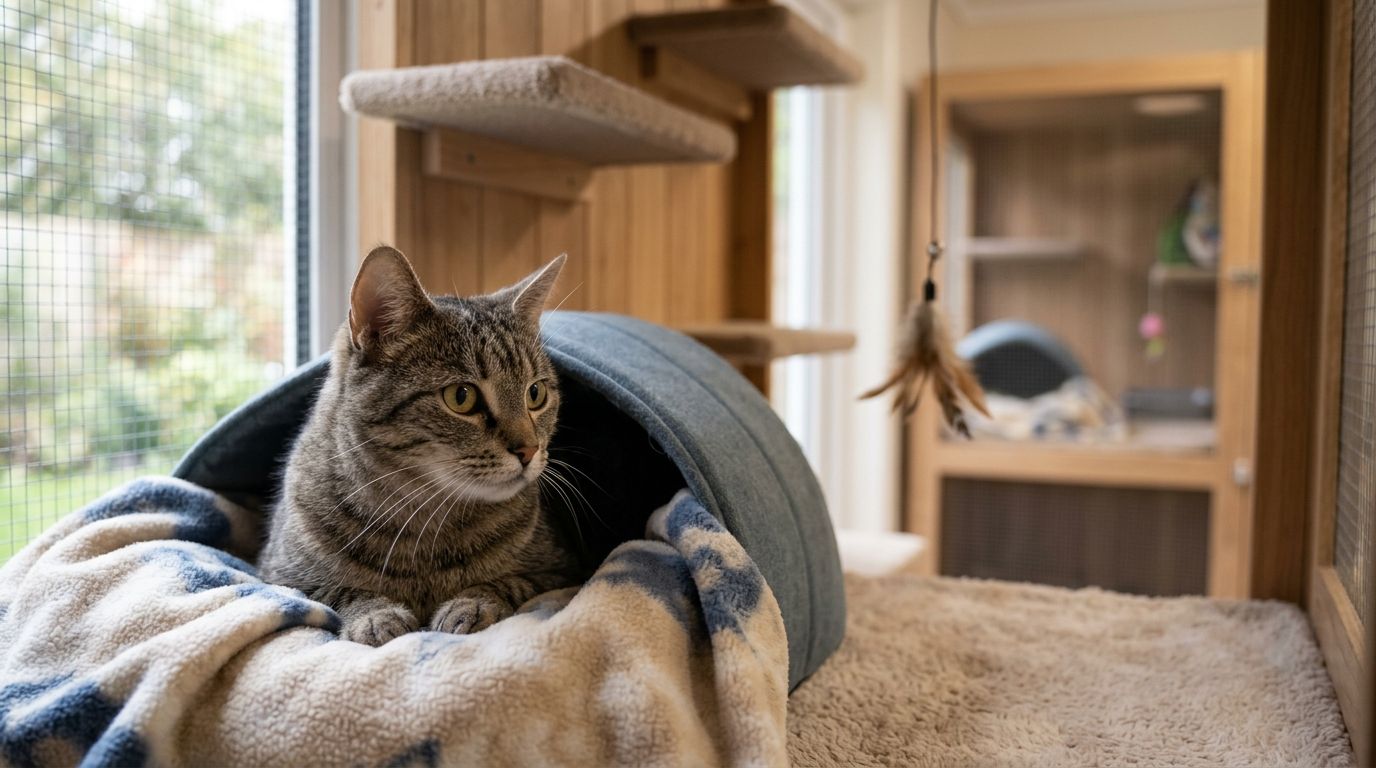
- Ask whether cats get individual rooms or multi-level enclosures rather than stacked cages
- Confirm staff-to-cat ratios and whether the same staff member checks on your cat daily, since consistency matters more than variety here
- Check that lighting and noise levels are kept low during the day, not just overnight
- Ask directly how the facility handles a cat that won't come out of hiding for the first 24 to 48 hours
A cat-only boarding kennel on the Northern Beaches with these features consistently produces calmer pickup days than a general pet boarding site, even when the general site is cheaper.
Bring familiar scent and comfort objects
Scent is the fastest way to make an unfamiliar space feel less threatening to a cat. This is free, low-effort, and skipped by more owners than it should be.
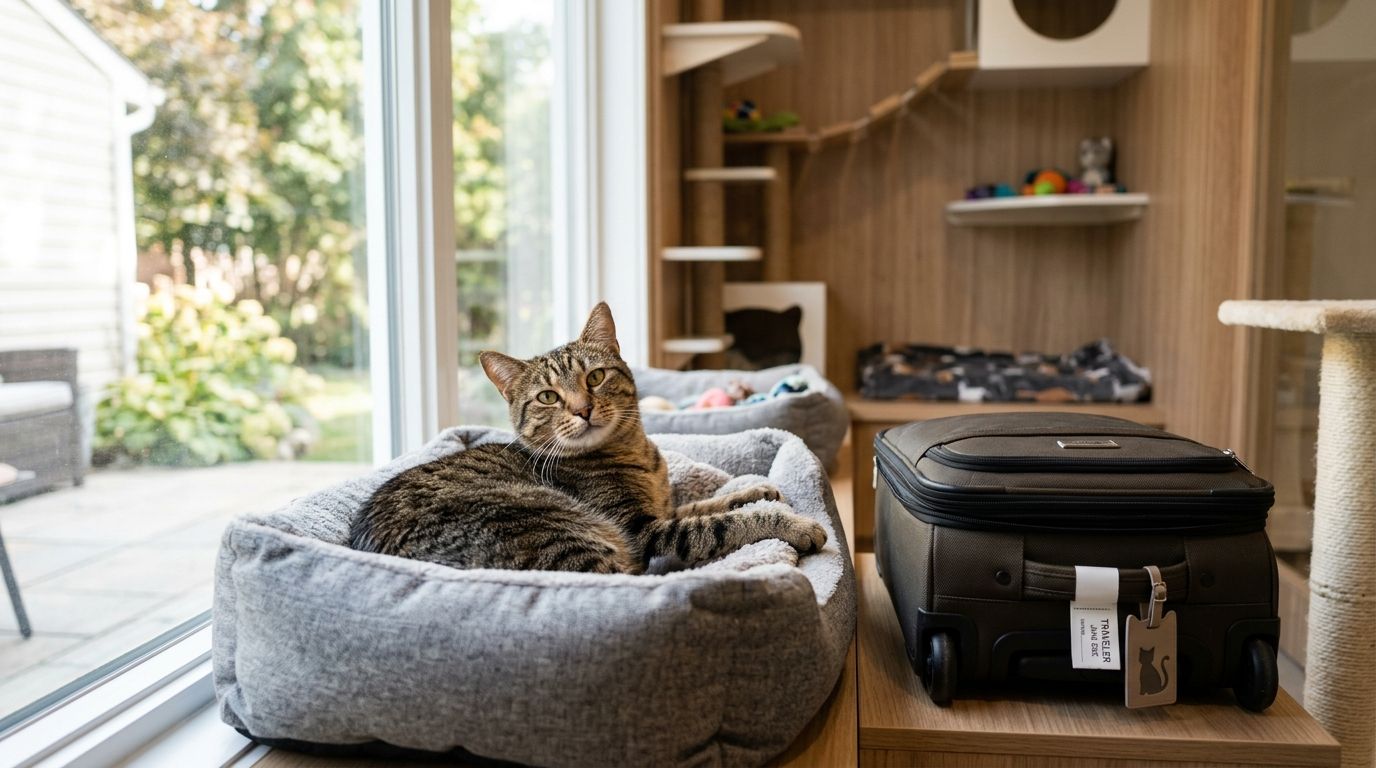
- Pack an unwashed blanket or bed from home rather than a clean one -- the scent is the point
- Bring the same litter brand your cat uses, since a texture or scent change on top of a location change compounds stress
- Include one worn item of your own clothing if your cat is bonded closely to you
- Avoid introducing brand-new toys during the stay; familiar objects work better than novel ones
Ask about pheromone support and calming aids
Synthetic feline pheromone diffusers and sprays are widely used in Australian catteries in 2026 and can measurably reduce visible stress behaviours like pacing and excessive vocalising, though they work best combined with the right physical environment, not as a substitute for it.
- Confirm the facility runs a pheromone diffuser in the cat wing continuously, not just on request
- Ask whether a calming spray is applied to bedding before check-in
- Discuss with your vet whether a short-term calming supplement is appropriate for a specific stay, especially for cats with a documented history of severe stress
- Never start a new calming product for the first time on the day of boarding -- trial it at home first
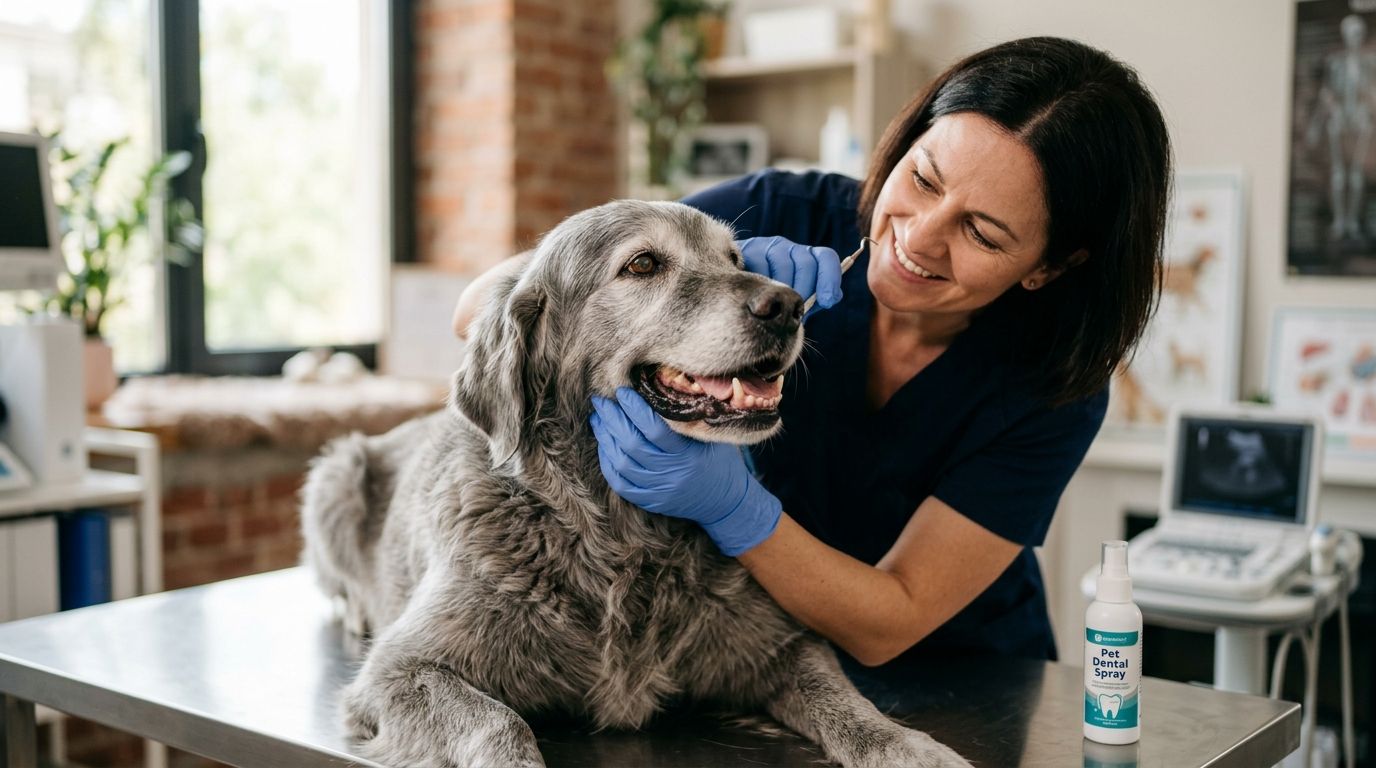
For cats with a documented pattern of extreme stress, a look at anti-anxiety products for cats during vet visits is a reasonable starting point, since the same triggers apply to boarding stays.
Book a pre-boarding vet check for cats with a stress history
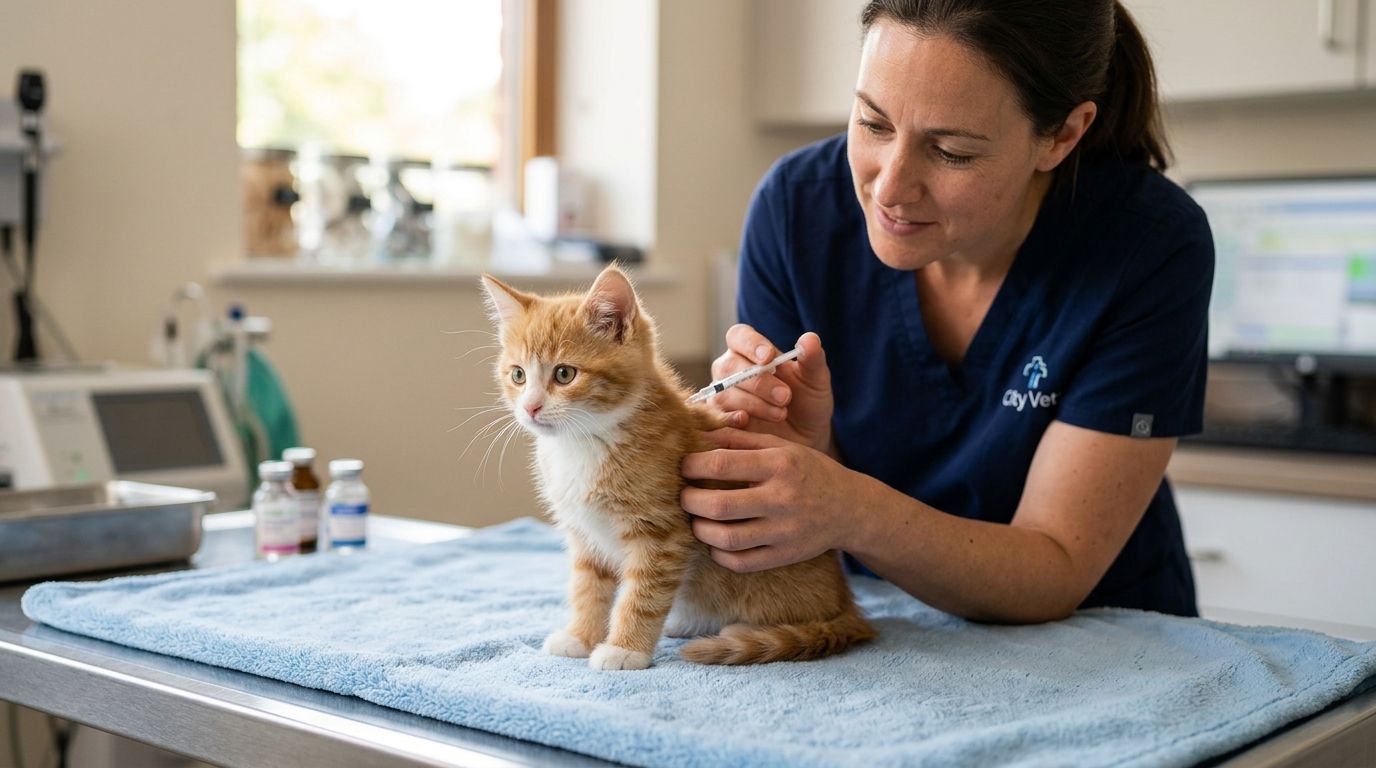
Any cat with a history of stress cystitis, IBD, or appetite loss during past boarding stays should be seen before the next booking, not after a flare-up starts. This step catches problems while they're manageable and gives boarding staff clear instructions if something changes mid-stay.
- Get bloodwork or a urine check if your cat has had stress cystitis before
- Confirm vaccination and parasite prevention are current, since boarding facilities require it and last-minute scrambling adds stress on both ends
- Ask your vet to write down specific signs that mean "call the owner immediately" versus "monitor"
- Request a written feeding and medication plan the boarding facility can follow exactly
Talk to a vet before you book boarding
Get a pre-boarding check and a stress plan tailored to your cat.
Set up monitoring and communication during the stay
Anxious cat owners want more visibility than the average boarder, and that's reasonable. Set expectations before drop-off rather than calling anxiously on day two.
- Ask how often staff check on cats and whether photo or video updates are offered
- Confirm who to call after hours if your cat stops eating
- Set a specific day for a check-in call rather than leaving it open-ended
- Ask whether the facility allows a small camera in the cat's space if you want extra visibility
Plan the pickup to avoid rebound stress
The transition home matters almost as much as the stay itself. Cats that come home to a chaotic house, a big greeting, or an immediate vet visit for something unrelated can carry stress signs for days longer than necessary.
- Pick up during a quiet window rather than peak collection time
- Keep the ride home calm and avoid stopping anywhere else with the cat in the carrier
- Give your cat a full day of low-key, low-handling time before expecting normal behaviour
- Watch litter box use and appetite for 48 hours and call your vet if either doesn't return to normal
Comparing boarding options for anxious cats
| Option | Best for | Key limitation |
|---|---|---|
| Cat-only boutique cattery | Cats triggered mainly by dogs and noise | Fewer locations, often books out early |
| Vet-hospital-attached boarding | Cats with a stress cystitis or IBD history | Feels more clinical, less "homely" for some cats |
| In-home pet sitter | Cats that can't tolerate any environment change | Loses on-site vet access if something goes wrong |
| Standard multi-species kennel | Confident, low-anxiety cats only | Generally the wrong choice for genuinely anxious cats |
The verdict for most anxious cats in 2026: a cat-only facility with vet access on standby beats a standard kennel on nearly every dimension except price, and it beats an in-home sitter on medical backup if something goes wrong mid-stay.
Common mistakes anxious cat owners make
- Booking the cheapest option without asking about separation from dogs. Price rarely correlates with how quiet the cat wing actually is.
- Introducing a brand-new carrier or calming product on the day of drop-off. Anything new on top of the boarding stress compounds the reaction.
- Skipping the pre-boarding vet check for a cat with a known stress history. Catching an issue early is far easier than treating a full flare-up mid-stay.
- Assuming a bigger enclosure is better. For an anxious cat, a smaller, quieter, more predictable space usually beats a larger one with more foot traffic.
- Expecting immediate normal behaviour at pickup. Most anxious cats need 24 to 48 hours at home before appetite and litter habits settle.
Owners managing more than one nervous cat should also check the multi-cat household boarding guide, since housing two anxious cats together versus separately changes the calculation.
FAQ
What's the best cat boarding option for an anxious cat?
A cage-free, cat-only cattery with low noise and no dog exposure is the best fit for most anxious cats in 2026. Vet-hospital-attached boarding is a stronger option specifically for cats with a history of stress cystitis or IBD.
Is a pet sitter better than a cattery for anxious cats?
An in-home sitter avoids the environment change entirely, which suits cats that can't tolerate any new setting. The trade-off is losing on-site vet access if a medical issue comes up mid-stay.
How much does cat boarding for anxious cats cost in Australia?
Pricing varies by facility, region, and length of stay, and changes throughout the year, so check current rates directly with the boarding provider rather than relying on old figures.
Do pheromone diffusers actually help anxious cats during boarding?
Pheromone diffusers can reduce visible stress behaviours like pacing and vocalising when combined with a quiet, cat-only environment. They work best as one part of the setup, not as a stand-alone fix.
Should I get my anxious cat checked by a vet before boarding?
Yes, especially if your cat has a history of stress cystitis, IBD, or appetite loss during past stays. A pre-boarding check lets the vet flag warning signs the boarding staff should watch for.
How long does it take an anxious cat to settle into boarding?
Many anxious cats need the first 24 to 48 hours to stop hiding and start eating normally in a new environment. A facility that expects and plans for this window is generally better suited to nervous cats.
Can I bring my own items to reduce my cat's stress while boarding?
Yes. An unwashed blanket, familiar litter, and a worn item of your clothing all carry scent cues that help an anxious cat settle faster than a completely unfamiliar setup.
What signs mean my cat had a bad boarding experience?
Watch for appetite loss lasting more than two days after pickup, litter box avoidance, excessive grooming leading to bald patches, or straining to urinate, which can signal stress cystitis and needs a vet visit.
One last thing
The detail owners miss most often: it's not the cattery's amenities that determine how an anxious cat copes, it's the staff's willingness to leave the cat alone for the first day. Facilities that force early handling to "help the cat adjust" tend to produce worse outcomes than ones that let a hiding cat hide, check food and water quietly, and wait it out. Ask this one question before you book anywhere for 2026: what happens if my cat doesn't come out for 24 hours? The answer tells you more than any brochure.