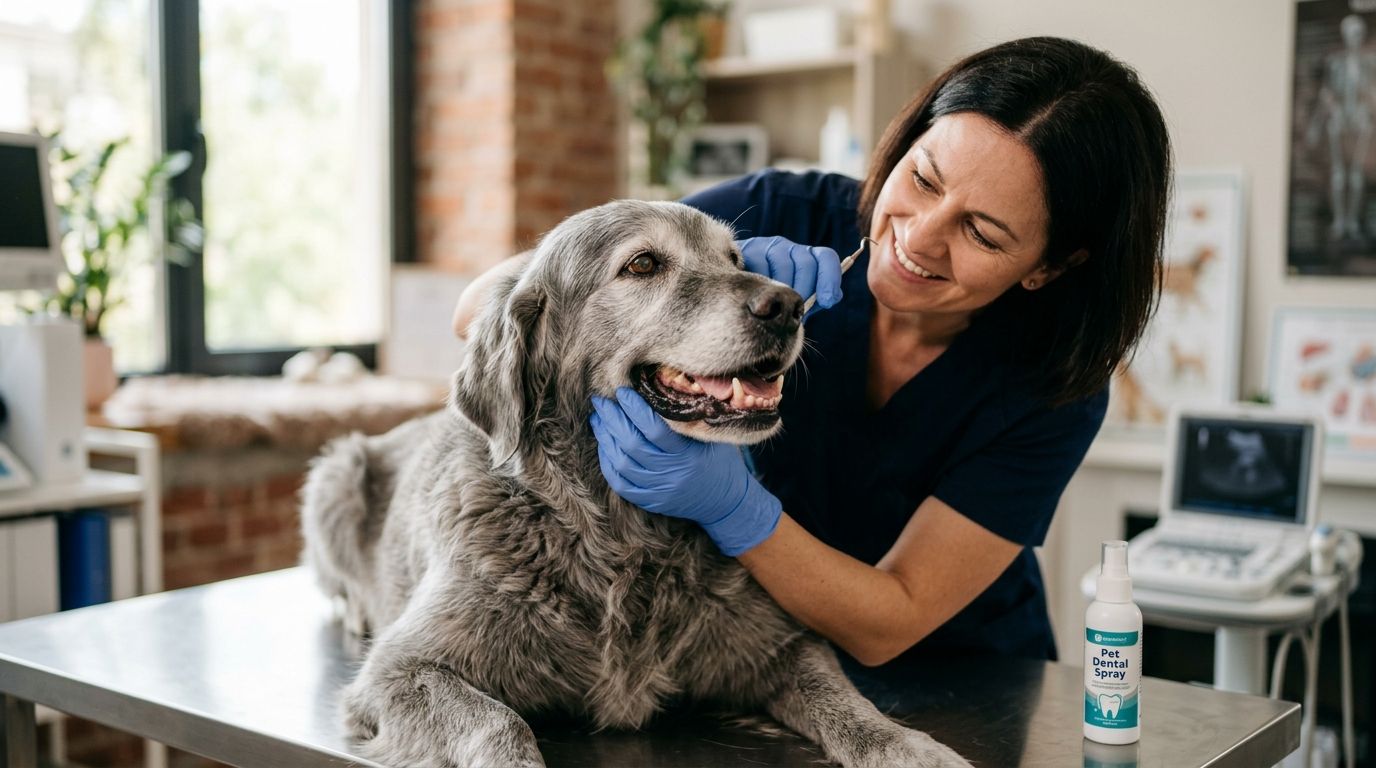
Dental care for senior dogs is a structured routine of professional cleaning, home maintenance and pain management built around one goal: stopping periodontal disease before it reaches the jaw, heart or kidneys. Dogs aged seven and older carry more entrenched tartar, higher anaesthetic risk and a stronger instinct to hide pain than younger dogs, so the plan has to change with age, not just repeat what worked at two years old.
- Dental care for senior dogs starts with a health check and bloodwork before any anaesthetic procedure in 2026.
- Daily brushing and dental chews slow plaque buildup but don't reverse tartar already under the gumline.
- A senior dog dental clean almost always needs pre-anaesthetic bloodwork, not just a scale and polish.
- Bad breath, dropped food and pawing at the mouth are pain signals, not just old-dog quirks.
- Skipping annual dental checks after age seven raises the risk of tooth loss, abscesses and jaw infection.
Why dental care matters for senior dogs
By three years of age, most dogs already show early signs of periodontal disease, and by the time a dog reaches seven or eight, that damage is usually well established under the gumline where owners can't see it. Senior dogs also mask pain far better than puppies do, which means the mouth can be genuinely painful weeks before a dog stops eating or starts pawing at their face.
The risk profile is different, too. A senior dog with dental disease is more likely to be carrying a heart murmur, kidney changes or arthritis at the same time, which is exactly why a proper vet health check for senior pets matters before any anaesthetic is scheduled. Treating the mouth in isolation, without checking what else is going on, is how avoidable complications happen.
Bacteria from infected gums also enters the bloodstream every time a dog chews. In an older dog with reduced kidney or heart reserve, that ongoing low-grade infection is a real strain, not a cosmetic issue.
Book a senior-specific dental and health check
A senior dental check is not the same appointment as a young dog's annual scale-and-polish consult. It needs to look at the whole animal before it looks at the teeth.
- Full oral exam under light sedation or during a wake exam, checking every tooth, not just the visible front ones
- Assessment of gum recession, loose teeth and pocket depth around molars
- Review of body condition, heart sounds and joint mobility alongside the mouth
- Discussion of anaesthetic risk specific to your dog's breed, weight and existing conditions
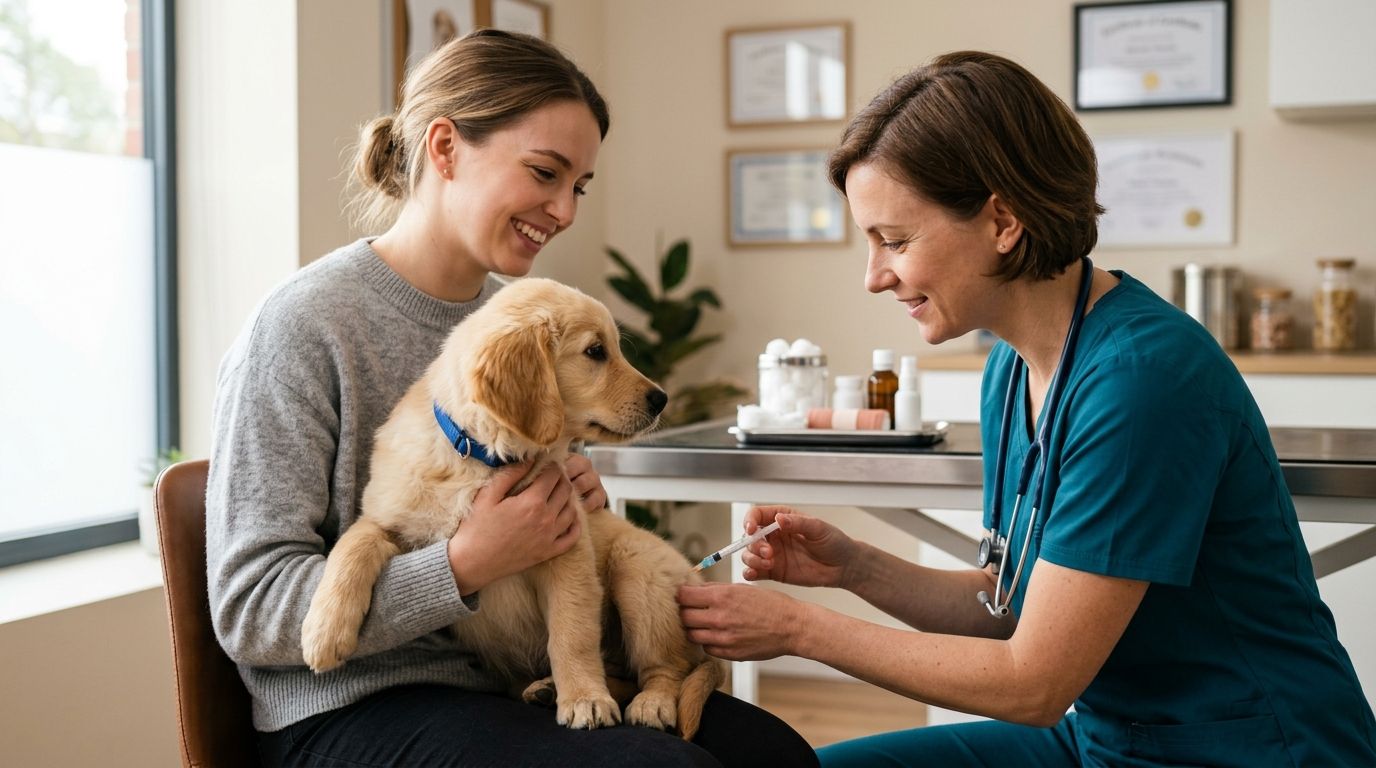
- A senior dental appointment with Two by Two Vet booked separately from a routine vaccination visit
Book the dental assessment as its own appointment, not tacked onto a five-minute vaccination slot, so the vet has time to actually check the back molars where problems hide first.
Get pre-anaesthetic bloodwork before any clean
Any dental clean under general anaesthetic for a dog over seven should be preceded by bloodwork, full stop. This is where the real decision-making happens, not on the day of the procedure.
- Kidney and liver function panels to confirm the dog can safely process anaesthetic drugs
- Complete blood count to rule out anaemia or infection before sedation
- Blood pressure check for dogs with a history of heart disease
- A tailored anaesthetic protocol adjusted for age, weight and organ function
- A clear conversation with your vet about what happens if extractions are needed mid-procedure
This is also where a family-run clinic earns its keep: a vet who already knows your dog's history makes faster, safer calls once your dog is under anaesthetic than one seeing the file for the first time.
Watch for pain signals you can't see on X-ray
Senior dogs rarely whimper about mouth pain. They compensate instead, and owners often miss it for months.
- Chewing only on one side of the mouth or dropping kibble mid-chew
- Sudden preference for wet food over dry, even after years of eating kibble
- Pawing at the face or rubbing the mouth against furniture
- Reluctance to be touched near the muzzle during patting
- Weight loss with no change in appetite volume, just slower eating
- Bad breath that's noticeably worse than a month earlier
Any two of these together in a dog over seven is worth a same-week vet visit, not a wait-and-see approach.
Build a daily home-care routine that fits an older dog
Home care won't fix disease that's already established, but it slows the next round of buildup and stretches the time between professional cleans.
- Brushing with a dog-specific enzymatic toothpaste, since two to three times a week beats none
- Short sessions of two to three minutes, since older dogs tire of restraint faster than puppies
- Dental water additives for dogs who won't tolerate brushing at all
- Soft-bristled brushes or finger brushes for dogs with sensitive or receding gums
- Consistent timing, ideally after the evening meal, so it becomes routine rather than a fight
The goal at this age isn't a perfect brushing habit. Any consistent home routine beats an inconsistent one, even if it's imperfect.
Choose chews and additives that match your dog's chewing ability
Not every chew suits a senior mouth. A hard chew that's fine for a four-year-old Labrador can crack a worn or loose tooth in an eleven-year-old dog.
- Softer dental chews designed for reduced bite force, not the hardest option on the shelf
- Size-appropriate chews that match jaw strength, since older dogs tire faster mid-chew
- Dog dental chews for plaque control as a daily supplement to brushing, not a replacement for it
- Avoiding bones, antlers and very hard chews once a dog has any existing tooth wear
- Monitoring chewing style after introducing anything new, watching for one-sided chewing or dropping
Plan for extractions and after-care
Most senior dental cleans reveal at least one tooth that needs extraction. Planning for it before the procedure, rather than being surprised by it, changes how the whole recovery goes.
- Soft food for seven to ten days after any extraction
- Pain management given exactly as prescribed, not stopped early because the dog seems fine
- A follow-up check within one to two weeks to confirm the gum has healed properly
- Reduced chewing and no hard toys during the recovery window
- Watching for swelling, discharge or reluctance to eat as signs of a complication
Budget realistically for the full cost of a dental clean
The number that surprises most owners isn't the scale-and-polish fee, it's the full picture once bloodwork, anaesthesia, monitoring and any extractions are added. A breakdown of what a dog dental clean actually costs in Australia is worth reading before you book, so there are no surprises on the day.
Comparing senior dog dental care options
| Option | Best for | Key limitation |
|---|---|---|
| Professional scale and polish under anaesthesia | Visible tartar, bad breath, established gum disease | Requires pre-anaesthetic bloodwork and fasting |
| Daily brushing | Dogs that tolerate handling, early prevention | Needs daily commitment, won't reverse existing disease |
| Dental chews | Dogs with mild plaque, still chewing well | Not a substitute for a clean once disease is established |
| Water additives | Fussy dogs, multi-pet households | Slower results, no effect on tartar already present |
| Extraction under general anaesthetic | Loose, infected or fractured teeth | Recovery time and pain management required after |
Verdict: a scale and polish plus bloodwork is the right call for any senior dog with visible tartar or bad breath in 2026 — chews and additives are maintenance tools, not a substitute for it.
Book a senior dog dental check
Bloodwork, a full oral exam and an anaesthetic plan tailored to your dog's age.
Common mistakes owners make with senior dog dental care
- Waiting for bad breath before acting — by the time breath smells bad, disease is usually well established under the gum
- Skipping bloodwork to save money — this is the single riskiest shortcut in senior dental care
- Assuming chews alone fix existing tartar — they slow new buildup, they don't remove what's already there
- Reading one-sided chewing as a preference — in a dog over seven it's a pain signal until proven otherwise
- Delaying because the dog is "too old for anaesthesia" — age alone isn't a contraindication, and in 2026 untreated dental disease is often the bigger risk
FAQ
What's the best dental care for senior dogs?
A combination of annual professional cleans with pre-anaesthetic bloodwork, near-daily brushing, and dental chews suited to a softer bite. Professional cleaning removes existing tartar; home care slows how fast it comes back.
Is anaesthesia safe for a senior dog's dental clean?
It is generally safe when preceded by bloodwork and an anaesthetic protocol adjusted for age and organ function. The risk comes from skipping those checks, not from age alone.
How much does a dog dental clean cost in Australia in 2026?
Costs vary by clinic, by how many extractions are needed and by whether bloodwork is included, so ask for an itemised quote before booking. A full breakdown of what is typically included is covered in the linked cost guide above.
How often should a senior dog get a dental check?
Once a year at minimum after a dog passes seven, and more often if gum disease or loose teeth have already been found. Small breeds usually need checks more frequently than large breeds at the same age.
Can dental disease affect a senior dog's heart or kidneys?
Yes, bacteria from infected gums enters the bloodstream with every chew and adds strain to organs that already have reduced reserve in older dogs. That is why a full health check, not just a mouth exam, matters before treatment.
Are dental chews enough for a senior dog?
No. Dental chews slow new plaque formation but do not remove tartar that has already hardened under the gumline. They work best alongside brushing and professional cleans, not instead of them.
What are the signs my senior dog needs a dental check now?
Bad breath, one-sided chewing, dropped food, pawing at the mouth and a sudden switch from kibble to soft food are the clearest signals. Any of these in a dog over seven warrants a vet visit within the week.
Should I brush my senior dog's teeth if the gums bleed?
Mild bleeding usually means the gums are already inflamed and need a vet check before you continue. Switch to a softer brush and book an exam rather than stopping brushing altogether.
One last thing
The detail most owners miss: a senior dog that suddenly prefers wet food over kibble is usually masking mouth pain, not developing a new taste. Kibble takes more bite force and more contact time than soft food, so a dog with a sore tooth quietly changes its own diet long before it shows any other sign. If that shift happens in 2026 with no other explanation, book the dental check before writing it off as old age.