Senior pet health checks are twice-yearly veterinary exams built to catch age-related disease in older dogs and cats before it turns into an emergency. Dogs are generally classed as senior from around age seven, earlier for large breeds; cats hit senior status around the same age but hide illness far better, so the exam has to work harder to find problems.
- Health checks for senior pets should happen twice a year from age 7, not once, because disease progresses faster in older animals.
- Baseline bloodwork and urinalysis catch kidney and thyroid disease months before symptoms show up at home.
- Two by Two Veterinary Hospital in Balgowlah runs senior wellness panels as the faster path once you've covered the free at-home checks.
- Dental disease, arthritis and weight change are the three things owners miss most often in pets over 7.
- Budget for senior-specific costs early - bloodwork, joint supplements and insurance premiums all climb once a pet is classified senior.
Why health checks matter for senior pets
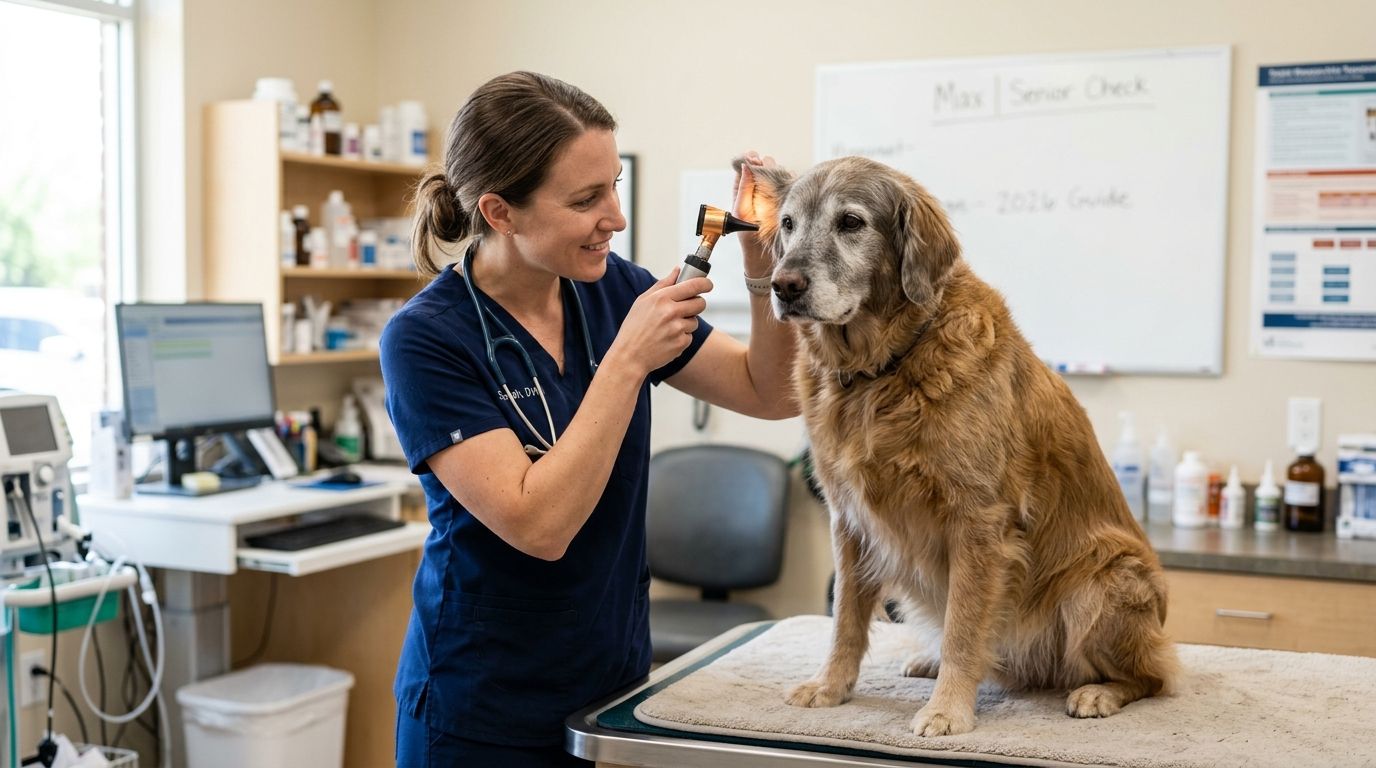
A senior dog or cat's body changes faster between exams than a younger one's does. Kidney values that were normal at a yearly check can shift meaningfully within six months once a pet passes seven or eight years old, which is the core argument for moving to twice-yearly visits rather than sticking with the annual schedule that worked at age three.
Cats are the harder case. A cat losing 10% of its body weight over a year can still eat normally and act fine at home, and owners on the Northern Beaches regularly bring in cats where the only sign was "she seemed a bit quieter." Two by Two Veterinary Hospital in Balgowlah structures senior checks around this blind spot - weighing on the same scale every visit, feeling the abdomen for changes, and checking blood pressure, because cats don't announce illness the way dogs do.
The verdict: twice-yearly health checks for senior pets catch disease while it's still treatable at home with medication or diet, not after it's already an emergency.
Update your senior pet's checkup schedule
Most pet owners keep the once-a-year rhythm out of habit long after their dog or cat has aged into the senior bracket. That gap is where problems get missed.
- Move to a six-monthly exam once your dog or cat turns 7 (5 for giant breeds like Great Danes or Mastiffs)
- Keep a written or phone-note record of weight at every visit so trends are obvious, not guessed at
- Ask for the same vet where possible - continuity catches subtle change better than a new set of eyes each time
- Book the second annual visit around the opposite season to the first, so you're not missing a full six months of change
- Add a reminder the day you book, because senior checkups are the appointment type owners reschedule most
Track early warning signs at home
The exam room only sees a snapshot. What you notice between visits often matters more than what the vet finds on the day.
- Weigh your pet monthly at home or at the clinic's front desk (most Northern Beaches vets will let you use their scale for free)
- Watch water bowl refills - a sudden jump in thirst is one of the earliest kidney and diabetes signs
- Note stiffness after rest, reluctance to jump onto furniture, or slower stairs - all early arthritis markers
- Check gums monthly for pale colour, bad breath, or visible tartar buildup
- Log any new lumps with a date and size so growth over weeks is obvious, not forgotten
- Track appetite changes over a week, not a single meal - one skipped dinner isn't a pattern
Update the diet and joint support routine
A senior pet's nutritional needs shift toward lower calories, higher joint support, and easier digestion, and the food that worked at age four often isn't right at age nine.
- Switch to a senior-formulated diet with adjusted protein and fat once weight or activity starts to change
- Add a joint supplement with glucosamine or omega-3s if stiffness shows up on the stairs or after naps - see this comparison of joint supplements for older dogs for what's actually worth adding
- Match portion size to activity level, not the bag's default recommendation - senior dogs that walk less need less food
- Split meals into two smaller portions if appetite has dropped, rather than one large one
- Check the best senior dog food options for joint health before switching brands, since not every "senior formula" actually supports joints
Run baseline bloodwork and urinalysis
This is where the free, at-home checks stop being enough. Kidney disease, thyroid imbalance, and early diabetes rarely show visible symptoms until they're advanced, and the only way to catch them earlier is bloodwork.
- Ask for a senior wellness panel that includes kidney values, liver enzymes, thyroid, and a full blood count
- Get a urinalysis alongside bloodwork - concentrated or dilute urine flags kidney function issues blood tests alone can miss
- Repeat the panel every 6-12 months once a baseline is established, so changes are measured against your own pet, not a generic range
- The fastest path here is a senior wellness panel at Two by Two Veterinary Hospital in Balgowlah - the same visit covers the physical exam, bloodwork, and a plan for anything that comes back abnormal
- Bring a list of any new symptoms noticed at home so the vet knows what to look for specifically, not just run a generic panel
Stay on top of dental care for older pets
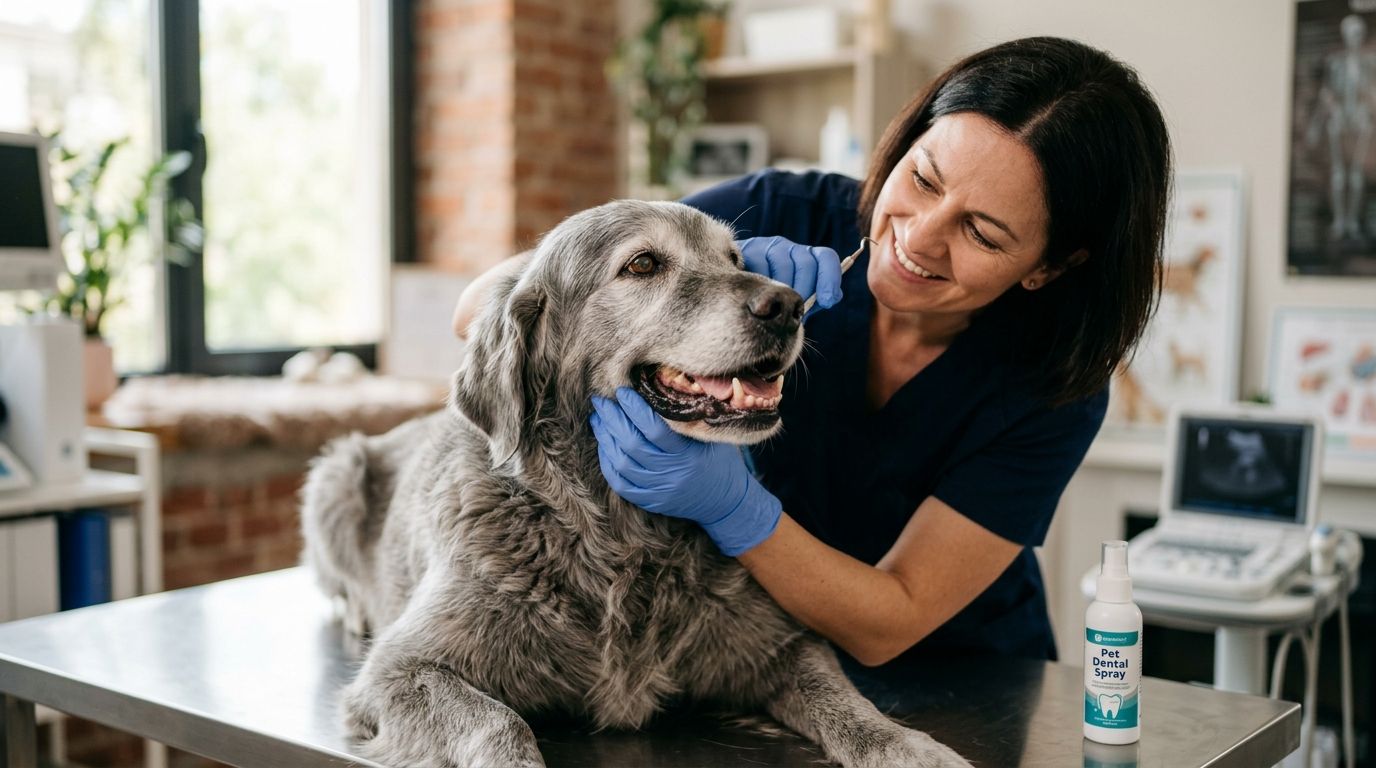
Dental disease is one of the most under-treated conditions in senior pets because owners assume bad breath is just "old dog smell." It isn't - it's usually bacteria that can reach the bloodstream and affect the heart and kidneys over time.
- Check gums and teeth monthly for redness, brown tartar, or visible recession
- Brush several times a week if your pet tolerates it - even inconsistent brushing beats none
- Use dental chews or water additives between cleans as a supplement, not a replacement, for professional care
- Book a dental assessment at the same visit as the senior wellness check, since anaesthetic risk assessment matters more in older pets
Budget for senior-specific costs
Senior pet care costs more than younger-pet care, and pretending otherwise means owners get surprised by a bill instead of planning for it.
- Compare pet insurance options for dogs in Australia before your pet's senior status starts triggering pre-existing condition exclusions
- Cat owners should do the same check early - see pet insurance for cats in Australia for how age affects premiums and cover
- Set aside a rough monthly amount for bloodwork, supplements, and dental cleans rather than budgeting only for emergencies
- Ask your vet for a written estimate before any procedure on a senior pet, since anaesthetic and monitoring costs are typically higher for older animals
Comparison: senior pet care options
| Option | Best for | Key limitation |
|---|---|---|
| In-clinic senior wellness panel | Catching kidney, thyroid and organ changes early | Requires a vet visit twice a year, not a DIY substitute |
| At-home monitoring (weight, water, mobility) | Spotting changes between visits | Can't detect internal organ changes without bloodwork |
| Pet insurance taken out before senior age | Reducing surprise costs on ongoing conditions | Pre-existing conditions are typically excluded once diagnosed |
| Dental chews and water additives | Maintaining teeth between professional cleans | Doesn't remove existing tartar or replace a dental clean |
Book a senior pet health check
Twice-yearly wellness panels for dogs and cats over 7, at our Balgowlah clinic.
Common mistakes owners make with senior pets
- Sticking to a once-yearly checkup after a pet has already crossed into senior age, missing the faster disease progression that comes with it
- Treating a cat's quietness as "just getting older" instead of a symptom worth investigating - cats mask illness better than dogs do
- Skipping bloodwork because the pet "looks fine" - kidney and thyroid disease are advanced by the time visible symptoms appear
- Ignoring dental tartar as cosmetic rather than a source of ongoing infection that can affect the heart and kidneys
- Waiting for a limp before addressing joint pain, when stiffness after rest is usually the earlier, quieter sign
FAQ
At what age does a pet need senior health checks?
Most dogs and cats are considered senior from around age 7, though giant dog breeds like Great Danes can reach senior status by age 5. That's the point to move from yearly to twice-yearly checkups.
How often should a senior dog or cat see the vet?
Senior pets should have a health check every 6 months rather than once a year, because conditions like kidney disease and arthritis can progress noticeably within that window.
What tests are included in a senior pet health check?
A typical senior wellness panel includes a physical exam, weight check, bloodwork covering kidney and liver values and thyroid, and a urinalysis. Dental assessment is often added at the same visit.
Do cats need senior health checks as much as dogs?
Yes, and arguably more - cats hide illness better than dogs and can lose significant weight or develop kidney disease without obvious symptoms at home. Twice-yearly checks catch what owners miss.
What are the first signs a pet is aging and needs more frequent vet visits?
Increased thirst, stiffness after rest, reluctance to jump or climb stairs, weight change, and bad breath from dental tartar are the earliest signals. Any of these is a reason to book a check rather than wait for the annual visit.
Is pet insurance worth it for a senior dog or cat?
It's most useful if taken out before the pet reaches senior age, since insurers typically exclude pre-existing conditions once they're diagnosed. Compare cover terms for older pets before assuming a policy will pay out on an existing issue.
How much does a senior pet wellness panel cost in 2026?
Pricing varies by clinic and by which tests are included, so check current pricing directly with your vet. Ask for a written estimate before the visit so there are no surprises on the bill.
Can dental disease in older pets affect other organs?
Yes - bacteria from untreated dental disease can enter the bloodstream and has been linked to strain on the heart and kidneys in older pets. That's why a dental check belongs in the same visit as the wellness panel, not a separate concern.
One last thing
The single biggest gap in senior pet care isn't missed bloodwork - it's owners waiting for a visible symptom before booking anything. By the time a senior dog limps or a senior cat stops eating, the underlying issue has usually been building for months. Twice-yearly checks exist specifically to catch it before that point, in 2026 and every year after.