First-time cat owners bringing home a kitten in 2026 need a vaccination plan that starts at 6-8 weeks of age and runs through to 16 weeks, protecting against feline parvovirus, herpesvirus and calicivirus before your kitten's immune system is fully mature. New owners face a different set of risks than experienced cat households: no existing home immunity from other resident cats, less familiarity with reading illness signs, and a kitten that's often still settling into a new environment during the exact window vaccinations matter most.
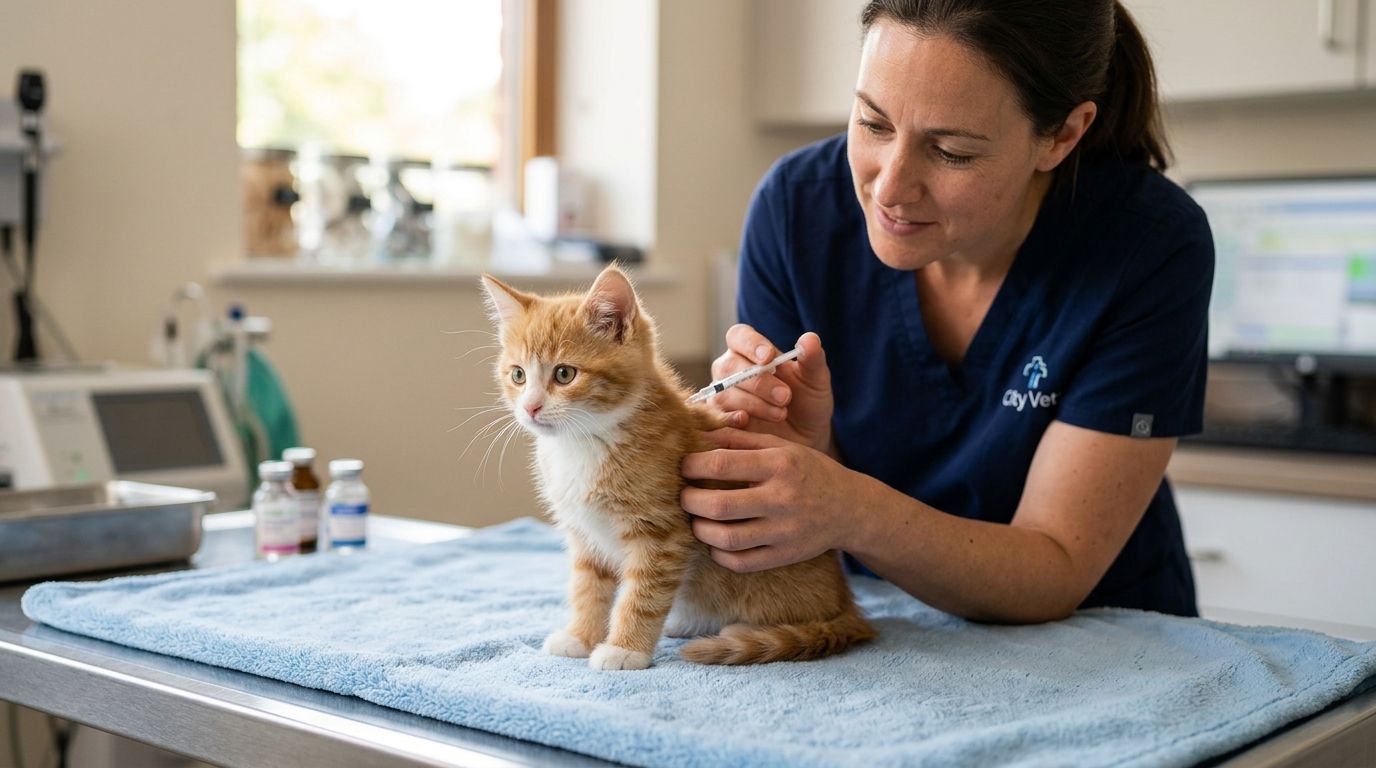
- Kitten vaccinations for first time owners start at 6-8 weeks and need boosters every 3-4 weeks until 16 weeks.
- F3 covers the three core feline diseases; F5 adds FIV protection for kittens that will go outdoors.
- Two by Two Veterinary Hospital in Balgowlah runs the full course plus parasite prevention in the same visit.
- Skipping a booster because the kitten seems fine after dose one is the most common first-owner mistake.
- Book the final core dose and a desexing consult together to avoid a second round of vet trips.
Why kitten vaccinations matter for first-time owners
A kitten's maternal antibodies fade unevenly between 6 and 16 weeks, which is exactly why a single shot never counts as full protection. First-time owners often assume one visit does the job, then let a kitten outside or around other cats before the course finishes — which is when parvovirus and calicivirus actually get transmitted.
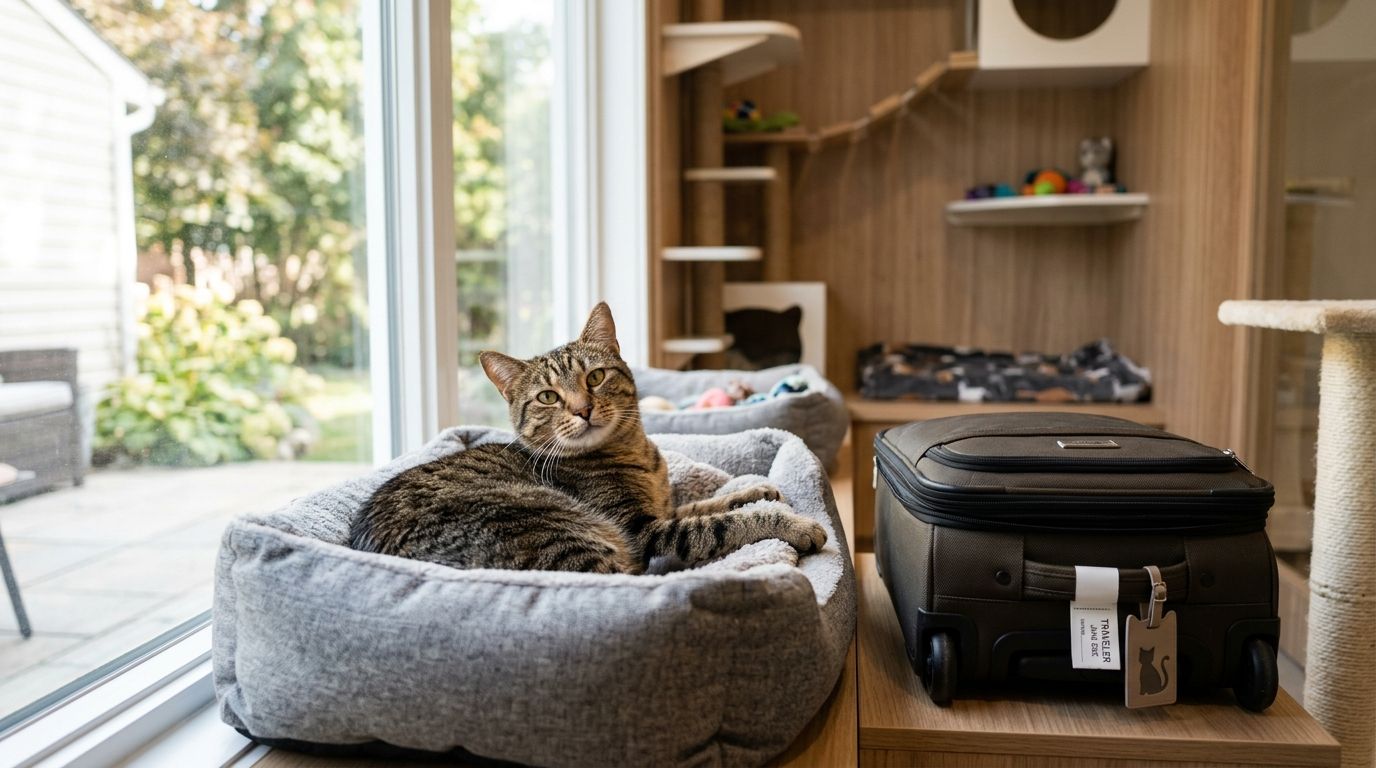
If your kitten is travelling to the clinic in a proper travel carrier for cats for the first time, that trip is also the first chance a vet has to check weight, teeth, ears and general condition before anything is wrong. For a first-time owner in 2026, that early check matters as much as the injection itself.
Update your vaccination timeline
Most first-time owners get the age window wrong in one direction or the other: starting late because the kitten "just got home", or stopping early once the kitten looks healthy.
- Book the first core vaccination at 6-8 weeks of age, not later
- Space subsequent doses 3-4 weeks apart, never longer
- Confirm the final dose lands at or after 16 weeks, the point maternal antibodies have fully cleared
- Keep the kitten away from unvaccinated cats and public spaces until the course is complete
- Write the exact dates down rather than relying on memory between visits
Choose the right core vaccine for your kitten
Australian vets typically offer three vaccine combinations, and picking the wrong one for your kitten's lifestyle is a common first-time mistake.
- F3 covers feline parvovirus (panleukopenia), herpesvirus and calicivirus — the three diseases every kitten needs protection against regardless of lifestyle
- F4 adds Chlamydia felis on top of F3, worth discussing if your kitten came from a shelter, breeder or multi-cat household
- F5 adds feline immunodeficiency virus (FIV) protection, relevant mainly for kittens that will spend time outdoors or around unknown cats
- Choose based on your kitten's actual future lifestyle, not on what a previous owner or breeder assumed
Prepare your kitten for each vet visit
A stressed kitten makes every vaccination visit harder on you and on the vet, and first-time owners often skip preparation entirely.
- Get the kitten used to the carrier at home for a few days before the appointment, not on the drive over
- Skip a full meal right before travel if your kitten tends toward car sickness
- Bring a familiar blanket or towel carrying the kitten's own scent
- Keep the carrier covered in the waiting room to cut visual stress from other animals
- Ask about calming options in advance if your kitten already reacts badly to new environments, an area covered in the guide to anti-anxiety products for cats during vet visits
Combine vaccination visits with parasite prevention
Vaccination appointments are the natural point to start flea, tick and worming protocols, but first-time owners often treat these as separate errands months apart.
- Start flea and tick prevention as soon as your vet clears a product for your kitten's age and weight
- Ask which products are safe to combine with the current vaccination stage
- Compare options against the guide to flea and tick prevention products for cats in Australia before buying anything off the shelf
- Set reminders for worming doses, which run on a different schedule than vaccinations
- Keep indoor-only kittens on baseline parasite protection too, since fleas travel indoors on people and other pets
Budget for the full first year, not just the first shot
First-time owners frequently price out one vaccination and get caught out by the full course plus boosters.
- Ask for a written quote covering the entire kitten series, not just the first visit
- Factor in the consultation alongside each vaccination dose
- Sort pet insurance before the first vaccination is due, since policies commonly exclude conditions identified before cover starts
- Compare providers using the guide to pet insurance for cats in Australia so you are not choosing under time pressure
- Plan separately for desexing, which usually lands close to the final core vaccination
Track records and plan the annual booster
A missing vaccination certificate is one of the most common problems first-time owners hit later, usually at boarding check-in or when changing vets.
- Keep a physical or digital copy of every vaccination certificate from day one
- Confirm with your vet whether your kitten moves to an annual or triennial booster after the first-year series
- Set a calendar reminder 30 days ahead of the next due date, not on the day itself
- Bring the full vaccination history to any new vet at the first visit
- Check boarding requirements early, since most facilities ask for the complete course, not the latest dose
Book your kitten's vaccination course
Northern Beaches families bring kittens to Two by Two Veterinary Hospital in Balgowlah for the full core series.
Comparing vaccine options for first-time owners
| Vaccine | Best for | Protects against | Key limitation |
|---|---|---|---|
| F3 | Every kitten, as the baseline | Parvovirus, herpesvirus, calicivirus | No Chlamydia or FIV cover |
| F4 | Shelter, breeder or multi-cat backgrounds | F3 diseases plus Chlamydia felis | Still no FIV cover |
| F5 | Kittens with planned outdoor access | F4 diseases plus FIV | Extra doses and a longer protocol |
The F3 vaccine is the correct starting point for almost every kitten in 2026, with F4 or F5 layered on only when the kitten's real lifestyle calls for it.
“A kitten that looks perfectly healthy after one shot is exactly the kitten that still needs the next two.”
Common mistakes first-time owners make
- Waiting to settle the kitten in before the first shot. The 6-8 week window does not move for convenience.
- Skipping a booster because the kitten seems healthy. Immunity gaps show no symptoms until exposure happens.
- Letting the kitten outside before 16 weeks. This is when most preventable infections occur.
- Not mentioning a mild reaction to a previous dose. Your vet needs that before giving the next one.
- Forgetting desexing until months later. Booking it near the final booster saves an extra trip.
FAQ
What age should a kitten get its first vaccination?
A kitten should get its first core vaccination at 6-8 weeks of age. Waiting longer leaves a protection gap as maternal antibodies fade.
How many kitten vaccinations do first-time owners need to plan for?
Most kittens need a series of doses spaced 3-4 weeks apart, finishing at or after 16 weeks. Plan for the full course, not a single visit.
Is F3 or F5 better for a first-time cat owner?
F3 covers the three core feline diseases every kitten needs. F5 adds FIV protection and suits kittens that will spend time outdoors or around unknown cats.
Can a kitten go outside before finishing its vaccination course?
No. Keep the kitten away from unvaccinated cats and public outdoor areas until the final core dose is given at 16 weeks or later.
Do indoor-only kittens still need vaccinations?
Yes. Indoor kittens still need the core F3 series, because visitors, other pets and trips to boarding or the vet all carry exposure risk.
What happens if a kitten misses a booster appointment?
A missed booster can mean repeating part of the series, since the gap stretches beyond the recommended 3-4 week spacing. Call your vet as soon as you realise.
Should pet insurance start before or after the first vaccination?
Start insurance before the first vaccination where possible. Policies commonly exclude conditions identified before cover begins.
How long does protection last after the final kitten dose?
Most kittens move to an annual or triennial booster after the first-year series. The interval depends on the vaccine used and your vet's protocol.
One last thing
The detail first-time owners miss most often is not the schedule, it is the paperwork. Boarding facilities and new vets both ask for proof of the complete course rather than the most recent date, so keep every certificate from that first 6-8 week visit in one folder from day one — the request always arrives at the least convenient moment.