Cat boarding for multiple cats means housing two or more cats from the same household in shared or adjoining accommodation while you're away, with the goal of keeping bonded cats calm and every cat's health individually monitored. A single-cat boarding plan doesn't automatically scale: two cats bring compatibility questions, mismatched medication schedules, and double the carrier logistics that one cat never does.
- Cat boarding for multiple cats works best when facilities assess compatibility before deciding shared vs. individual pens.
- Two by Two Vet's cat boarding in Balgowlah pairs on-site vet oversight with flexible housing for bonded and unbonded cats.
- Book vaccinations at least two weeks ahead - immunity from a booster needs time to build before mixing with other cats.
- Mismatched medication timing between cats is the most common multi-cat boarding mistake in 2026.
Why cat boarding for multiple cats matters
Owners searching for cat boarding for multiple cats aren't usually asking whether boarding exists - they're asking whether their cats should stay together, and whether one facility can handle two very different animals at once. That's a fair concern: a 14-year-old cat on thyroid medication and a 2-year-old kitten don't have the same boarding needs, even if they share a home and a litter tray.
The Northern Beaches has a reasonable spread of cat boarding options in Sydney, but multi-cat households need to filter for facilities that separate cats when required rather than defaulting every pair into one pen because they arrived together. Cat boarding for multiple cats works best when the facility treats compatibility as a health decision, not a convenience one.
Assess whether your cats should board together
Start here before you book anything. Cats that groom each other and sleep touching at home usually transfer that comfort to a shared pen - but not always, and confinement changes behaviour.
- Watch for mutual grooming and synchronized sleeping as positive signs
- Note any resource guarding around food, water, or the litter tray
- Flag cats with a large age gap (senior cats often want distance from kittens)
- Separate cats if either shows hissing, growling, or swatting during normal daily contact
- Check whether one cat is on a restricted diet the other would steal
Prepare a boarding checklist before drop-off
A rushed drop-off with two or three cats multiplies the chance something gets left behind - the wrong medication dose, an outdated vaccination certificate, or a missing carrier.
- Current vaccination certificates for each cat, not just one shared record
- A written feeding schedule per cat, including brand, quantity, and timing
- A labelled medication list with dosage and time of day, per cat
- A familiar blanket or toy per cat to reduce shared-scent confusion
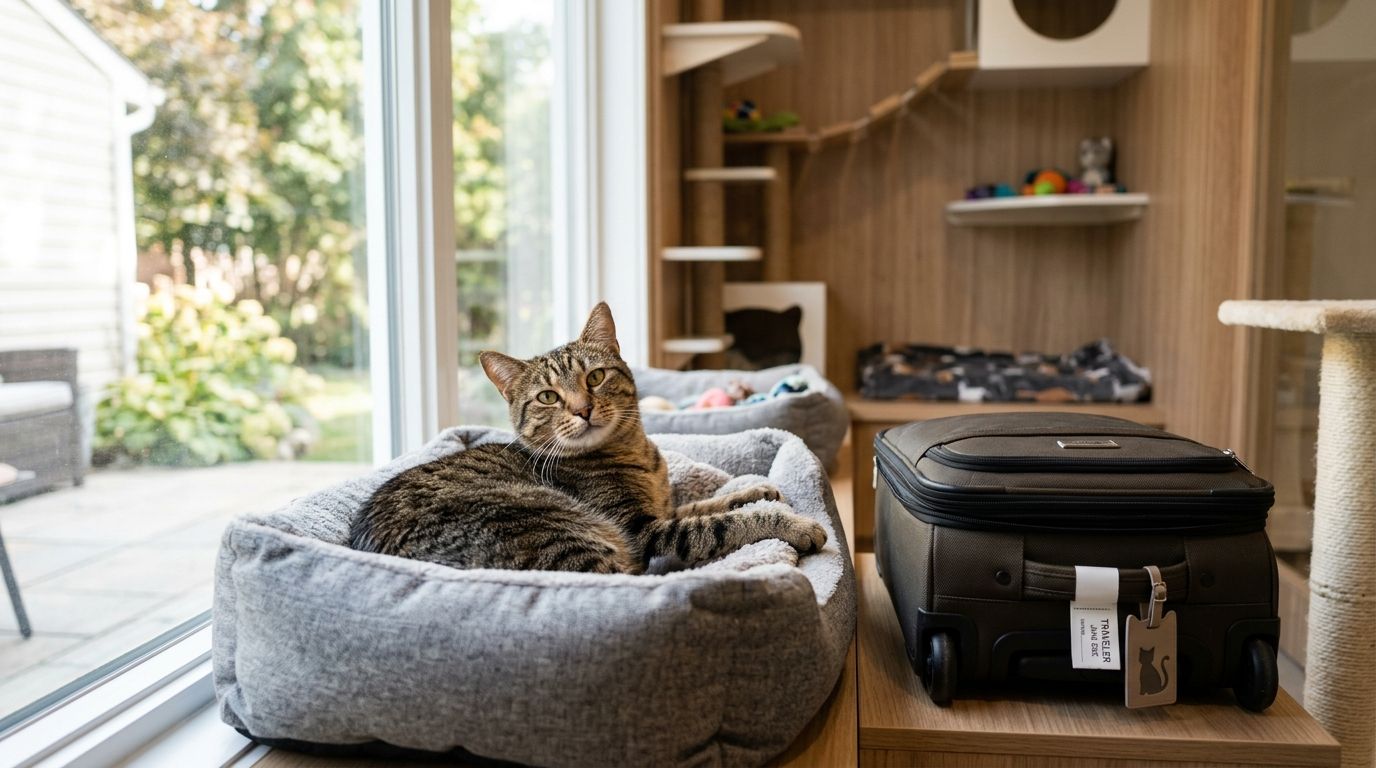
- One carrier per cat - never double up two cats in one carrier for transport
- Emergency contact details and your regular vet's name and number
Update vaccinations and health checks ahead of time
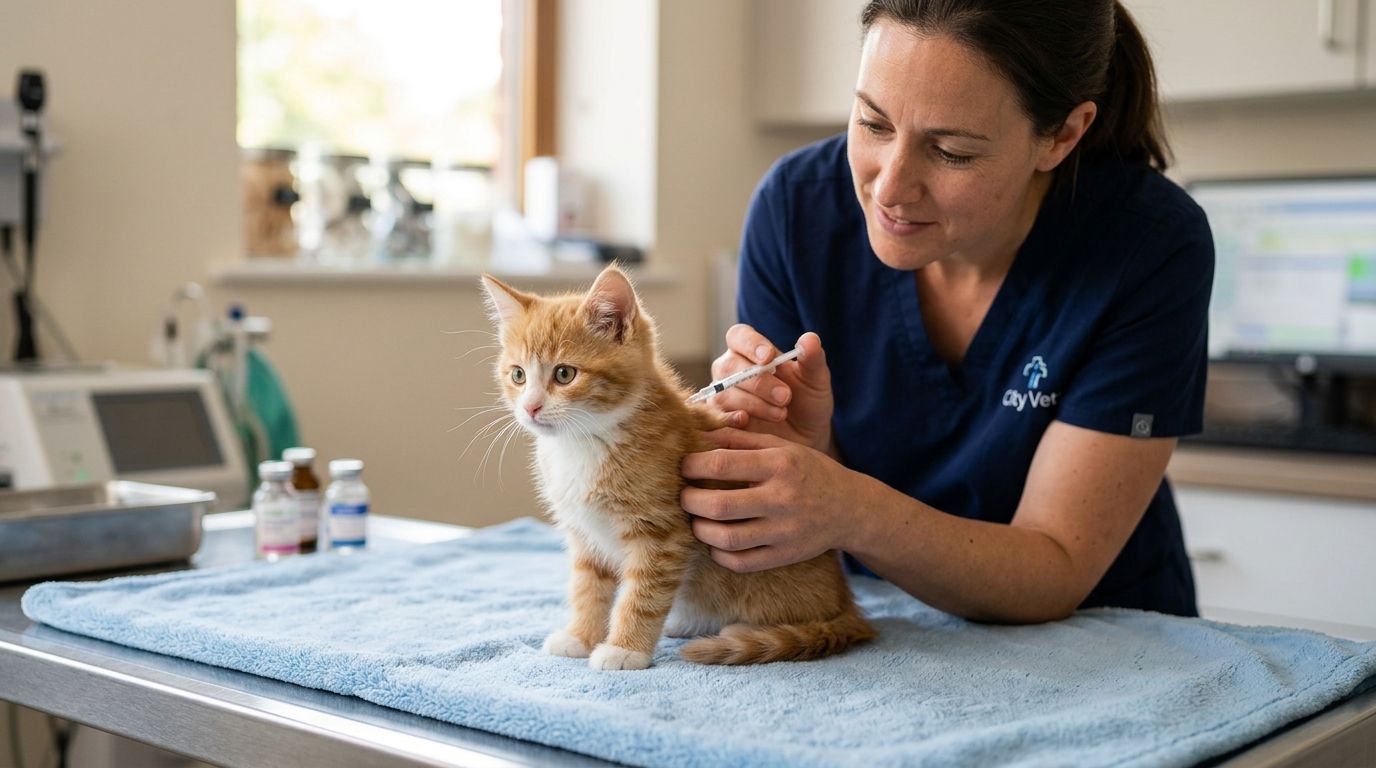
Most boarding facilities in 2026 require F3 (feline three-in-one) vaccination current within the last 12 months, and some ask for F4 if cats will have any contact with unfamiliar animals. Book the booster at least two weeks before drop-off, because immunity takes time to build after vaccination - a same-week jab doesn't give full protection.
- Confirm F3/F4 vaccination status for every cat, not just the one due soonest
- Book a health check if any cat is over 10 years old or has a chronic condition
- Update flea and tick prevention before boarding, since shared spaces increase exposure
- Ask your vet to flag any medication interactions if cats will be housed near each other
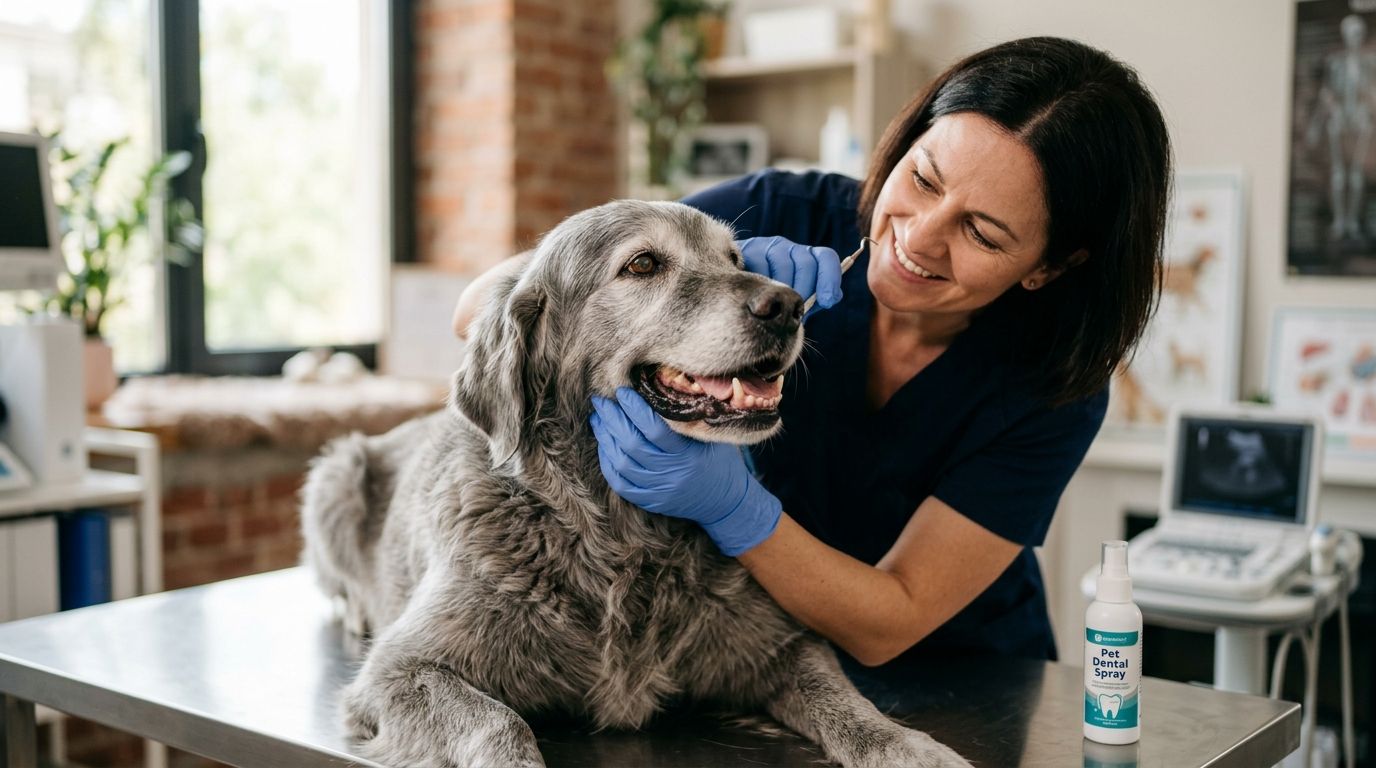
This is where a vet-run boarding option earns its place over a standalone kennel. Two by Two Vet's cat boarding runs inside a working veterinary hospital in Balgowlah, which means a vet is on-site if a boarded cat's condition changes overnight - not a guarantee a general boarding kennel can make.
Choose the right accommodation type
Not every multi-cat household needs one pen. Ask the facility directly how they house cats from the same home.
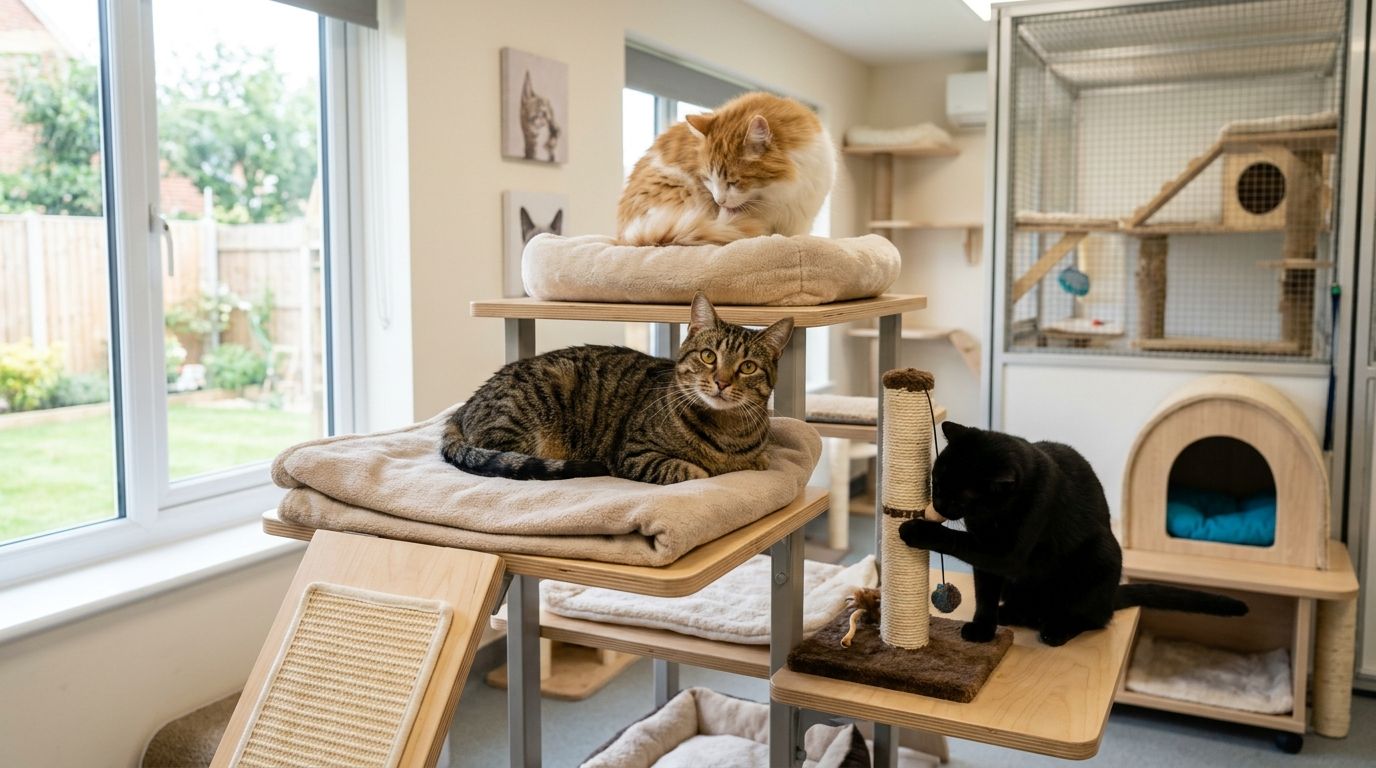
- Shared pens for cats confirmed as bonded and food-compatible
- Individual suites side by side for cats that tolerate each other but eat separately
- Full separation, out of sight, for cats with any history of conflict
- Vertical climbing space in shared pens to reduce territorial pressure
- Distance or a visual barrier from boarding dogs, since even confident cats find barking stressful
Communicate special needs clearly
Multi-cat bookings fail when staff assume identical care for cats that arrived together. Put it in writing, not just a verbal note at drop-off.
- Diet differences, including any cat on a prescription or restricted diet
- Medication timing per cat, especially if two cats take different drugs at different hours
- Litter substrate preference if a cat is fussy about texture
- Known stress signals for each cat (hiding, not eating, over-grooming)
- Your preferred update frequency - some owners want a photo, others don't need one
Monitor from a distance where possible
Owners of two or three cats often want more visibility than a single-cat owner does, simply because there's more that could go sideways. Some facilities support pet cameras during a stay; if that matters to you, check pet cameras for monitoring pets while boarding before you assume every kennel allows them.
- Ask if the facility permits owner-supplied cameras in pens
- Request a daily update if cameras aren't available
- Confirm who to call after-hours if a cat stops eating
- Ask how staff separate cats immediately if conflict appears mid-stay
Plan pickup and re-acclimation at home
The stay isn't over at pickup. Cats boarded together, or separated during the stay, sometimes need a slow reintroduction once home.
- Bring both cats home together where possible rather than staggering pickup by days
- Watch litter box use closely for the first 48 hours
- Reintroduce gradually if cats were housed apart during the stay
- Note any appetite changes and call your vet if a cat skips more than one meal
Comparing boarding options for multi-cat households
| Option | Best for | Key limitation |
|---|---|---|
| Vet-run cat boarding (Two by Two Vet) | Cats with medical conditions, seniors, or mixed-health households | Limited slots, book ahead of school holidays |
| Dedicated cat-only boarding facility | Cats stressed by dog noise or smell | No on-site vet if a health issue arises |
| In-home pet sitter | Cats highly stressed by any new environment | Harder to manage two cats with different medication schedules under one visit |
| Boarding with family or friends | Cats needing minimal routine change | No professional oversight or emergency vet access |
Vet-run boarding wins for any multi-cat household with a senior cat, a medicated cat, or a cat with a chronic condition - the trade-off is booking further ahead, since medical boarding slots fill faster than standard kennel runs.
Ask about cat boarding availability
Vet-supervised boarding for one cat or several, in Balgowlah.
Common mistakes multi-cat households make
- Assuming littermates automatically cope with a shared pen - stress at home doesn't predict stress in confinement, and a shared pen under pressure can turn a calm pair into a fighting one.
- Sending mismatched medication without written instructions - a thyroid tablet meant for one cat can get eaten by the other if feeding isn't separated and timed.
- Booking during Christmas or Easter school holidays without lead time - Northern Beaches boarding, including vet-run options, fills fastest during these periods.
- Skipping the vaccination timeline - a booster given the day before drop-off hasn't had time to build immunity before your cat is around other animals.
- Packing one carrier for two cats - it increases handling stress at drop-off and raises injury risk during the car trip.
FAQ
Should multiple cats from the same household board together?
Only if they're confirmed bonded and don't compete over food or the litter tray. Cats that groom each other and sleep together at home usually adjust well to a shared pen, but any history of hissing or resource guarding means separate housing is safer.
How much does cat boarding for multiple cats cost in 2026?
Cost varies by facility, length of stay, and whether medical supervision is included, so check current rates directly with the boarding provider you're considering rather than relying on a fixed figure.
Is vet-run cat boarding better than a standalone kennel for multiple cats?
Vet-run boarding, like Two by Two Vet's in Balgowlah, gives on-site medical oversight if a boarded cat's health changes, which matters most for senior cats or cats on medication. A standalone kennel can still suit healthy, socially confident cats.
Do I need to update vaccinations before boarding two cats?
Yes - most facilities require F3 vaccination current within 12 months for every cat, not just the one due soonest. Book the booster at least two weeks ahead so immunity has time to build before boarding.
Can boarding facilities separate cats if they start fighting during the stay?
A well-run facility should move cats to individual housing immediately if conflict appears, even mid-stay. Ask this question directly before booking, since not every kennel monitors shared pens closely enough to catch early signs.
What should I pack when boarding multiple cats?
Pack one carrier per cat, a written feeding and medication schedule for each cat individually, current vaccination certificates, and a familiar blanket or toy per cat to reduce stress from shared scents.
How do I know if my cats are stressed after a boarding stay?
Watch litter box use and appetite closely for the first 48 hours home. A cat skipping more than one meal or avoiding the litter tray after boarding warrants a call to your vet.
One last thing
The detail owners miss most in 2026 isn't compatibility - it's medication timing. If one cat in a shared pen eats faster than the other, a tablet hidden in food meant for the medicated cat can end up in the wrong stomach. Ask any facility, including Two by Two Vet, how they separate feeding when cats on different medications share housing - the answer tells you more about their actual care standard than anything on their website.