When your vet says the word "specialist," the next 48 hours matter more than you'd think. Getting the vet referral to specialist process right - the right paperwork, the right timing, the right specialist - can shave weeks off your pet's diagnosis and treatment.
- A vet referral to a specialist starts with your GP vet's written report and diagnostic history, not a phone call you make yourself.
- Two by Two Veterinary Hospital coordinates referrals to specialist surgeons, cardiologists, dermatologists and oncologists across Sydney.
- Routine specialist appointments in 2026 often book 1-2 weeks out - ask your vet to send the referral the same day of diagnosis.
- Emergency cases skip that queue and go straight to a 24-hour specialist hospital, usually seen within hours.
Why this matters
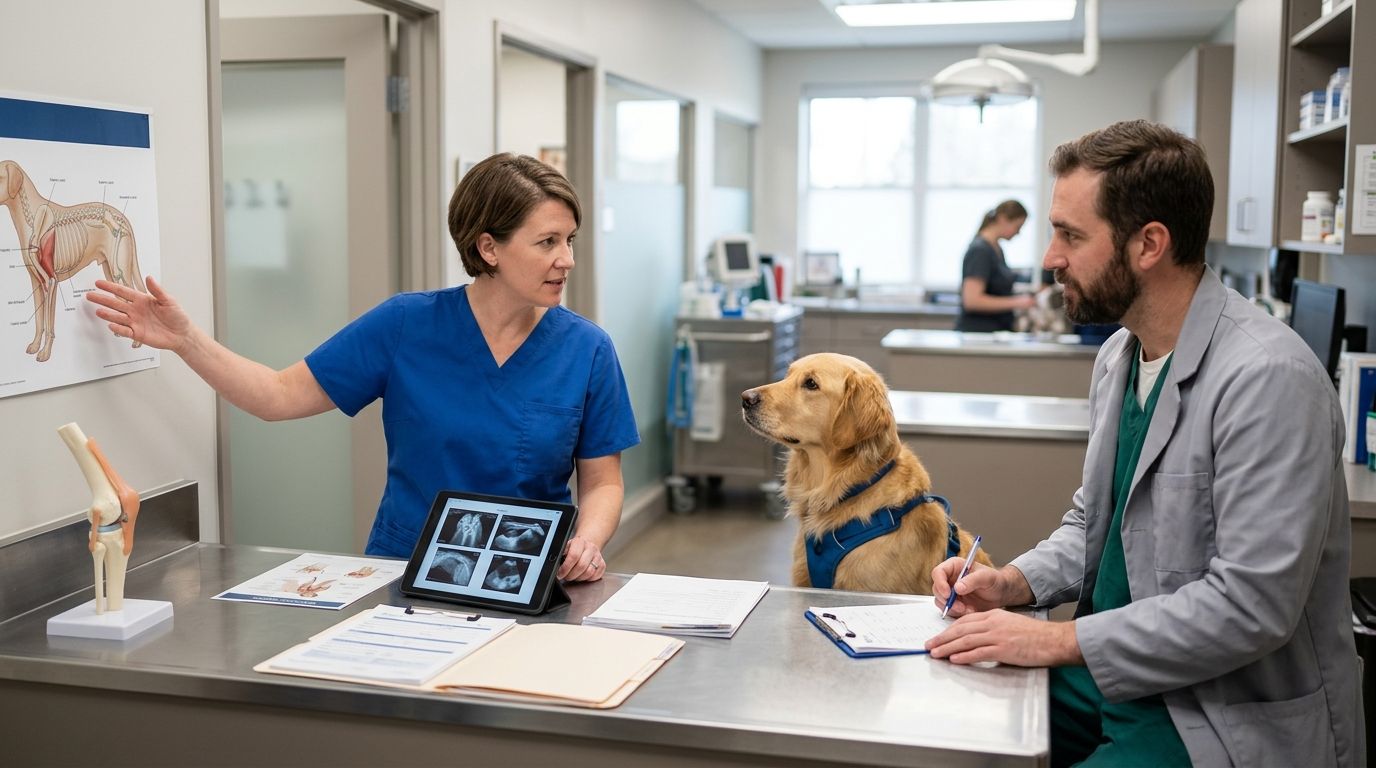
A general practice vet is trained to manage the vast majority of everyday problems: vaccinations, dental disease, skin infections, routine surgery. Some conditions need equipment, imaging or surgical skill that sits outside general practice - a torn cruciate ligament, an irregular heart rhythm, a mass that needs biopsy and staging, a corneal ulcer that isn't healing.
That's when your vet writes a referral. It isn't a sign something has gone wrong with your pet's care at Two by Two Veterinary Hospital - it's the system working the way it's meant to. The referring vet stays in the loop, the specialist does the specific job they're trained for, and your pet gets seen faster than if you booked directly and explained the whole history from scratch.
Misunderstanding this process is where owners lose time. Booking with the wrong specialist, forgetting to forward bloodwork or imaging, or waiting a week to ask for the referral letter all add days to a timeline that, in cases like suspected cancer or acute lameness, shouldn't have days to spare.
Before you start
Three things need to be in place before the referral moves smoothly:
- Recent diagnostics on file. Bloodwork, x-rays or ultrasound from the last 4-6 weeks saves the specialist from repeating tests your pet has already been through.
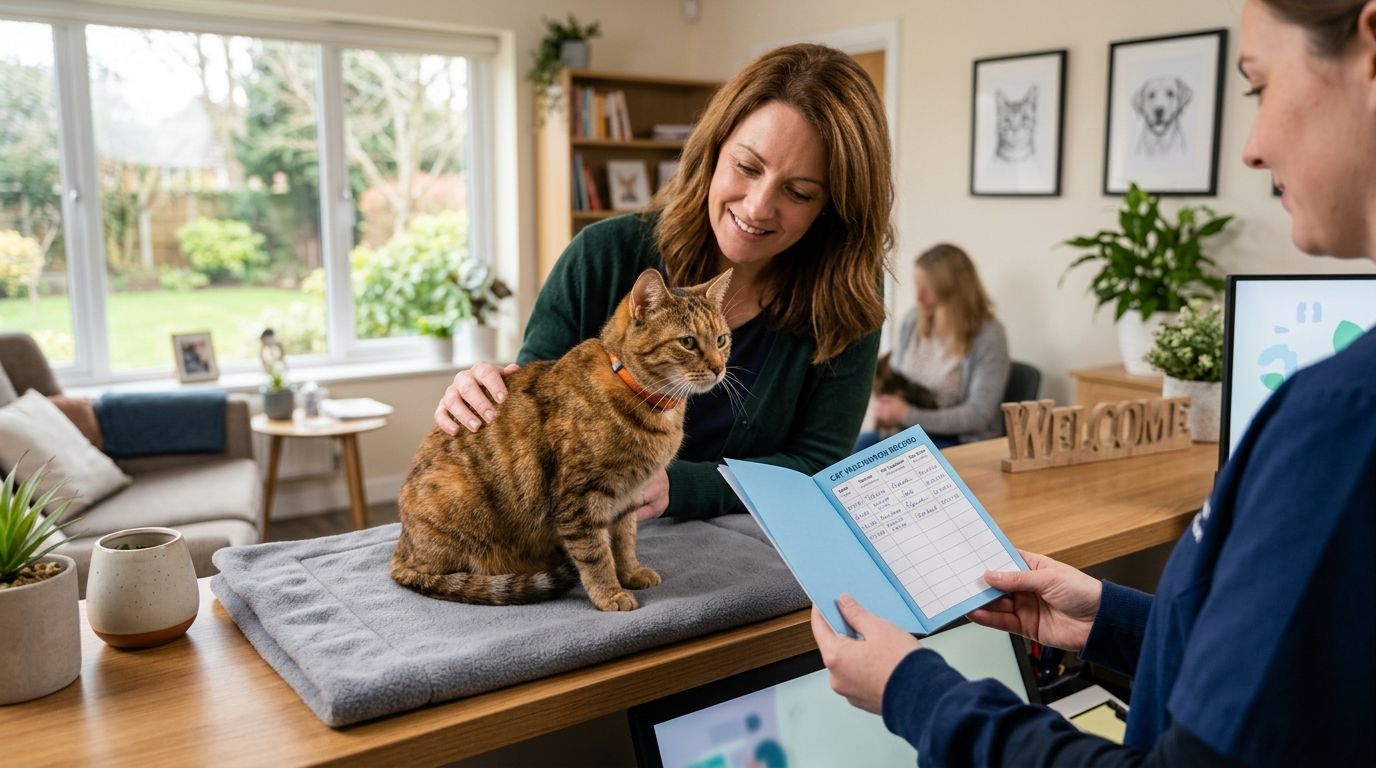
- Full vaccination and medication history. Specialist clinics ask for this at intake, and a gap slows the first appointment down.
- The gotcha that bites mid-setup: most Sydney specialist clinics require the referral letter to arrive before they'll book a consultation slot. A phone call alone doesn't hold your spot. If your vet says the letter is going out, confirm it has actually been sent before you ring the specialist, or you'll be told to call back.
Set up the referral
- Your vet examines your pet and reaches a working diagnosis, or a shortlist of possibilities that needs specialist confirmation.
- Ask directly: "Should this go to a specialist, and which type?" A good GP vet names the discipline - surgery, internal medicine, dermatology, oncology, cardiology, ophthalmology - not just "a specialist."
- Your vet compiles the referral letter: history, exam findings, current medications, and any imaging or lab results already on file.
- The letter goes directly to the specialist clinic by email or through a shared veterinary records system, with copies of relevant scans and reports attached.
- Expected result: you get the specialist clinic's contact details, and in most cases they call or email you within 24-48 hours to schedule.
Configure the appointment
- When the specialist clinic calls to arrange a consultation date, have your calendar open. Slots move fast.
- Confirm whether your pet needs to be fasted - standard for anything involving anaesthesia or abdominal ultrasound.
- Ask what to bring physically: previous x-ray films, a stool sample, or a written list of current medications with dosages.
- Confirm the estimated cost range with the specialist clinic directly. Referral letters don't carry pricing, and consultation fees vary clinic to clinic.
- Expected result: you arrive with your pet prepared, the specialist already briefed by the letter, and no repeat questions about history you've answered once.
Emergency referral: the faster path
Not every referral follows the 1-2 week routine timeline. If your vet identifies something acute - a bleeding mass, sudden collapse, a fracture needing surgical fixation, breathing distress - the process compresses dramatically.
- Your vet phones the specialist or emergency hospital directly instead of emailing a letter, giving a verbal handover while your pet is stabilised.
- Records and images are sent electronically while you're still in the car.
- Most emergency referrals are seen the same day, often within a few hours of that call.
Every Northern Beaches pet owner should know this version exists, because it's the one you'll want moving fast if you're ever in it. If you're unsure whether your situation is urgent enough to bypass the routine queue, ask your vet outright rather than guessing.
“If your vet says the referral letter is on its way, confirm it has landed before you call the specialist - a phone call alone rarely secures the appointment.”
Troubleshooting
- The specialist clinic says nothing arrived. Referral letters sit in unmonitored inboxes more often than anyone admits. Call your GP vet's front desk, ask them to resend, and get confirmation it's gone.
- Two weeks have passed with no callback. Follow up with the specialist clinic directly. Many triage by urgency, and yours may need a nudge if symptoms have changed since the letter was written.
- The specialist wants tests repeated. This usually means imaging or lab results weren't attached, not that your vet's work was wasted. Ask your clinic to resend the specific files.
- Your insurer is querying the specialist claim. Submit the claim with the referral letter attached from the start - specialist claims arriving without one get flagged.
- You're unsure it's the right discipline. Ask your vet to explain in one sentence why this specialist and not another. A clear answer takes under a minute.
Ask about a referral today
Book a check-up and get a clear answer on whether specialist care is needed.
Customise your workflow
The steps above cover the standard path. A few adjacent situations are worth planning for ahead of time rather than mid-crisis.
If your pet is heading into the age bracket where arthritis, heart murmurs and early kidney changes start showing up, the complete guide to vet health checks for senior pets explains what your vet screens for - the findings that most often trigger a 2026 referral.
If cost decides whether you accept a referral, learn how to submit a pet insurance claim without leaving the vet. Insurers process specialist claims faster when paperwork is lodged at the point of care rather than weeks later.
If your pet needs urgent attention that might run straight into an emergency referral, booking a same-day vet appointment on the Northern Beaches shows how that path works before you're in the middle of it.
And if you're switching clinics mid-referral, transferring your pet's medical records to a new vet clinic covers what has to move with you so nothing is lost between GP vet and specialist.
FAQ
What is a vet referral to a specialist?
A vet referral to a specialist is a written handover from your general practice vet to a veterinary specialist, covering exam findings, history and diagnostics. It lets the specialist move straight to targeted treatment instead of starting from scratch.
How long does a vet referral take in 2026?
Routine specialist referrals in 2026 typically get a response within 24-48 hours of the letter being sent, with the consultation booked 1-2 weeks out. Emergency referrals are usually seen the same day.
Do I need a referral to see a veterinary specialist in Australia?
Most veterinary specialist clinics in Australia require a referral letter from your regular vet before booking a consultation. It ensures the specialist has full history and avoids repeating diagnostics already done.
Can I choose which specialist my pet sees?
Yes, but your GP vet's recommendation carries weight because they know which clinics handle specific conditions well. Ask your vet to explain their choice if you want to compare options.
Does pet insurance cover specialist referrals?
Most Australian pet insurance policies cover specialist referral costs subject to policy terms, waiting periods and exclusions. Attach the referral letter to your claim to avoid processing delays.
What happens to my pet's records during a referral?
Your GP vet sends copies of relevant history, diagnostics and imaging to the specialist clinic while the originals stay with your regular vet. Nothing transfers permanently unless you change clinics.
Is an emergency referral different from a routine one?
Yes. Emergency referrals happen by direct phone handover between vets and are usually seen the same day, while routine referrals go by written letter and typically book 1-2 weeks ahead in 2026.
How much does a specialist vet visit cost in Australia?
Specialist consultation costs vary by clinic and by the diagnostics or procedures involved, so confirm an estimate with the specialist clinic before the appointment. Referral letters never include pricing.
One last thing
The biggest time-saver in the whole vet referral to specialist process isn't the letter. It's asking your vet, out loud, "what type of specialist, and how urgent is this?" the moment a referral is mentioned. Owners who ask that in the consult room consistently get seen sooner than those who wait for a follow-up call to sort it out.