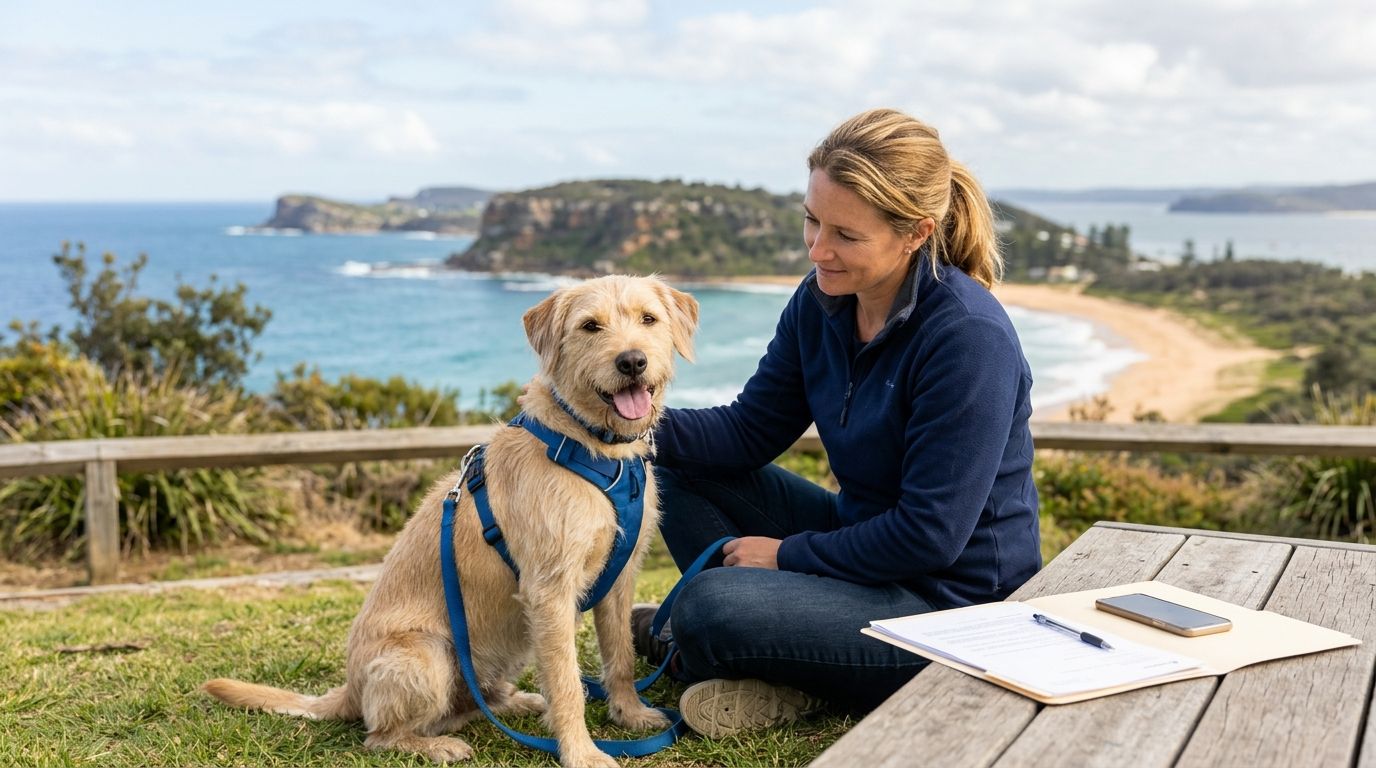
Chasing a council desexing rebate after your dog's surgery is how most owners lose it. Set the paperwork up before the appointment — microchip number confirmed, eligibility documents scanned, funding round checked — and the 2026 claim takes ten minutes on the Northern Beaches Council portal instead of three rounds of resubmissions.
- Check the Northern Beaches Council funding round is open in 2026 before you book desexing surgery.
- Councils only accept an itemised tax invoice from a registered vet showing your dog's microchip number.
- Desexed dogs pay a lower NSW lifetime registration fee than entire dogs under the Companion Animals Act 1998.
- Two by Two Veterinary Hospital in Balgowlah issues desexing invoices in the format council claims require.
- Update the NSW Pet Registry to desexed status after surgery — the rebate and the registry are separate steps.
Why this matters
A council desexing rebate is a partial reimbursement toward the cost of desexing your dog or cat. NSW councils, including Northern Beaches Council, run these schemes to lift local desexing rates and cut down on unwanted litters and roaming animals. Eligibility is usually tied to pensioner or concession card holders, and the funding is allocated in rounds rather than running all year.
The bigger saving sits underneath the rebate. Under the Companion Animals Act 1998, a desexed dog attracts a lower lifetime registration fee in NSW than an entire dog. Register your dog as entire and you pay the higher fee once, for life. The rebate is a one-off. The registration difference follows the dog forever.
There's a compliance layer too. NSW law requires dogs and cats to be microchipped by 12 weeks of age, or before they're sold or given away, whichever comes first — and registered on the NSW Pet Registry by six months of age. A council desexing rebate claim sits on top of both of those records, which is why the claim fails when the records don't match.
Before you start
Gate the whole process on these three things. Sorting them first is the difference between one submission and four.
- Microchip number and NSW Pet Registry record. Council rebate forms ask for the microchip number so the reviewer can match your dog to the registry. Get this in order via the NSW pet registration workflow before you book the surgery, not after.
- Eligibility documents scanned and ready. If the 2026 scheme is limited to concession or pensioner card holders, you'll need the card number and often a scan or photo of the card. Portals reject incomplete applications outright rather than emailing you for the missing field.
- The gotcha that bites mid-setup: council desexing rebates are funded in batches and close when that batch is exhausted, not on a neat calendar date. Confirm the current 2026 round is still open on the Northern Beaches Council website before you book surgery. An invoice dated after a round closes generally cannot be claimed against it, and you'll be waiting for the next cycle.
What council actually asks for
Every rejected claim traces back to one missing field. Here's what each document is doing in the application.
| Document | Why council asks for it | Where you get it |
|---|---|---|
| Itemised tax invoice | Proves the desexing was performed and paid for, by a registered practice | Your vet clinic, on the day of surgery |
| Microchip number | Matches the animal to the NSW Pet Registry record | Vet records or the NSW Pet Registry |
| Concession or pensioner card | Confirms eligibility where the 2026 scheme is means-tested | Services Australia card in your name |
| Proof of residence | Confirms the dog is registered inside the local government area | Rates notice, tenancy agreement or licence |
Best for: owners inside the Northern Beaches local government area who hold a concession card. If you're outside the LGA, apply to your own council — rebate rules do not transfer between councils.
Set up your desexing booking
- Confirm the 2026 rebate round is open, then call a registered veterinary clinic that performs desexing surgery. Two by Two Veterinary Hospital in Balgowlah handles dog and cat desexing for owners across Manly, Seaforth, Fairlight and the wider Northern Beaches.
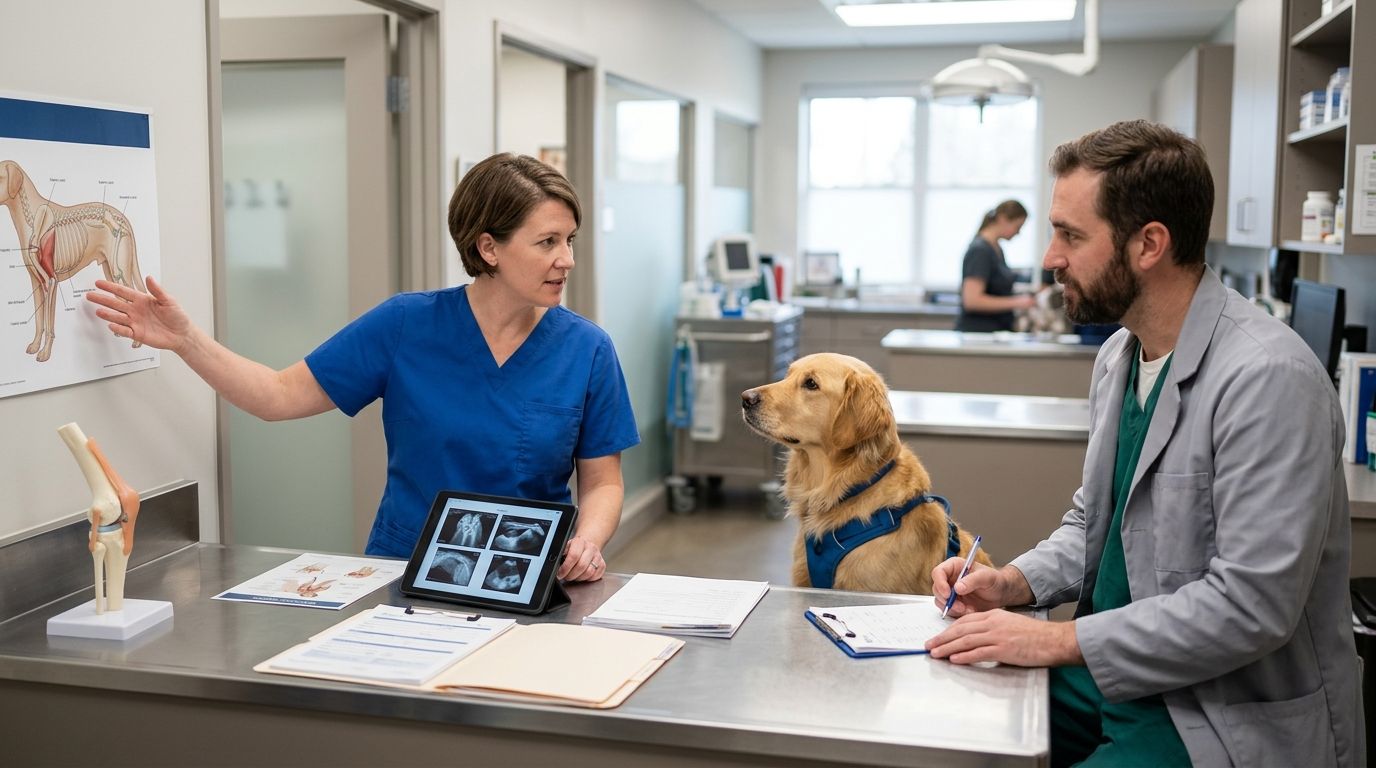
- Book the pre-surgery consult. Your vet checks weight, age, vaccination status and general health, and flags anything that would push the surgery date out.
- Confirm desexing timing for your dog's size and breed at that consult. Timing is a clinical decision, not a paperwork one, and it varies between a 4kg toy breed and a 40kg working breed.
- Ask the clinic, before surgery day, to include these five things on the invoice: your dog's name, the microchip number, the desexing procedure, the date of surgery, and the clinic's ABN.
Expected result: a confirmed surgery date and written certainty about what the invoice will contain. You should never be reading the invoice for the first time when you're already logged into the council portal.
Configure your rebate claim
- Log in to the Northern Beaches Council customer portal, or create an account if you don't have one. Do this while your dog is in recovery, not a month later.
- Find the companion animal or pet section and open the desexing rebate or subsidy application form.
- Enter your dog's microchip number exactly as it appears on the vet invoice and the NSW Pet Registry. A single transposed digit sends the claim back.
- Upload the itemised tax invoice as a PDF or a clear, uncropped photo. Screenshots of EFTPOS receipts are the most common rejection in 2026 — a receipt proves payment, not procedure.
- Attach your concession card or eligibility document if the scheme requires it. Blank eligibility fields are the second most common rejection.
- Submit, then save the reference number the portal returns.
Expected result: a portal status of submitted or under review, plus a confirmation email carrying your reference number. Keep that number until the rebate lands.
Update the NSW Pet Registry after surgery
This is the step owners skip, and it costs more than the rebate is worth.
- Log in to the NSW Pet Registry with the account linked to your dog's microchip.
- Open your dog's record and change the desexing status from entire to desexed.
- Upload or record the desexing certificate or invoice date as evidence.
- If your dog was already registered as entire, ask council about the fee position now that the status has changed.
Expected result: the registry shows your dog as desexed, which is the record every future council interaction reads from — impound release, registration transfer, change of address.
Book your dog's desexing consult
Invoices issued in the format council rebate claims require, first time.
Claiming the same rebate for a cat
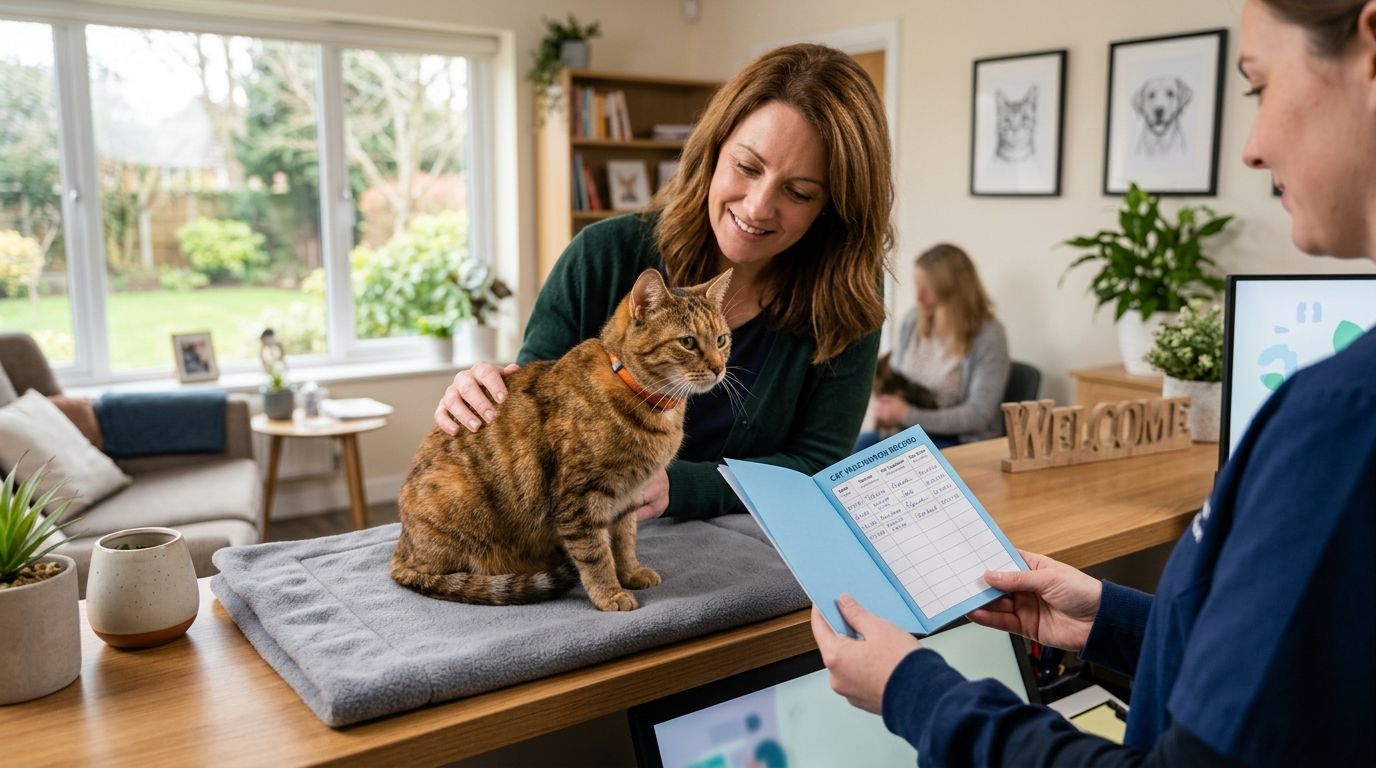
The workflow is identical with one change: check the cat category on the council form rather than assuming the dog form covers both. Northern Beaches Council typically runs dog and cat desexing rebates from the same funding pool but under separate application categories in 2026, so a cat submitted on a dog form gets bounced.
Everything else holds. Microchip by 12 weeks, itemised invoice with the chip number, eligibility document attached, registry status updated after surgery. Owners with an outdoor cat should treat desexing and parasite prevention as one appointment rather than two trips.
Troubleshooting
- Invoice is missing the microchip number. Ask the clinic to reissue it with the chip number added. Council reviewers cannot match the animal to the NSW Pet Registry without it, and they will not ring the vet on your behalf.
- Your dog was registered as entire before surgery. The council rebate and the NSW Pet Registry update are two separate actions. Doing the rebate does not change the registry, and the registry is what the lifetime fee is based on.
- The 2026 funding round has closed. Rounds close when the allocation is spent. Book the surgery anyway if your dog is due — delaying desexing for months to chase a rebate is the wrong trade — then reapply when the next round opens.
- Council asks for an exemption or breed document. Some working and show dogs carry exemptions under the Companion Animals Act 1998 that affect desexing requirements. Raise it with your vet at the consult so the paperwork exists before council asks.
- No decision after two weeks. Applications pile up immediately after a round opens. A status still reading under review past two weeks warrants a phone call to council with your reference number, not a second application — duplicates slow you down.
Customize your workflow
Timing is the one part of this you should not optimise around a rebate. Desexing age for a large breed is a growth-plate conversation; for a small breed it's a different conversation at a different weight. Have it with your vet, then fit the rebate round around the clinical answer.
If you're comparing where to have the surgery done, the rundown of Greencross Vets alternatives for dog desexing in Sydney sets out what differs between a corporate group and a family-run clinic on continuity of care and who actually calls you after surgery.
Prepare recovery before surgery day. A cone or recovery suit fitted in advance stops licking at the incision, and a licked incision is the one complication that can delay a follow-up desexing certificate — the document council sometimes asks for to close out a 2026 claim. Quiet room, non-slip bedding, lead-only toileting for the period your vet specifies.
Honest downside of the whole rebate process: it is administrative work for a one-off partial reimbursement, and if you don't hold a concession card you may not be eligible at all. The lifetime registration saving for a desexed dog applies regardless of rebate eligibility. That's the part worth protecting.
FAQ
What is the council desexing rebate for dogs in NSW?
It's a partial reimbursement some NSW councils offer toward the cost of desexing a dog or cat, usually for pensioner or concession card holders. Each council sets its own amount and eligibility rules, and they change between funding rounds.
How do I claim a Northern Beaches Council desexing rebate in 2026?
Confirm the funding round is open, book desexing with a registered vet, collect an itemised tax invoice showing your dog's microchip number, then submit it through the council customer portal under the companion animal rebate form.
Do I have to desex my dog before registering it in NSW?
No, but a desexed dog attracts a lower lifetime registration fee than an entire dog under the Companion Animals Act 1998. Registering before desexing locks in the higher entire-animal fee.
Can I claim the rebate after my dog is already desexed?
Some councils allow retrospective claims within a set window and others require the application before surgery. Check the current Northern Beaches Council terms before you book so you don't lose the claim on a technicality.
Does the desexing rebate cover cats as well as dogs?
Yes, council schemes generally cover both, but under separate application categories on the same portal. Submitting a cat on the dog form is a common reason claims get returned.
What paperwork does the vet need to provide?
An itemised tax invoice listing your dog's name, microchip number, the desexing procedure, the surgery date and the clinic's ABN. Council portals reject claims missing any of those fields.
What happens if the funding round is closed when I apply?
Your application won't be assessed until the next round opens. Go ahead with surgery if your dog is due and reapply on the next cycle rather than postponing a clinically needed procedure.
By what age must a dog be microchipped and registered in NSW?
Dogs and cats must be microchipped by 12 weeks of age or before being sold or given away, and registered on the NSW Pet Registry by six months of age.
One last thing
The rebate is the smaller number. The lifetime registration difference between a desexed and an entire dog runs for the animal's whole life on the NSW Pet Registry, and thousands of NSW owners pay the entire-dog fee simply because nobody updated the record after surgery. Do the surgery, update the registry the same week, submit the 2026 claim with the reference number saved. All three take less than an afternoon combined.