Large breed dog desexing is the same core procedure as for small dogs, but the timing, anesthesia dosing and recovery plan all shift because a 30kg-plus frame carries more orthopedic risk. Owners of Labradors, Great Danes, German Shepherds and other big dogs need a different playbook than the standard "desex at six months" advice most puppy owners hear.
- Dog desexing large breeds is generally best delayed to 12-18 months to let growth plates close and protect hip and knee joints.
- Large dogs need weight-adjusted anesthesia and pre-surgical bloodwork more strictly than small breeds because dosing errors carry bigger consequences.
- Cruciate ligament tears and hip dysplasia risk are the main reasons vets now recommend later desexing windows for big breeds.
- Recovery gear (cones, beds, crates) sized for a 10kg dog will not work for a 35kg dog and needs planning before surgery day.
- Twobytwovet in Balgowlah tailors desexing timing to breed and size rather than applying one blanket age to every dog.
Why this matters for large breed dogs
Small and medium dogs finish most of their skeletal growth by 8-10 months. Large and giant breeds — think Rottweilers, Bernese Mountain Dogs, Great Danes — can keep growing until 18-24 months. Desexing before the growth plates close removes the hormones that help seal them, and several veterinary studies on breeds like Labradors and Golden Retrievers have linked early desexing to higher rates of hip dysplasia and cranial cruciate ligament (CCL) rupture.
That's the specific problem this guide solves: large breed owners get generic puppy-vaccination-era advice that was never built around their dog's joint load. The right desexing plan for a Border Collie is not automatically the right plan for a Mastiff.
Update your desexing timeline first
Don't book the surgery on autopilot at six months just because that's what the puppy pack recommended. Ask your vet for a breed-specific plan.
- Confirm your dog's adult weight projection using breed standards, not current puppy weight
- Ask whether your vet follows delayed desexing protocols for breeds over 25kg
- Get an x-ray reference point if growth plate closure is in question
- Factor in whether your dog is working, sporting or a couch companion — activity level changes joint risk
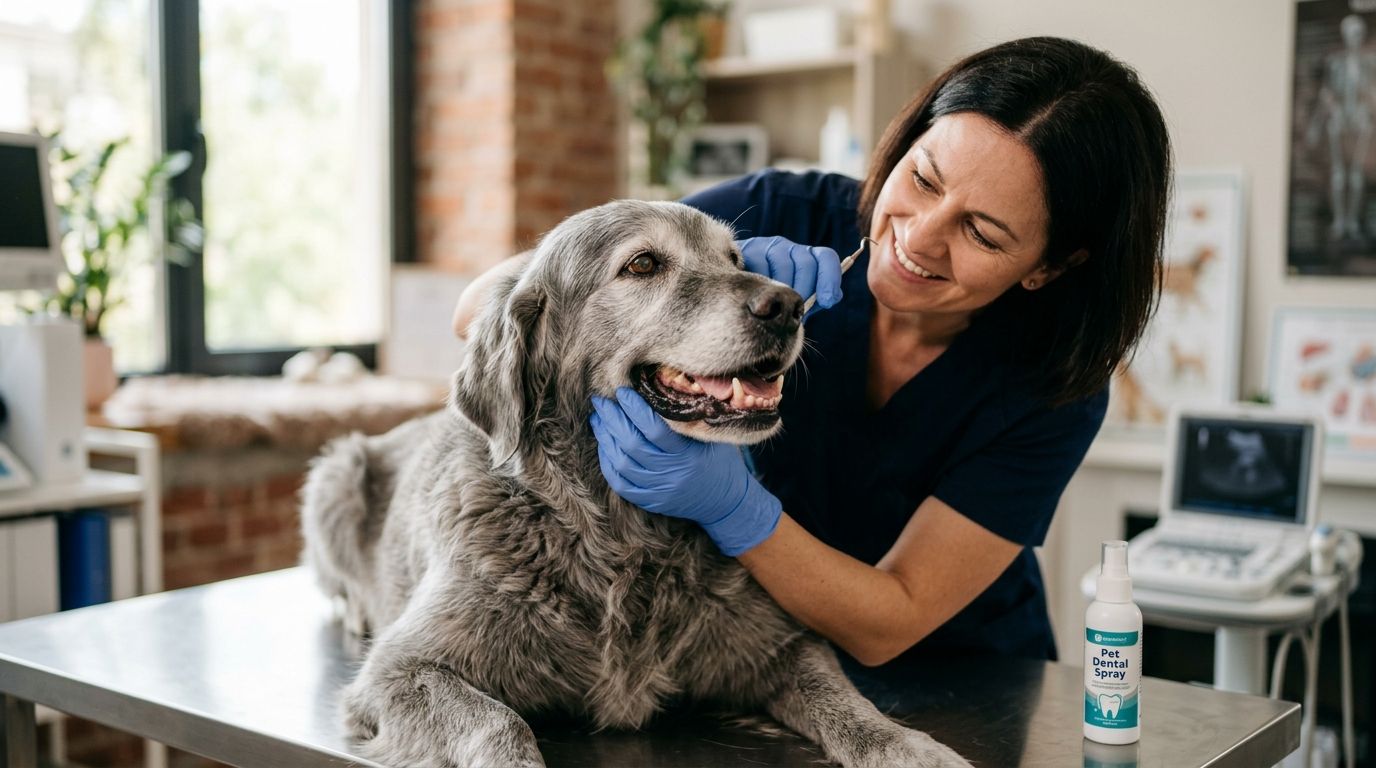
A greencross vets alternative for dog desexing in Sydney is worth researching if your current clinic still applies a one-size-fits-all age cutoff regardless of breed.
Choose a vet team experienced with large breed anesthesia
Anesthesia dosing for a 40kg dog isn't a bigger version of a 5kg dog's dose — body composition, drug metabolism and airway management all change.
- Ask what anesthesia protocol the clinic uses for dogs over 30kg specifically
- Confirm pre-anesthetic bloodwork is standard, not optional, for large breeds
- Ask about intubation and airway monitoring equipment sized for big dogs
- Check if IV fluid support runs throughout the procedure
This is where a clinic's actual surgical experience matters more than its marketing. Twobytwovet Veterinary Hospital runs desexing surgery for Northern Beaches dogs of all sizes with protocols adjusted for weight, not just age.
Prepare your dog's pre-surgery health check
A large breed dog carries more mass through every organ system, so baseline health checks catch problems small dogs might not show as early.
- Book bloodwork to check liver and kidney function before anesthesia
- Flag any joint stiffness, limping or reluctance to jump — early dysplasia signs
- Confirm vaccination status is current so recovery isn't complicated by a preventable illness
- Fast your dog per your vet's exact instructions the night before
Plan the recovery space and mobility restrictions
A 35kg dog cannot be lifted onto the couch the way a 6kg dog can, and that changes how you manage the first two weeks.
- Set up a ground-level recovery area — no stairs, no jumping onto beds
- Use ramps for cars if your dog normally jumps into the boot
- Block access to hardwood or tile floors where a heavy dog could slip post-op
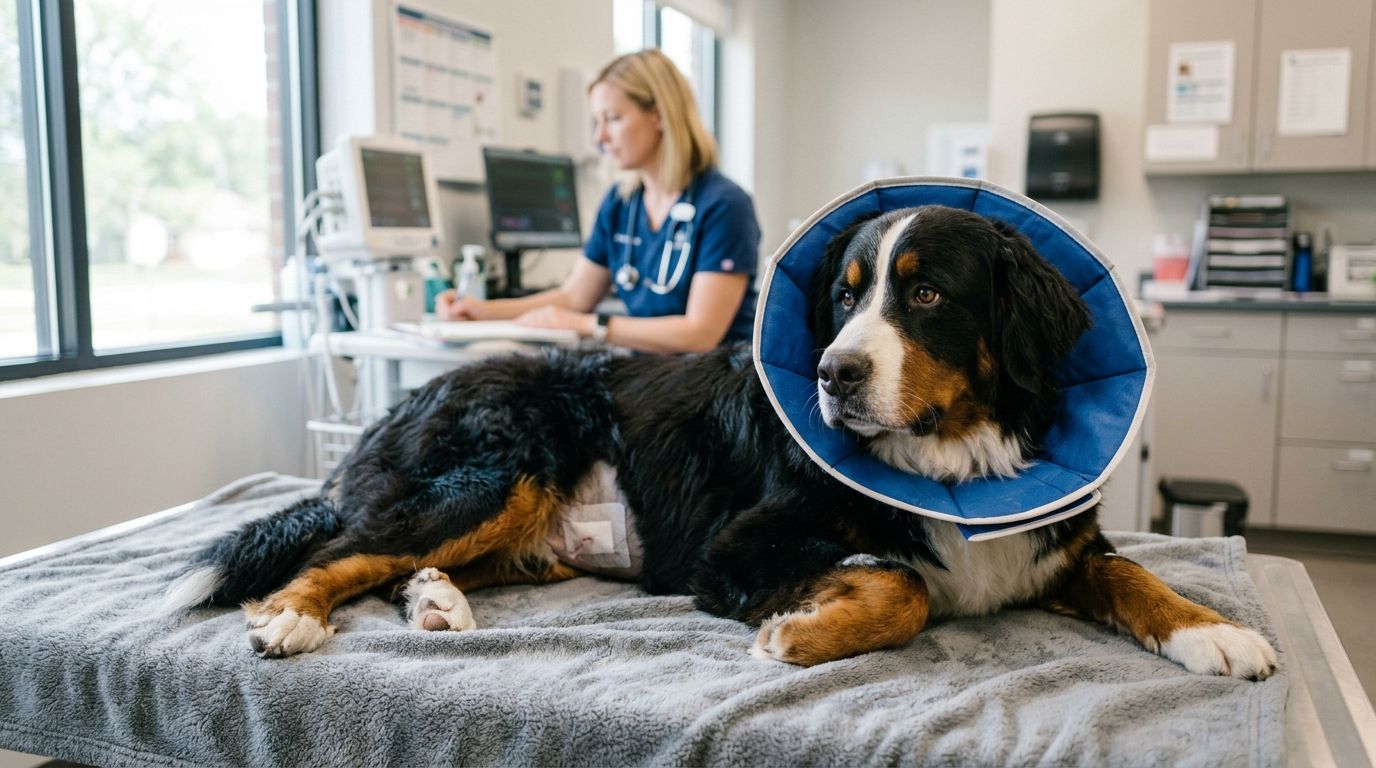
- Size the recovery cone or suit to your dog's actual body, not a generic "large" label
Check post-desexing recovery cones and suits sized for dogs built for bigger frames before surgery day, and look at dog beds designed for post-surgery recovery that support joints without requiring your dog to climb.
Manage post-op pain and swelling for a heavier frame
Larger incisions on larger dogs mean pain management needs closer tracking, not just a bigger pill.
- Follow the exact dosing schedule your vet prescribes — never estimate based on weight yourself
- Check the incision twice daily for swelling, discharge or heat
- Limit food for the first 12-24 hours per your vet's instructions to reduce nausea risk
- Keep other pets separated if there's any risk of rough play near the incision
Watch for large-breed-specific complications
Big dogs are more prone to seroma (fluid pockets) at the incision site simply because there's more tissue movement during normal daily activity.
- Call your vet if you notice a soft swelling near the incision that wasn't there on day one
- Watch for excessive licking — a large dog can undo sutures faster than a small one
- Monitor gait for any new limping, which can signal a joint flare-up unrelated to the surgery itself
- Report any lethargy lasting more than 48 hours
Resume exercise gradually
Most vets recommend 10-14 days of restricted activity for any desexing, but large breeds need a stricter ramp-up because their joints carry more force per stride.
- Keep walks on-lead and short for the first two weeks
- Delay running, jumping and off-lead play until your vet clears full activity
- Avoid stairs and furniture jumping for at least three weeks in giant breeds
- Reintroduce normal exercise in stages, not all at once
Book follow-up joint health monitoring
Desexing timing is one factor in long-term joint health, not the only one — ongoing monitoring matters for the life of a large breed dog.
- Schedule a post-op check at the 10-14 day mark to confirm healing
- Ask your vet about weight management, since large breeds carrying extra kilos put more load on joints already at higher dysplasia risk
- Discuss joint supplements once your dog is fully recovered — see joint supplements for older dogs for what's typically used preventatively in large breeds
- Keep annual health checks on the calendar even after recovery is complete
Comparing desexing options for large breed dogs
| Option | Best for | Key limitation |
|---|---|---|
| Traditional desexing (before 6 months) | Owners with no access to follow-up vet care or high litter-prevention urgency | Higher reported risk of joint issues in large breeds per veterinary studies on early desexing |
| Delayed desexing (12-18 months, breed-adjusted) | Most large and giant breed owners prioritizing joint health | Requires managing an intact adolescent dog for longer, including heat cycles in females |
| Ovary-sparing spay / vasectomy | Owners wanting hormone retention with pregnancy prevention | Doesn't remove reproductive organs, so pyometra or testicular disease risk isn't eliminated and needs ongoing monitoring |
Verdict: for most large breed dogs, delayed desexing between 12 and 18 months is the safer default in 2026 — talk to your vet about your specific breed's growth timeline before locking in a date.
Plan your large breed dog's desexing
Get a timing and anesthesia plan built around your dog's breed and weight.
Common mistakes large breed owners make
- Desexing on the default six-month schedule without checking whether their breed's growth plates are closed yet.
- Using small-dog recovery gear — a cone or bed made for a 8kg dog doesn't fit or support a 35kg dog properly.
- Skipping pre-anesthetic bloodwork to save time, when large breeds benefit most from catching liver or kidney issues before surgery.
- Letting dogs resume off-lead exercise too early, which is the single biggest cause of post-op complications in bigger dogs whose joints carry more force.
- Ignoring the cost planning side entirely — large breed surgery and follow-up care add up, and checking pet insurance for dogs in Australia before surgery, not after, avoids surprises.
FAQ
What age should large breed dogs be desexed?
Most large and giant breed dogs are best desexed between 12 and 18 months in 2026, once growth plates have closed. This differs from the 6-month standard often recommended for small breeds.
Is desexing large breed dogs different from small breeds?
Yes — large breed desexing typically happens later, uses weight-adjusted anesthesia protocols, and carries a closer focus on joint health monitoring afterward. The surgical procedure itself is the same.
Does desexing large breed dogs affect joint health?
Desexing before growth plates close has been linked in veterinary research to higher rates of hip dysplasia and cruciate ligament injury in breeds like Labradors and Golden Retrievers. Delaying surgery until 12-18 months reduces that risk.
How much does dog desexing cost for large breeds in Australia in 2026?
Cost varies by clinic, dog size and any additional pre-surgical bloodwork required, so check current pricing directly with your vet. Larger dogs generally require more anesthesia and surgical time than small breeds, which affects the overall cost.
What breeds count as large breed for desexing timing?
Dogs expected to reach over 25kg as adults — Labradors, German Shepherds, Rottweilers, Great Danes and similar breeds — fall into the large or giant breed category for delayed desexing recommendations.
Can large breed dogs be desexed after 12 months?
Yes, desexing after 12 months is common and often preferred for large breeds specifically to protect joint development. Vets can desex a dog at any age, adjusting anesthesia and surgical approach as needed.
What is the recovery time for large breed dog desexing?
Most large breed dogs need 10-14 days of restricted activity, with stricter limits on jumping and stairs for the first three weeks. Full activity clearance depends on your vet's assessment of the incision and your dog's mobility.
Is pet insurance worth it for large breed dog surgery?
Pet insurance can offset unexpected costs tied to large breed joint issues that sometimes follow desexing timing decisions, though coverage details vary by provider. Compare policies before your dog's surgery date rather than after a claim is needed.
One last thing
The growth-plate detail surprises most large breed owners: it's not really about age at all, it's about whether the plates have sealed, and that can vary by a few months even within the same breed depending on individual growth rate. If your vet can't tell you where your dog sits on that timeline, ask for an x-ray check before committing to a surgery date in 2026 — it's a five-minute conversation that changes the whole plan.