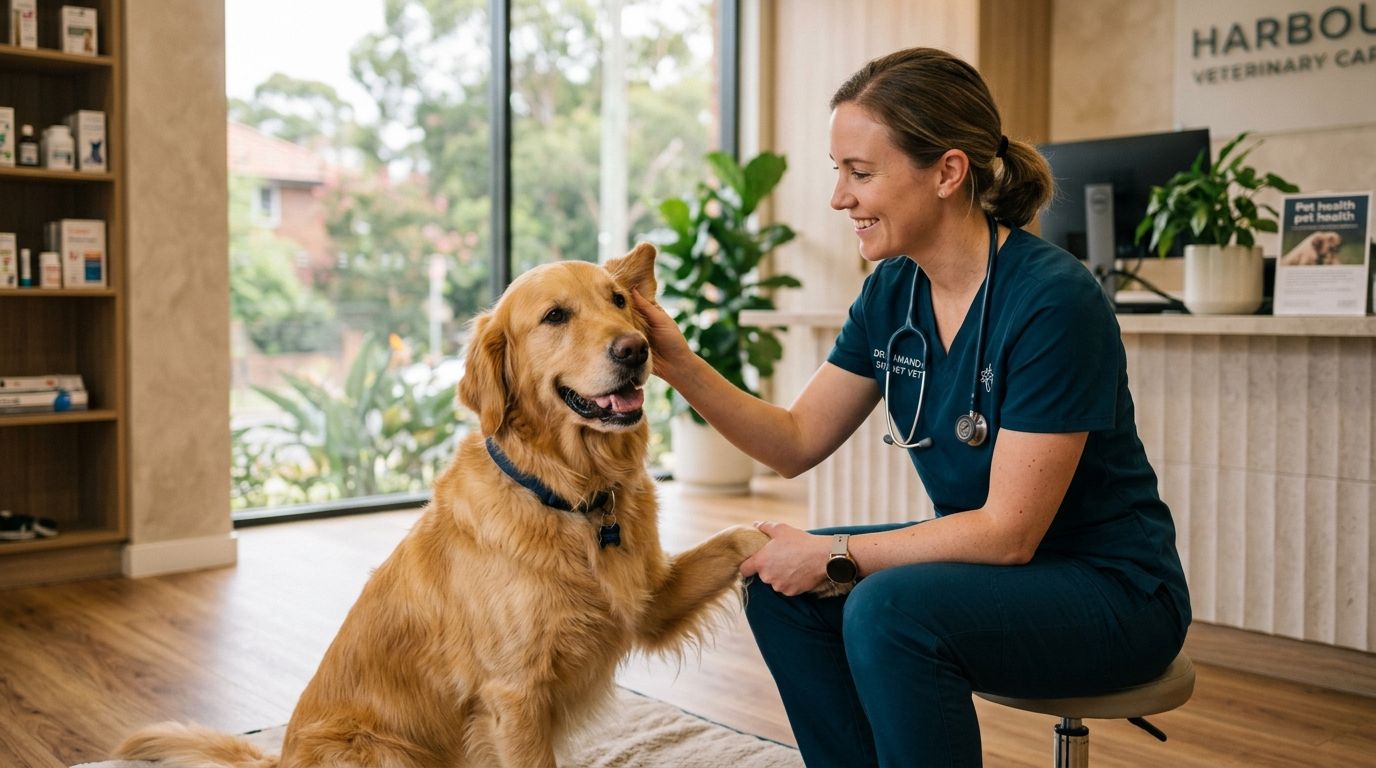
If you're comparing Greencross Vets against other options for your dog's desexing surgery in Sydney, the choice usually comes down to three things: how many locations you need, whether you'll see the same vet before and after surgery, and how much the surgery will cost you in time as well as money. Greencross Vets earns its size — dozens of clinics across Sydney mean you can usually get an appointment close to home or work. The ceiling shows up after the surgery: rostered vets rotate through corporate clinics, so the vet who did the pre-op check often isn't the one doing the follow-up. The best Greencross Vets alternative for dog desexing in Sydney in 2026 is Two by Two Veterinary Hospital if you want the same vet team from consult to recovery on the Northern Beaches, RSPCA NSW's desexing program if budget is the deciding factor, and the University of Sydney's teaching hospital if your dog has a complex health issue that needs specialist surgical input.
- Two by Two Veterinary Hospital is the top Greencross Vets alternative for dog desexing if continuity of care with the same vet team matters to you.
- Greencross Vets still wins on raw number of Sydney locations if flexibility across suburbs is your priority.
- RSPCA NSW's desexing program suits budget-conscious owners but comes with less flexible booking than a private clinic.
- University of Sydney's teaching hospital is the right call for dogs with complex or high-risk health conditions.
- None of these are wrong choices in 2026 — the right one depends on whether you value continuity, cost, or specialist access most.
Why this matters
Dog desexing is routine surgery, but routine doesn't mean interchangeable. Your dog is anaesthetised, opened up, and sent home to recover — and the vet who examines your dog before surgery ideally should be the one checking the wound a week later.
At a big corporate network like Two by Two Veterinary Hospital alternative Greencross Vets, staffing rotates across multiple clinics, so continuity isn't guaranteed. At a family-run practice, it usually is. That difference matters most for anxious dogs, older dogs with other health conditions, or owners who simply want to talk to the same person twice.
At a glance: Greencross Vets alternatives for dog desexing
| Clinic / Program | Best for | Standout feature | How it differs from Greencross Vets |
|---|---|---|---|
| Two by Two Veterinary Hospital | Continuity of care on the Northern Beaches | Same vet team pre- and post-op | Single family-run clinic vs multi-site corporate network |
| Greencross Vets | Convenience across Sydney suburbs | Large network of clinics with standardised protocols | Baseline for comparison |
| RSPCA NSW desexing program | Budget-conscious pet owners | Charity-run, community-focused service | Non-profit model vs private corporate chain |
| University of Sydney Veterinary Teaching Hospital | Complex or high-risk desexing cases | Specialist surgeons supervising surgery | Teaching hospital vs commercial vet chain |
1. Two by Two Veterinary Hospital: best for continuity of care
Two by Two Veterinary Hospital is a family-run clinic based in Balgowlah, serving dog and cat owners across Sydney's Northern Beaches. Desexing here means the vet who does your dog's pre-surgery health check is generally the same vet performing and reviewing the procedure, which matters a lot if your dog gets stressed at the vet or has a health history worth knowing in detail.
Where Two by Two shines:
- Same small team across the consult, surgery, and follow-up visit
- Local to Balgowlah and the wider Northern Beaches, so no cross-city travel for a nervous dog
- Plain-language explanations of the procedure and recovery, not clinical jargon
Where Two by Two falls short:
- One location only — if you live in Sydney's south or west, the drive isn't practical
- Smaller team than a corporate chain, so appointment slots can fill up faster during busy periods
Best for: Northern Beaches dog owners who want the same vet team throughout the desexing process.
| Dimension | Two by Two Veterinary Hospital | Greencross Vets |
|---|---|---|
| Number of locations | One (Balgowlah) | Dozens across Sydney |
| Continuity of vet | Same team pre- and post-op | Varies by rostered vet |
| Local feel | Northern Beaches, community-focused | Corporate network |
| Follow-up style | Personal, same-clinic check-ins | Standardised protocol across sites |
2. Greencross Vets: best for multi-location convenience
Greencross Vets operates one of Australia's largest networks of veterinary clinics, with multiple sites across greater Sydney. That scale is the real reason people default to it — you can find a clinic close to home almost anywhere in the city, and standardised protocols mean consistent procedures across sites.
The trade-off shows up in continuity. Rostered vets move between clinics or shifts, so the face your dog sees at the pre-op check isn't guaranteed to be the one doing the follow-up exam. For a straightforward, low-anxiety dog that's rarely a problem. For a nervous dog, or an owner who wants one relationship with one vet, it can wear thin.
Best for: Owners who need a clinic within easy reach no matter which Sydney suburb they're in.
3. RSPCA NSW desexing program: best for budget-conscious owners
RSPCA NSW runs desexing services aimed at making the surgery accessible to pet owners who might otherwise delay it. It's a genuine option worth knowing about if cost is the main barrier to getting your dog desexed in 2026.
Where it shines:
- Charity-run model built around access, not profit
- A legitimate path for owners managing a tight budget
Where it falls short:
- Booking flexibility and appointment availability are generally more limited than a private clinic
- Less scope for a long-term ongoing relationship with one vet across your dog's life
Best for: Dog owners for whom cost is the single deciding factor in choosing a desexing provider.
4. University of Sydney Veterinary Teaching Hospital: best for complex cases
The University of Sydney's teaching hospital gives dogs access to specialist-level surgical supervision, which matters if your dog has an underlying condition — a heart murmur, a bleeding disorder, or a prior surgical complication — that makes routine desexing riskier than usual.
Where it shines:
- Specialist surgeons oversee procedures, useful for higher-risk cases
- Access to referral-level expertise not typical of a general practice clinic
Where it falls short:
- It's a teaching environment, so the pace and process differ from a standard private clinic visit
- Better suited to complex referrals than a straightforward, healthy young dog's desexing
Best for: Dogs with a health condition that makes standard desexing surgery higher-risk.
“Choose the vet who'll still recognise your dog by name at the follow-up appointment.”
Why people switch from Greencross Vets
- Wanting one vet, not a rotating roster — owners who've had a different vet at the pre-op check and the follow-up often look for a smaller clinic next time.
- Preferring a local, family-run practice — some owners simply want a clinic that knows their dog and their street, not just their file number.
- Avoiding travel across Sydney — Northern Beaches residents in particular often find it easier to stick with a local clinic than drive to a Greencross Vets site further out.
When staying with Greencross Vets is the right call
If you already have an established relationship with a specific Greencross Vets clinic and vet, or you need the flexibility of multiple locations because you split time between suburbs, staying put makes sense. Switching only pays off if continuity, locality, or a specific health condition is genuinely driving the decision — not just because a comparison article told you to.
Book your dog's desexing consult
Talk to the same vet team from pre-op check through recovery.
Most Sydney vets, including teaching hospitals, generally recommend desexing dogs somewhere between 4 and 6 months of age, though larger breeds sometimes benefit from waiting closer to 12 months to support joint development — a conversation worth having at the pre-op check regardless of which clinic you choose. Post-surgery, comfort matters as much as the procedure itself: a properly fitted recovery cone or suit stops your dog from licking the wound, and a supportive recovery bed makes the first few days of restricted activity a lot easier on both of you.
FAQ
What's the best Greencross Vets alternative for dog desexing in Sydney?
Two by Two Veterinary Hospital is the strongest alternative if you want the same vet team handling the pre-op check, surgery, and follow-up on the Northern Beaches. For budget-driven decisions, RSPCA NSW's desexing program is worth checking; for complex health cases, the University of Sydney's teaching hospital offers specialist supervision.
Is a family-run vet clinic better than Greencross Vets for desexing?
It depends what you're optimising for. A family-run clinic like Two by Two Veterinary Hospital usually offers more continuity with one vet team, while Greencross Vets offers more locations across Sydney.
How much does dog desexing cost in Sydney in 2026?
Costs vary by clinic, dog size, and whether extras like bloodwork or pain management are included, so it's worth asking each clinic for a current quote rather than relying on a fixed figure.
At what age should I get my dog desexed?
Most vets recommend desexing between 4 and 6 months of age, though larger breed dogs may benefit from waiting until closer to 12 months to support joint development. Discuss timing at your pre-op consult.
Does RSPCA NSW desex dogs in Sydney?
Yes, RSPCA NSW runs desexing services aimed at making the surgery more accessible for pet owners on a tight budget, though appointment availability tends to be more limited than a private clinic.
Is the University of Sydney teaching hospital good for routine desexing?
It's better suited to dogs with complex or high-risk health conditions needing specialist surgical supervision than to a straightforward, healthy young dog's routine desexing.
What should I ask a vet before booking my dog's desexing surgery?
Ask whether the same vet handles the pre-op check, the surgery, and the follow-up visit, and what pain management and recovery support (cones, suits, activity restrictions) are included.
One last thing
The detail most owners overlook when comparing clinics: ask whether the vet doing the pre-op check is the one actually performing the surgery. At a large network, that's not guaranteed; at a smaller clinic, it usually is — and it's the single biggest factor in how smooth the whole process feels for a nervous dog.