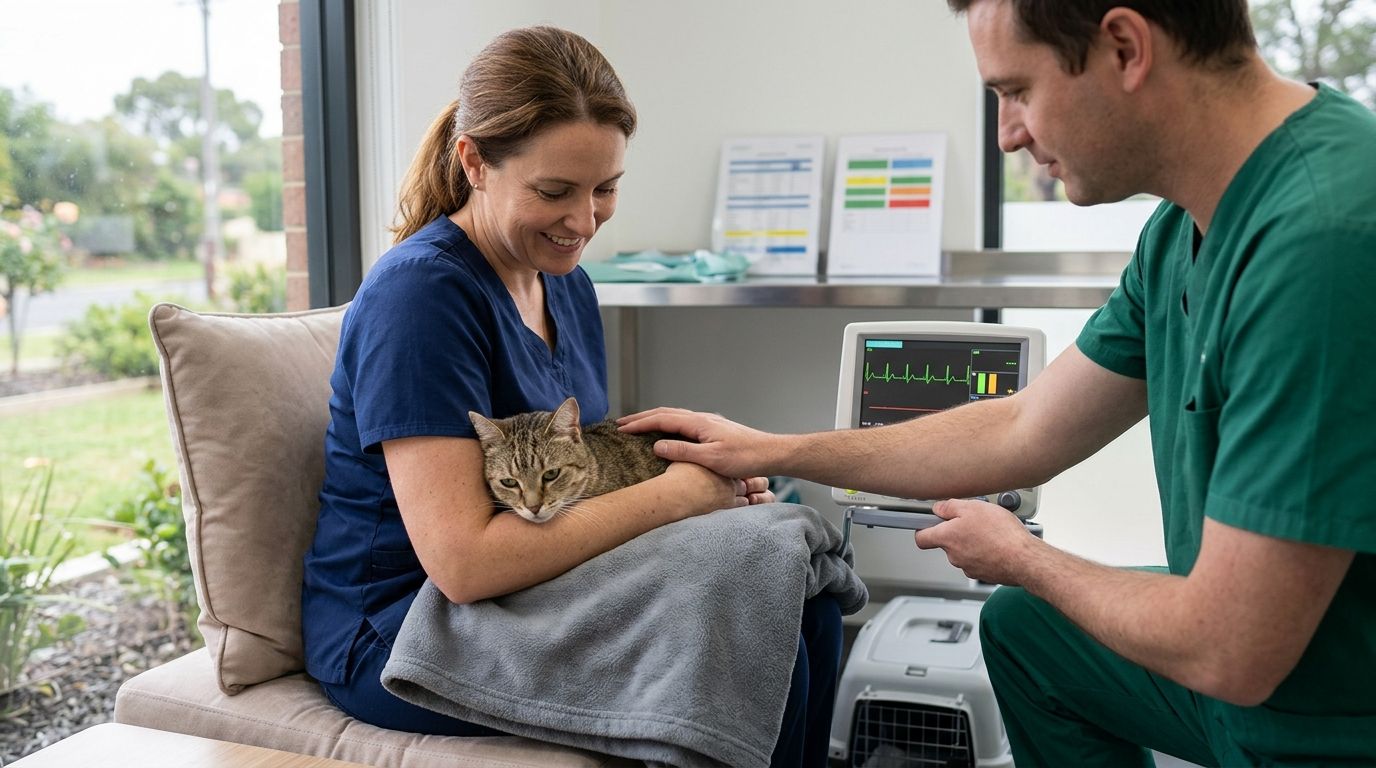
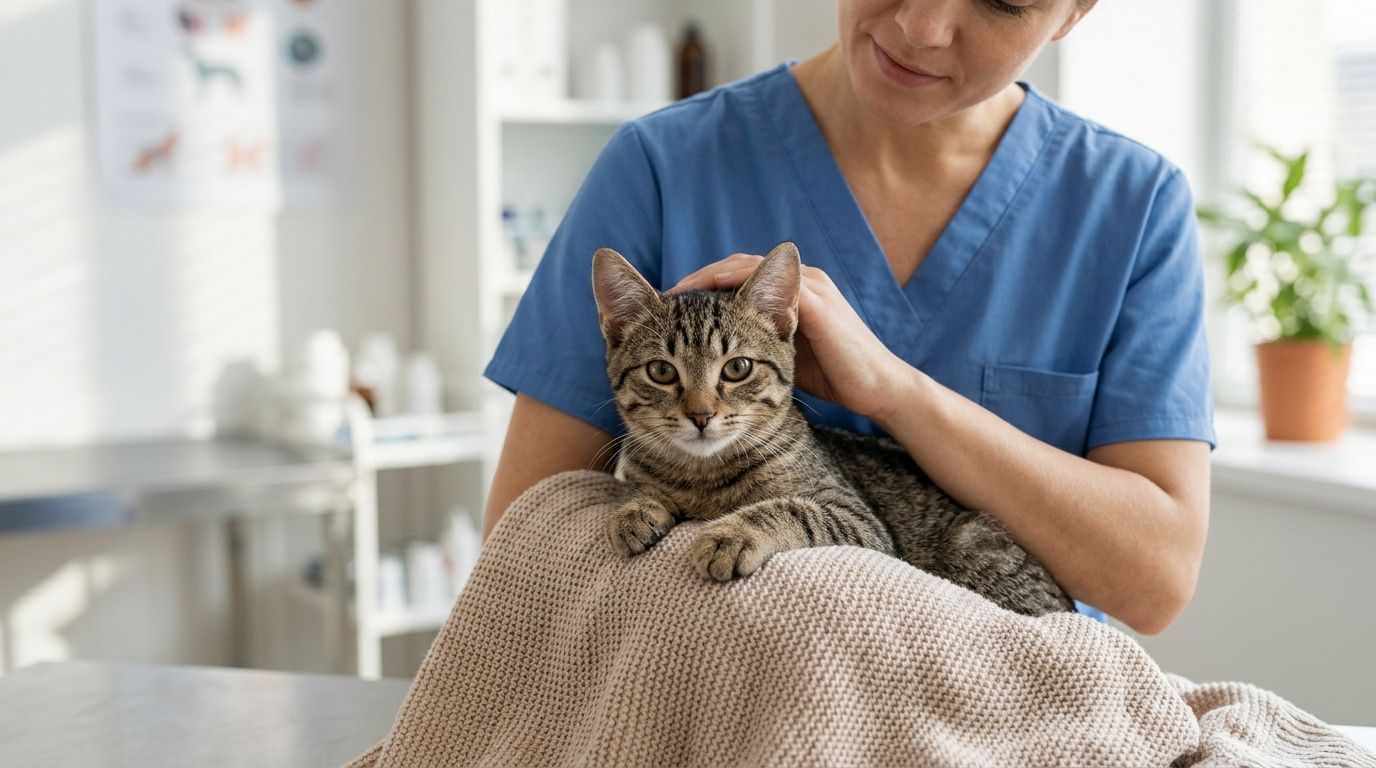
The ideal age to desex a cat is 4 months, with a safe window running from as early as 8 weeks through to 6 months depending on the kitten's health, size and living situation in 2026. The hidden catch: cats can reach puberty from around 4 months old, so waiting for the traditional 6-month appointment can mean an unplanned pregnancy before the surgery date ever arrives.
- The recommended age to desex a cat is 4 months, with a safe window of 8 weeks to 6 months in 2026.
- Cats can reach puberty from about 4 months, so delaying past 6 months risks an unplanned litter.
- Early-age desexing (8 to 12 weeks) is standard for shelter and rescue kittens, not just owned pets.
- Weight and health at the appointment matter more than the exact age on the calendar.
- Two by Two Veterinary Hospital in Balgowlah confirms the right date after a pre-surgery check.
Why this matters
Getting the timing right on desexing does more than stop kittens you weren't planning for. It cuts the risk of certain reproductive cancers, reduces roaming and territorial fighting in male cats, and stops the yowling and spraying that comes with heat cycles and mating behaviour. Kittens that go through kitten vaccinations for first-time cat owners are usually already on the vet's radar by the time desexing comes up, which makes it easy to bundle the conversation into a routine visit.
Getting the age wrong in either direction causes real problems. Too early and a very small or unwell kitten carries more anaesthetic risk; too late and you're gambling against a cat that can fall pregnant or start spraying well before the traditional 6-month mark. Vets in 2026 weigh the kitten in front of them, not just the date on the vaccination card.
What age should I desex my cat?
There isn't one single correct age for every cat — there's a recommended window, and where your cat sits in it depends on weight, health and whether they came from a breeder, shelter or rescue program. Here's how the three common approaches compare.
| Approach | Age | Best for | Verdict |
|---|---|---|---|
| Early-age desexing | 8 to 12 weeks | Shelter and rescue kittens, multi-cat households | Recommended once the kitten clears a health check |
| Standard desexing | 4 to 6 months | Most healthy, owned kittens | Recommended for typical single-kitten homes |
| Later desexing | 6 months and older | Cats with a health issue delaying surgery | Only on vet advice — don't delay without a reason |
The quotable verdict: most healthy, owned kittens should be desexed at 4 months, and there's rarely a good reason to push it past 6.
Early-age desexing (8 to 12 weeks)
Shelters and rescue groups routinely desex kittens as young as 8 weeks before rehoming, and it's been standard veterinary practice for decades once a kitten is healthy and at a safe surgical weight. The surgery itself is the same procedure done at an older age — the difference is a smaller patient and a shorter recovery.
Best for: rescue and shelter kittens, and multi-cat households trying to avoid an accidental litter before the standard 4-month appointment. Verdict: recommended, once a vet confirms the kitten is healthy and heavy enough.
Standard desexing (4 to 6 months)
This is where most owned kittens land, and for good reason — 4 months lines up with the tail end of the kitten vaccination series and comes just before puberty typically sets in. Booking the surgery here means the procedure and the final vaccination visit can often happen close together, cutting down on separate trips.
Cats allowed outside before this appointment need consistent parasite cover in the meantime — see flea and tick prevention products for cats in Australia if your kitten already has outdoor access. Best for: typical single-kitten households. Verdict: recommended for most healthy kittens.
Later desexing (6 months and older)
Past 6 months, the calculus changes. Male cats that aren't desexed by this point are more likely to start spraying and roaming, and female cats can already be cycling into heat. Vets will still do the surgery at any age, but there's no upside to delaying it without a medical reason.
Best for: cats with a health condition that needs to be stabilised before anaesthesia. Verdict: only if a vet has advised waiting — don't delay for convenience.
Why the right age varies
No two kittens hit the desexing window on exactly the same schedule. The date your vet settles on depends on:
- Weight at the appointment — anaesthetic dosing is based on kilograms, not the calendar, so a small-for-age kitten may need a short extra wait
- Breed and body size — larger or slower-growing breeds sometimes need a few extra weeks to reach a safe surgical weight
- Sex of the cat — male cats often start spraying and roaming earlier than females reach their first heat, which pushes some owners to book males slightly sooner
- Indoor vs outdoor lifestyle — outdoor cats face earlier pregnancy and fighting risk, which is an argument for staying at the earlier end of the 4-to-6-month window
- Where the kitten came from — shelter and rescue kittens often arrive already desexed under an early-age program, while kittens from a breeder usually start the conversation fresh at their first vet visit
- General health at the time — a kitten fighting off an infection or recovering from illness will have surgery pushed back until they're clear
Is it too late to desex an older cat?
It's not too late to desex an older cat — vets can safely perform the surgery well into adulthood, though a more thorough pre-anaesthetic health check is standard for senior cats. The health and behavioural benefits of desexing still apply even outside the ideal 4-to-6-month window.
Does desexing age affect recovery time?
Desexing age does affect recovery in a modest way: younger kittens are usually smaller and tend to bounce back quickly, often settled within a day or two, while older cats may need closer monitoring after the anaesthetic. Either way, most cats are back to normal within about a week.
Can indoor cats wait longer to be desexed?
Indoor cats can't safely wait much longer than the standard 4-to-6-month window, even though their pregnancy risk is lower day to day. Escapes happen, and hormonal behaviours like spraying and yowling can start on schedule regardless of whether the cat goes outside.
Two by Two Veterinary Hospital in Balgowlah checks weight and general health before locking in a desexing date, so the age on paper matters less than what the vet sees at the appointment. If your kitten is showing signs of anxiety around vet visits generally, the anti-anxiety products for cats during vet visits guide covers options worth trying before the surgery day.
Book a desexing check for your cat
Get a weight and health assessment before confirming the surgery date.
FAQ
What age is best to desex a cat?
4 months is the recommended age to desex a cat, within a safe window of 8 weeks to 6 months in 2026. Vets confirm the exact date after checking the kitten's weight and health at a check-up.
Can I desex an 8 week old kitten?
Yes, early-age desexing at 8 to 12 weeks is standard practice for shelter and rescue kittens once they're healthy and at a safe surgical weight. Owned kittens usually wait until 4 to 6 months unless a rescue organisation requires earlier surgery.
What happens if I wait too long to desex my cat?
Waiting past 6 months risks an unplanned pregnancy because cats can reach puberty as early as 4 months. Male cats that aren't desexed by this age are also more likely to start spraying and roaming.
Is desexing a female cat different from desexing a male cat?
Desexing a female cat (spaying) is a more involved abdominal procedure than desexing a male cat (castration), though both are routine day surgeries. The recommended age of around 4 months applies to both sexes.
Does my cat's breed affect the right desexing age?
Breed mostly affects desexing age through body size, since larger or slower-growing breeds may need a few extra weeks to reach a safe surgical weight. Vets check weight, not just age, at the pre-surgery assessment.
Is it safe to desex a cat older than 1 year?
Yes, desexing a cat older than 1 year is safe and still reduces the risk of unwanted litters, spraying and certain reproductive health issues. Vets run a more thorough pre-anaesthetic check on older cats before the surgery.
Do indoor-only cats still need to be desexed by 6 months?
Yes, indoor-only cats still need to be desexed by around 6 months because escapes happen and hormonal behaviours like spraying can start regardless of lifestyle.
One last thing
Left undesexed, a single female cat and her descendants can produce far more kittens over a few breeding seasons than most owners expect — one reason rescue groups lean on early-age desexing at 8 to 12 weeks rather than waiting for the old 6-month rule of thumb. If your kitten is due for their vaccination series, that's the natural point to ask your vet to pencil in the desexing conversation for 2026 rather than treating it as a separate decision later.