Dog desexing costs about $350 on average across Australia in 2026, with prices ranging from $200 for a small breed male neuter at a standard clinic to $600 or more for a large breed female spay at a full-service veterinary hospital. The base fee rarely covers everything a dog needs on surgery day, so pre-anaesthetic bloodwork, pain relief medication and a recovery cone or suit often get added to the invoice separately.
- Dog desexing cost in Australia runs $200 to $600 in 2026, averaging around $350 at a standard clinic.
- Spaying a female dog costs more than neutering a male because the surgery is more invasive.
- Large breed dogs cost more to desex than small breeds due to longer surgery and anaesthesia time.
- Council desexing subsidies and rebate programs can lower the out-of-pocket cost for eligible owners.
- Two by Two Veterinary Hospital in Balgowlah performs dog desexing surgery for Northern Beaches pet owners.
Why this matters
A quote of $300 from one clinic and $550 from another for the same procedure isn't a scam. It reflects real differences in what's included: pre-anaesthetic bloodwork, the pain relief protocol used, and whether a recovery cone or suit is bundled in all shift the final number.
Size and sex are the two biggest cost drivers in dog desexing cost Australia quotes for 2026. A small breed dog generally desexes faster and cheaper than a large breed dog, and a female spay costs more than a male neuter across every size category. Knowing where your dog sits on both scales gets you closer to an accurate quote before you start calling around.
A phone quote is also only ever an estimate. Most clinics need to weigh the dog and run a quick physical exam before confirming the final price, because a 28kg "medium" dog and a 45kg "medium" dog on the same breed chart don't cost the same to anaesthetise.
How much does dog desexing cost in Australia?
Cost splits mainly by size and sex. Here's the typical spread at a standard Australian veterinary clinic in 2026:
| Dog size & sex | Typical cost (2026) |
|---|---|
| Small breed male | $200\u2013$300 |
| Small breed female | $250\u2013$350 |
| Medium breed male | $280\u2013$400 |
| Medium breed female | $320\u2013$450 |
| Large breed male | $350\u2013$500 |
| Large breed female | $400\u2013$600 |
These figures cover the surgery itself. Extras like a pre-anaesthetic blood panel, extended pain relief, or an overnight stay for complications sit outside the base quote and add to the total. Ask any clinic to itemise the quote before booking so you're not comparing a bare-bones price against a fully inclusive one.
What's usually included in a desexing quote
- Pre-surgical physical exam on the day
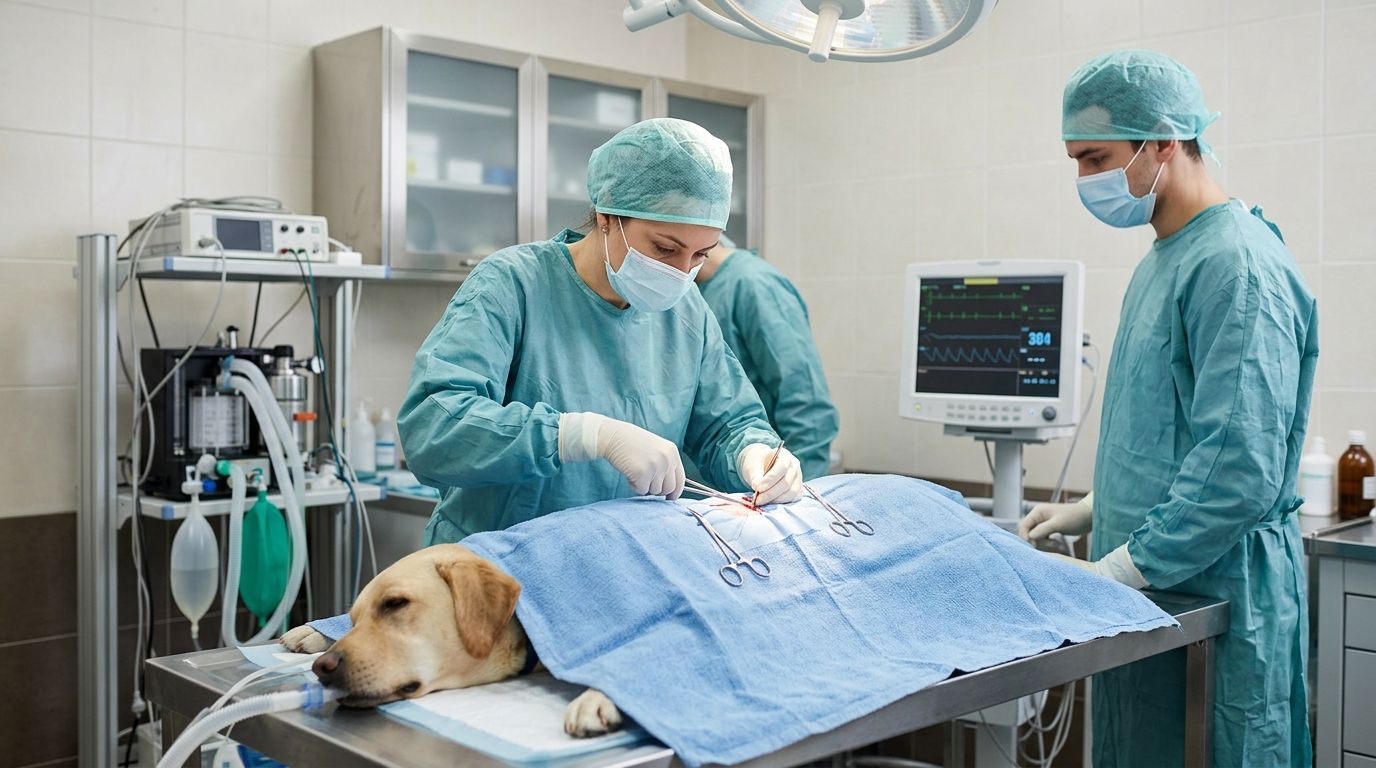
- General anaesthesia and monitoring during surgery
- The desexing procedure itself (castration for males, spay for females)
- A short course of pain relief to take home
- A post-op check to confirm the incision is healing
What's often billed as an extra: pre-anaesthetic bloodwork, an e-collar or recovery suit, and any additional pain relief beyond the standard course.
Small breed dogs: $200 to $350
A small breed dog under roughly 10kg, think Cavalier, Maltese or Chihuahua, typically desexes for $200 to $350 in 2026. Recovery time and anaesthesia dose scale down with body weight, which keeps the invoice at the lower end of the national range.
Verdict: standard desexing for a small breed dog is one of the more affordable routine surgeries a dog owner pays for in 2026. The full breakdown of what's included at this size, and what to ask before booking, is covered in the small breed dog desexing guide referenced above.
Large breed dogs: $350 to $600
A large breed dog over roughly 25kg, think Labrador, German Shepherd or Rottweiler, typically desexes for $350 to $600 in 2026. Longer surgery time, a bigger anaesthetic dose and more suture material all push the price above what a small breed dog pays for the same procedure.
Verdict: budget toward the top of the national range for a large breed female spay, it's the most expensive combination in this cost bracket. The large breed dog desexing guide covers recovery timelines and activity restrictions specific to bigger dogs.
Why dog desexing costs vary
- Size and body weight \u2013 more anaesthetic, more suture material and longer theatre time for bigger dogs.
- Sex \u2013 a female spay is abdominal surgery; a male neuter is shorter and less invasive, so it costs less.
- Age at surgery \u2013 older dogs sometimes need extra pre-anaesthetic bloodwork to check organ function first.
- Bundled extras \u2013 pain relief protocol, a recovery cone or suit, and an e-collar can be included or billed separately.
- Health conditions \u2013 an undescended testicle, obesity, or a heart murmur can turn a routine procedure into a longer one.
- Location and clinic type \u2013 overheads differ between a suburban general practice and a subsidised community desexing program.
Is desexing more expensive for female dogs than male dogs?
Yes, spaying a female dog costs more than neutering a male dog in every size category in 2026. A female spay is abdominal surgery that takes longer under anaesthesia, while a male neuter is quicker and less invasive, which keeps the male price at the lower end of the table above.
Are there subsidised desexing options in Sydney?
Some Sydney councils and community programs run desexing subsidy schemes that reduce the amount pet owners pay out of pocket. Eligibility usually depends on postcode, pension or concession status, and how the program is funded that year, so check current terms before assuming you qualify. The Northern Beaches desexing rebate guide walks through how to apply for one if you're local.
What age should I desex my dog to keep costs down?
Most Australian vets desex dogs from around 6 months of age, though large breed dogs are sometimes held off until closer to 12 months to let growth plates finish developing. Desexing earlier doesn't change the surgery cost itself, but it can prevent costlier problems later, like pyometra in an unspayed older female or prostate disease in an unneutered older male.
Two by Two Veterinary Hospital in Balgowlah performs dog desexing surgery alongside health checks and vaccinations for pet owners across Manly, Fairlight and the wider Northern Beaches. Pricing follows the same size-and-sex logic covered above, and the practice can talk through exactly what's included before you commit to a date.
Book a dog desexing consultation
Talk to the team at Two by Two Veterinary Hospital in Balgowlah.
FAQ
What's the average cost of dog desexing in Australia in 2026?
Dog desexing averages around $350 in Australia in 2026, with a full range of $200 to $600 depending on the dog's size and sex. Large breed females sit at the top of that range, small breed males at the bottom.
Is desexing more expensive for female dogs than male dogs?
Yes, spaying a female dog costs more than neutering a male dog in every size category. The spay is abdominal surgery and takes longer under anaesthesia than a male neuter.
How much does dog desexing cost for a large breed dog?
A large breed dog typically costs $350 to $600 to desex in 2026. Longer surgery time and a bigger anaesthetic dose push large breed dogs above the national average.
Are there subsidised desexing options in Sydney?
Some Sydney councils and community programs offer desexing subsidies that lower the out-of-pocket cost, usually based on postcode or concession status. Terms and availability change year to year, so check current eligibility before assuming you qualify.
Does dog desexing cost include pain relief and a recovery cone?
A short course of pain relief is usually included in a desexing quote, but a recovery cone or suit is sometimes billed as an extra. Ask the clinic to itemise the quote so you know what's covered.
What age should a dog be desexed?
Most dogs are desexed from around 6 months of age, though large breed dogs are sometimes held off until closer to 12 months. The age doesn't change the surgery cost but affects the risks it prevents later in life.
Does pet insurance cover dog desexing?
Standard accident and illness pet insurance policies in Australia generally treat desexing as a routine, elective procedure and don't cover it. Some policies offer a separate wellness add-on that contributes toward routine costs like this.
How long does dog desexing recovery take?
Dog desexing recovery typically takes 10 to 14 days, with restricted activity and a cone or suit worn for most of that period. Running, jumping and off-leash play are usually held off until the incision is fully healed.
One last thing
The recovery period matters more for the final outcome than which clinic quoted the lowest price. Keeping a dog calm and cone-on for 10 to 14 days after surgery in 2026 is what actually determines whether the incision heals clean.
A cheap desexing followed by a torn incision from too much running around ends up costing more in follow-up visits than a slightly pricier surgery paired with strict rest. The lowest quote isn't automatically the best value once aftercare gets factored in.