Puppy and kitten health checks are the first structured medical exams your new pet gets, covering weight, teeth, heart, joints, and parasite screening before the vaccination course starts. A puppy or kitten's needs differ from an adult pet's: growth is fast, immunity is still developing, and small issues like a heart murmur, a retained baby tooth or a hernia are easiest to catch and treat in the first four months of life.
- Health checks for puppies and kittens should start in the first week home, before any vaccination is given.
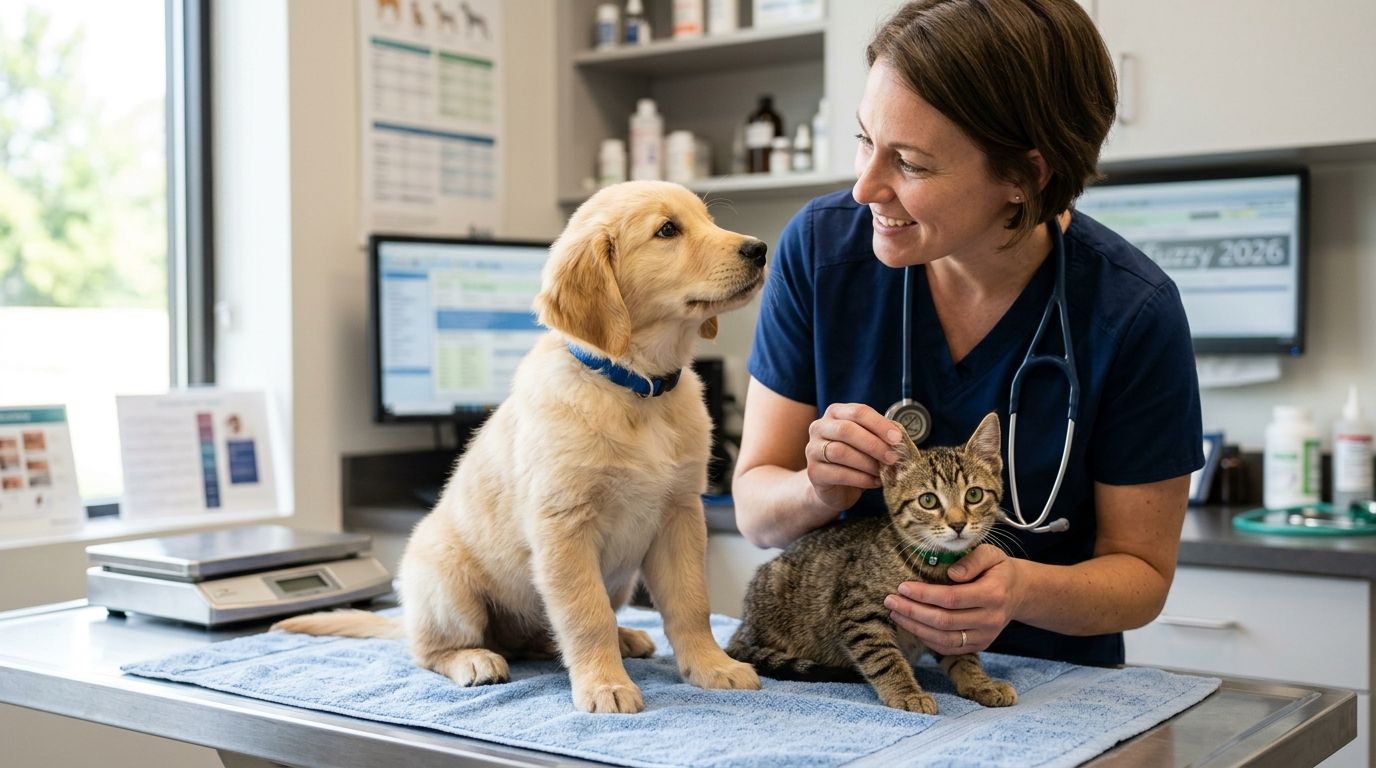
- Puppies and kittens need a physical exam roughly every 3-4 weeks until 16 weeks old, timed with vaccinations.
- Two by Two Vet in Balgowlah runs combined health check and vaccination appointments so you are not booking twice.
- Weight tracking, parasite screening and breed-specific joint checks matter more in the first 16 weeks than at any later stage.
- Skipping the week-one check is the most common mistake new puppy and kitten owners make in 2026.
Why health checks matter for puppies and kittens
A puppy or kitten's body changes week to week in a way an adult pet's does not. Weight can climb fast, baby teeth start dropping out around 12-16 weeks, and the immune system is only partly covered by the antibodies passed on from mum. That window is also when congenital issues show up most clearly, because the pet has not yet built the muscle and habits that mask a problem later.
A proper health check at Two by Two Vet in this period is not a formality tacked onto a vaccination visit. It is the baseline your vet compares against for the next decade. For Northern Beaches families juggling a new puppy or kitten alongside work and school runs, getting that baseline right in 2026 saves repeat trips later.
The other reason it matters: almost every early decision — worming schedule, flea and tick cover, desexing timing, food type — is set at these appointments. Get the exam right and the rest of the first year plans itself.
Your puppy and kitten health check plan, step by step
Book the first check-up in week one
Do not wait for the first vaccination appointment to get your new pet looked over. A week-one exam catches problems while treatment is simplest.
- Check gum colour, which should be pink rather than pale
- Look for eye or nose discharge
- Feel the belly for an umbilical hernia
- Confirm the navel has healed cleanly
- Record an intake weight as your first data point
Track weight and growth at every visit
Weight is the easiest early-warning sign in a growing puppy or kitten. A stalled or dropping weight between visits is worth flagging even when the pet seems bright and playful.
- Weigh weekly at home on kitchen scales for kittens and toy breeds
- Log the number in kilograms, not "feels heavier"
- Check body condition: ribs easy to feel, not easy to see
- Flag any week with zero or negative gain to your vet
- Bring the log to each appointment so the vet sees the trend, not one number
Get the parasite plan set before 12 weeks
Worms, fleas and paralysis ticks are the three that matter most on Sydney's Northern Beaches, and tick season runs hardest through the warmer months. A young pet's dose is weight-based, so the plan changes at each visit.
- Worm every two weeks until 12 weeks, then monthly to six months
- Start flea and tick cover at the age listed for the product your vet recommends
- Run a daily tick search by hand, working nose to tail
- Recheck dosing weight at every appointment, because products are banded by kilogram
- Ask what is safe for kittens specifically — several dog products are not
This is the point where a clinic visit beats DIY. A vet weighs the pet, picks the product band, and adjusts as the animal grows, which is faster than reading three product labels yourself. Our puppy worming guide covers the product side in detail.
Line up vaccinations with the exam
The vaccination course is the spine of the first 16 weeks, and every shot should come with a hands-on exam attached. Never accept a jab with no physical check.
- First shot usually around 6-8 weeks
- Second around 10-12 weeks
- Third around 14-16 weeks, completing core cover
- Ask for the exam findings to be written on the record, not just the vaccine batch
- Confirm the date for the next booster before you leave
Screen for breed-specific problems
Some checks only make sense for certain breeds, and the first 16 weeks is when they are most useful.
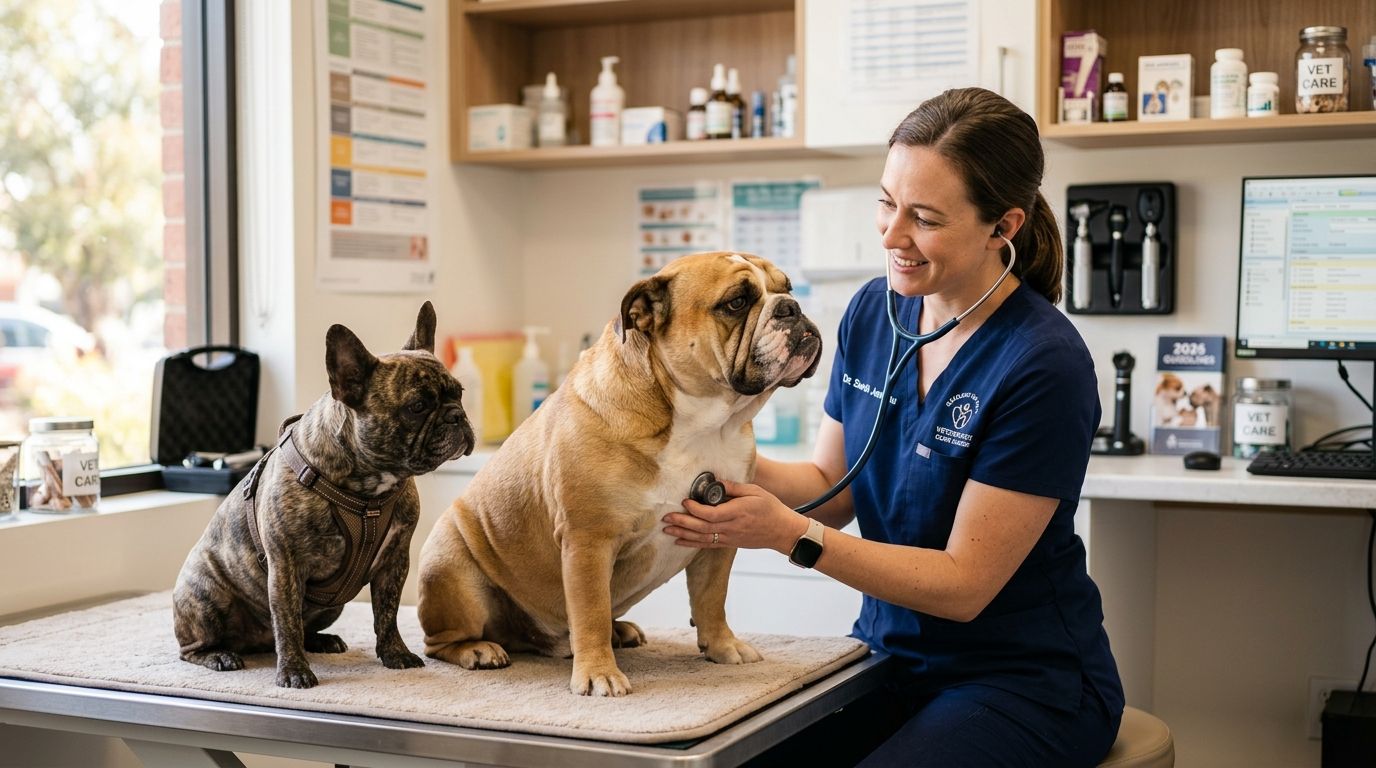
- Heart auscultation for murmurs at every early visit
- Patella (kneecap) check for small and toy dog breeds
- Hip assessment for large-breed puppies
- Airway and palate check for flat-faced breeds such as pugs and British Shorthairs
- Testicle descent check in male puppies and kittens by 12-16 weeks
Check the mouth at 12-16 weeks
Baby teeth should fall out as adult teeth erupt. When they do not, crowding follows and the bite can be affected for life.
- Count incisors at the 12-week and 16-week visits
- Look for a double row of canines, the classic retained-tooth sign
- Check the bite lines up when the mouth closes
- Start touching the mouth daily so brushing is normal later
- Raise any retained teeth before desexing, so both can be handled together
Plan desexing and the switch to annual checks
Once the 16-week vaccination course is done, the schedule changes. This is the conversation to have at the final puppy or kitten visit.
- Agree a desexing window based on size and breed
- Confirm microchip details are registered to you, not the breeder or shelter
- Set the adult worming and tick prevention routine
- Plan the food transition from puppy or kitten formula
- Book the next wellness check so it does not slip
Book your puppy or kitten check-up
Combined health check and vaccination appointments at our Balgowlah clinic.
Where to get health checks for puppies and kittens
Two by Two Veterinary Hospital is the straightforward pick for Northern Beaches owners who want the same vet seeing their puppy or kitten across the whole 16-week course. Continuity is the thing that makes these early exams useful — the same clinician noticing a change is worth more than a perfect single exam by a stranger.
| Option | Best for | Key limitation |
|---|---|---|
| Independent local clinic (Two by Two Vet, Balgowlah) | Owners who want the same vet across all early visits | Limited after-hours cover compared with a 24-hour hospital |
| Large chain vet clinic | Owners who move between suburbs or want extended trading hours | Rotating vets mean less continuity across the puppy or kitten course |
| Shelter or rescue clinic | Pets adopted through that organisation | Usually tied to their own adoptees and set service list |
| 24-hour emergency hospital | After-hours illness and accidents | Built for emergencies, not routine growth monitoring |
| Breeder or home-only monitoring | Weight logging between appointments | No stethoscope, no vaccines, no legal vaccination record |
If you are weighing up clinics, our comparison of Two by Two Vet and Petbarn Vet Clinic sets out the differences without the sales pitch.
Common mistakes new puppy and kitten owners make
- Waiting for the first vaccination to get any exam done. A week of an untreated issue in a 2kg puppy matters far more than it would in a 25kg adult dog.
- Skipping the parasite conversation because the pet looks fine. Worms and early flea burdens rarely show visible signs, and paralysis ticks give almost no warning on the Northern Beaches.
- Not weighing between visits. A stalled weight trend is often the first sign of trouble and is invisible if the only weigh-in is monthly at the clinic.
- Assuming breeder or rescue paperwork replaces an exam. A health certificate is a snapshot from a different date; your own baseline check in 2026 is what your vet will actually track against.
- Treating the 16-week shot as the finish line. Desexing timing, adult teeth and the food transition all still need decisions after that visit.
FAQ
When should a puppy get its first health check?
A puppy should get its first health check in the first week after coming home, before the initial vaccination around 6-8 weeks. This baseline exam picks up umbilical hernias, heart murmurs and weight problems early.
When should a kitten get its first health check?
A kitten should be examined in the first week home, ahead of the vaccination course starting around 6-8 weeks old. Early checks screen for palate defects, hernias and parasite load.
How often do puppies and kittens need vet visits before 16 weeks?
Puppies and kittens typically need a visit every 3-4 weeks until 16 weeks old, timed with the vaccination course. Each visit pairs a physical exam with the scheduled shot.
What do vets check in a puppy or kitten exam?
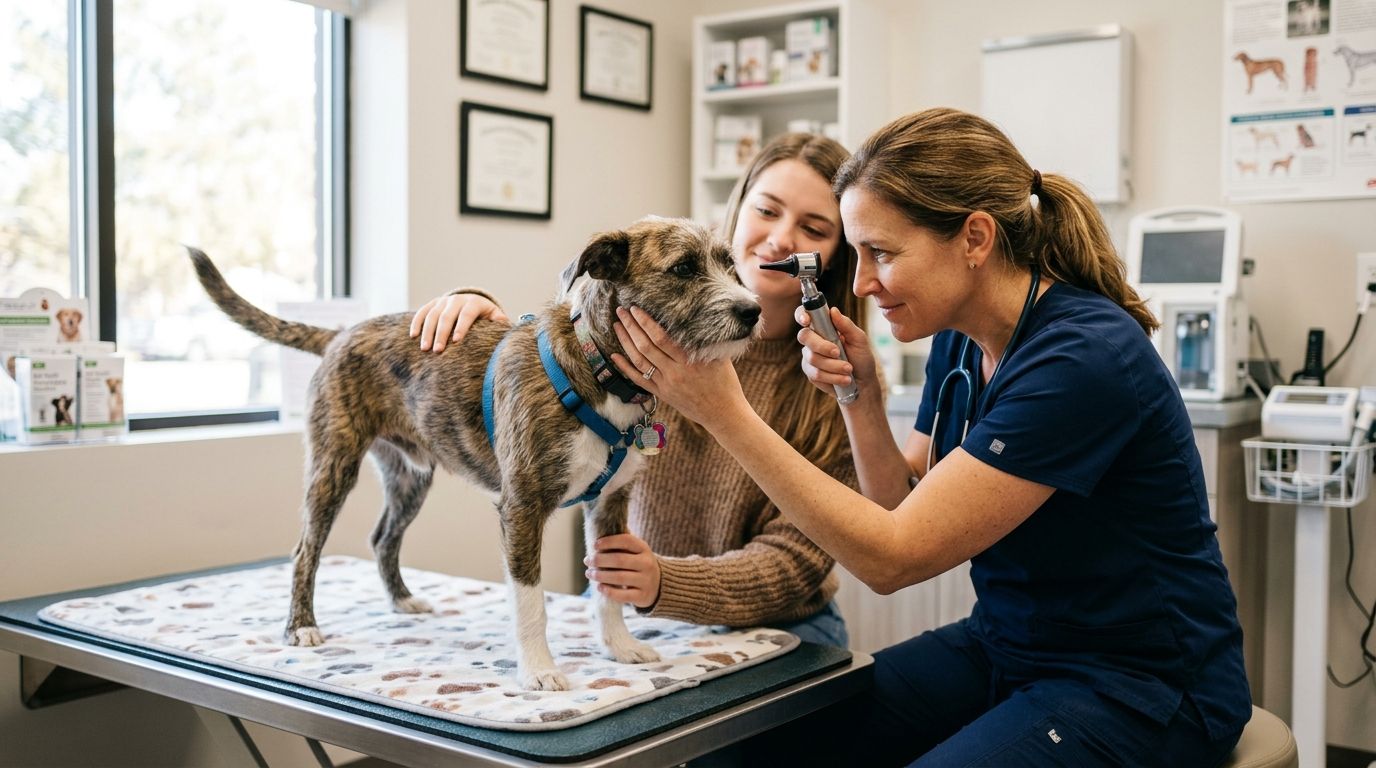
A standard exam covers weight, heart and lung sounds, gum colour, eyes, ears, joints, teeth and a check for hernias or parasites. Breed-specific screening is added for at-risk breeds such as flat-faced and large-breed dogs.
Is 8 weeks too early to health check a puppy or kitten?
No, 8 weeks is a standard age for a combined health check and first vaccination. Waiting longer delays parasite treatment and vaccine protection.
Can a health check catch congenital problems in young pets?
Yes, an early physical exam can detect heart murmurs, umbilical hernias and luxating patellas well before they become harder to manage. Several of these are easiest to address before 16 weeks.
What happens after the 16-week vaccination course finishes?
Most puppies and kittens move to an annual wellness check, with desexing and dental monitoring planned as the next steps. Your vet sets the follow-up timeline at the final puppy or kitten visit.
Do I need a separate appointment for a health check and a vaccination?
No. Two by Two Vet in Balgowlah combines the physical exam with the vaccination appointment, so one booking covers both.
One last thing
The most overlooked check in the first 16 weeks is not the heart or the hips — it is the mouth. Retained baby teeth show up most often in small breeds between 4 and 6 months, and a missed one crowds the adult tooth and can push the bite out of line permanently. Ask your vet to look specifically at tooth eruption at the 12-16 week visit rather than waiting until the desexing appointment in 2026, when the correction window may already be closing.