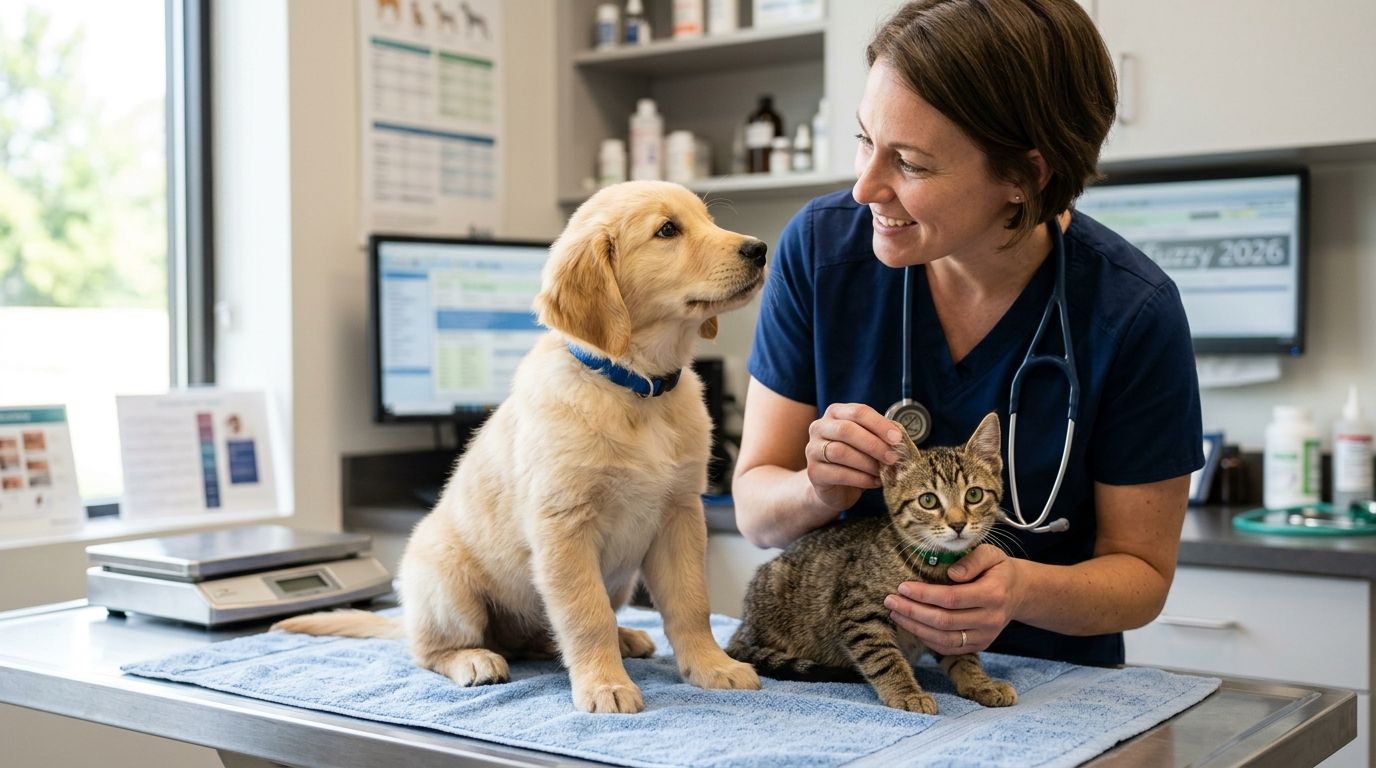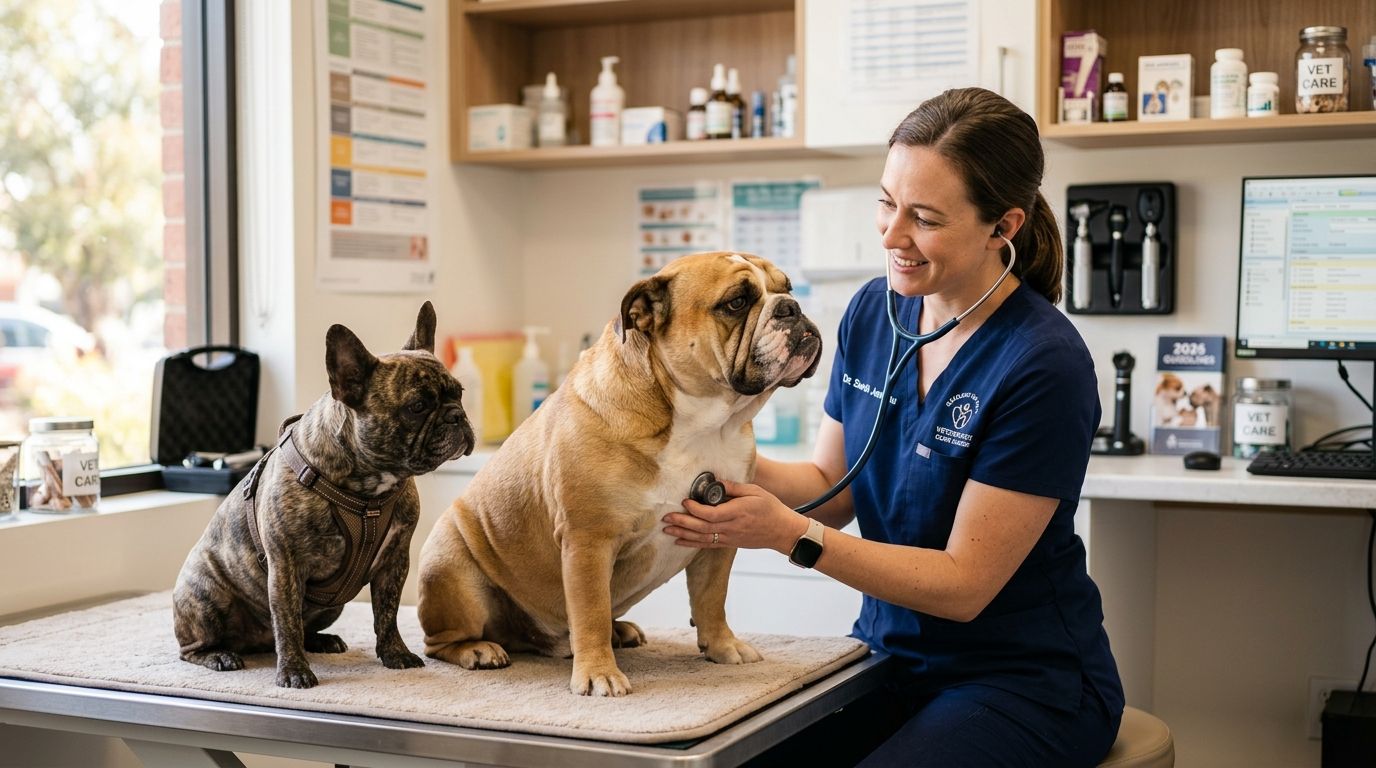
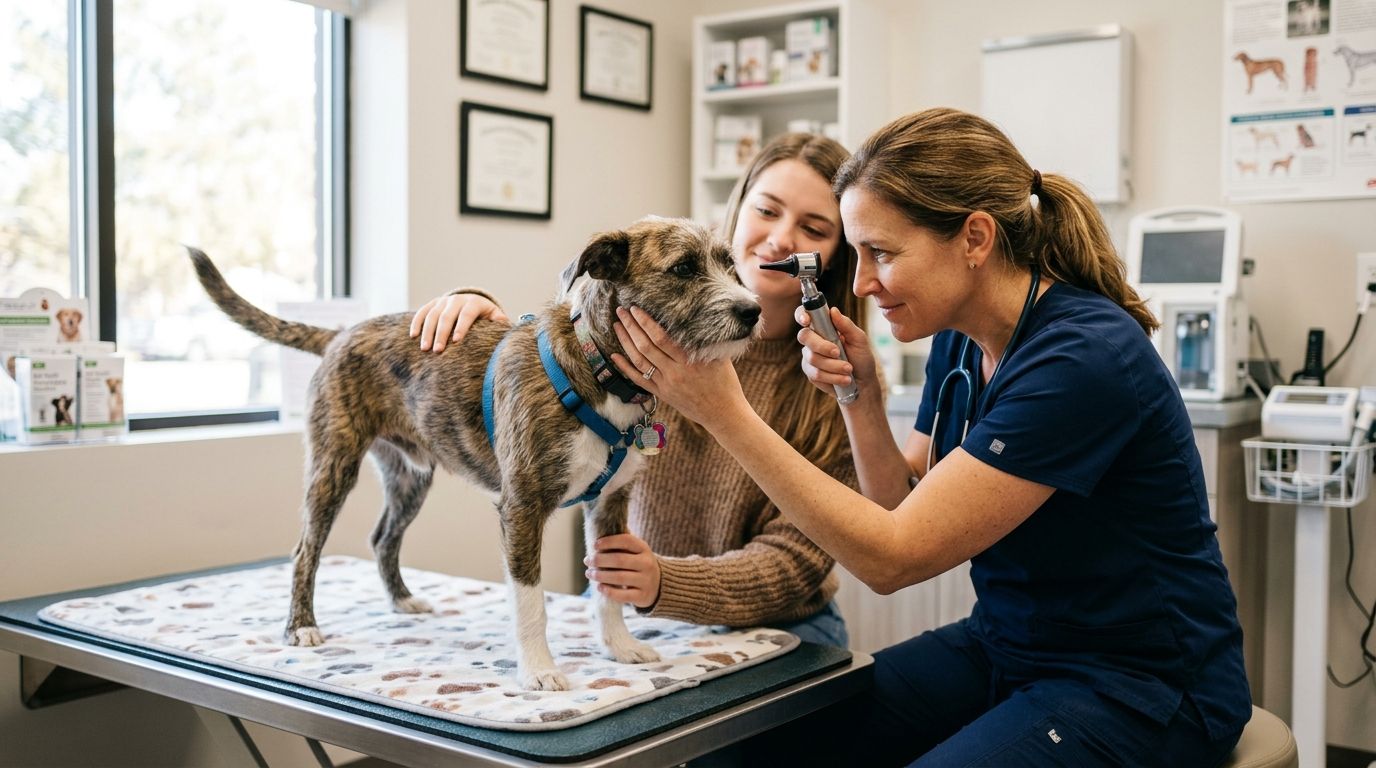
Health checks for adopted pets are the first vet visit every rescue or shelter animal needs, confirming baseline health before vaccinations, desexing follow-ups, or microchip details get locked into the record. Rescue and adopted pets carry more unknowns than a pet bought from a breeder — patchy vaccination history, unverified parasite status, and stress from shelter life all change what a first check-up needs to cover.
- Health checks for adopted pets should happen within 24-72 hours of bringing the pet home, before it mixes with other household pets.
- Shelter paperwork rarely tells the full story — a physical exam, faecal test, and microchip scan close the gaps.
- Two by Two Veterinary Hospital in Balgowlah runs new-pet health checks that combine exam, vaccination review, and microchip verification in one visit.
- Skip the wait-and-see approach: undiagnosed parasites or incomplete vaccination series in adopted pets get more expensive to treat the longer they go unchecked.
Why health checks matter for rescue and adopted pets
A pet from a registered shelter or rescue group in Australia usually arrives desexed, microchipped, and with some vaccination record. That record is often incomplete — a single core vaccine given at intake, not a full puppy or kitten series. Pets surrendered privately or picked up as strays may have no paperwork at all.
Stress from transport, new environments, and multiple handovers also suppresses immune response and can mask early illness signs. A pet that looked healthy at the shelter can present with kennel cough, ringworm, or intestinal parasites a week after adoption — the incubation period on several common conditions runs longer than the average shelter stay. That gap is exactly why a dedicated post-adoption exam through dog microchipping for rescue dogs and a full health check matter more here than for a pet with a known history.
The verdict: a health check for adopted pets within 72 hours of coming home catches the problems shelter paperwork can't, and it's the single most useful thing you can book in the first week of ownership.
Book the first health check within 24-72 hours
Don't wait for symptoms. Rescue and adopted pets should see a vet before they're introduced to resident pets, children, or shared bedding.
- Book the appointment on adoption day, not after signs appear
- Keep the new pet in a separate room from existing pets until cleared
- Bring a stool sample if the pet has had loose bowel movements
- Note any coughing, sneezing, or eye discharge observed since pickup
- Ask the shelter for a copy of intake records before the visit
Bring every piece of paperwork the shelter or rescue gave you
Vaccination cards, desexing certificates, and microchip transfer forms all change what the vet needs to do on day one. Missing paperwork means starting some protocols from scratch rather than assuming coverage.
- Vaccination certificate with dates and product names, if provided
- Desexing certificate confirming the procedure and date
- Microchip number and current registration details
- Any medication history, including flea or worming treatments given
- Behavioural notes from foster carers or shelter staff
Verify the microchip is registered to you
A huge number of adopted pets in Australia carry a microchip still registered to the shelter, a previous owner, or nobody at all. This is a legal requirement in NSW and the single easiest step to get wrong.
- Ask the vet to scan the chip and read back the number during the check
- Cross-check that number against the paperwork you were given
- Update the registration to your name and address through the relevant database
- Confirm the chip is a standard 15-digit ISO chip, not an obsolete format
- Re-scan at the six-month or annual check to confirm registration held
Catch up on vaccinations properly
Don't assume one vaccine at intake means full protection. Puppies need a three-round core series completed by around 16 weeks of age, and adult dogs with unknown history are often treated as unvaccinated and restarted. The same logic applies to kittens and cats — see the kitten vaccination guide for the standard schedule if you've adopted a cat under six months old.
- Ask for the exact vaccine brand and date given at the shelter, not just "vaccinated"
- Restart the core series if history is incomplete or undocumented
- Book the next booster before leaving the first appointment
- Discuss kennel cough and non-core vaccines relevant to Sydney's Northern Beaches
- Keep a written schedule so boosters aren't missed at week four or eight
This is the point where the manual approach and a clinic visit diverge. You can track dates on a calendar yourself, but a vet team that runs the full puppy and dog vaccination schedule for first-time and rescue owners will flag gaps you'd otherwise miss — worth reviewing alongside the puppy vaccination schedule if you've taken on a young dog.
Test for parasites before they spread through the household
Intestinal worms, fleas, ticks, and heartworm are common in rescue populations, particularly strays and pets from regional shelters. A faecal float and a physical skin check pick up most of what matters.
- Request a faecal test at the first visit, even with no visible symptoms
- Start monthly heartworm prevention if status is unknown or unconfirmed
- Check the coat and skin for fleas, ticks, and mite lesions
- Ask about tick paralysis risk if the pet came from a tick-endemic region
- Repeat the faecal test at the follow-up visit two to four weeks later
Screen for infectious disease in cats especially
Cats from multi-cat shelter environments carry higher exposure risk to FIV and FeLV than cats from single-household backgrounds. Testing is a blood draw, done at the same visit as the general exam.
- Ask for FIV/FeLV testing on any cat with unknown background
- Keep a positive-testing cat separated from other household cats until advised otherwise
- Discuss vaccination timing if the cat tests negative but was recently exposed
- Note that kittens under six months can return false results and may need retesting
- Factor test results into any pet insurance decision — see the pet insurance for dogs guide for how pre-existing conditions get treated at sign-up
Watch for behavioural and stress signs, not just physical ones
Adopted pets carry stress that shows up as physical symptoms — appetite loss, diarrhoea, hiding — even with a clean bill of health. A vet check separates medical causes from adjustment stress.
- Note eating and drinking patterns over the first week
- Watch for hiding, excessive vocalising, or destructive behaviour
- Flag any aggression or fear responses during handling
- Give the pet a consistent routine before assuming a behaviour problem
- Raise stress signs at the check-up rather than waiting for them to resolve
Comparing your options for a post-adoption check
| Option | Best for | Key limitation |
|---|---|---|
| Home observation only, no vet visit | Pets with full, verified shelter paperwork and no symptoms | Misses subclinical parasites and infections with delayed onset |
| Single new-pet health check visit | Most rescue and adopted pets in the first week | One-off snapshot — doesn't catch illness that develops later |
| Health check + vaccination catch-up + microchip verification | Pets with incomplete or missing paperwork | Needs two to three visits spaced weeks apart to finish the schedule |
| Full diagnostic workup (bloods, faecal, imaging) | Pets showing visible illness or from high-risk intake environments | More time and handling required than a standard exam |
“If your rescue dog hasn't seen a vet within 72 hours of adoption, you're relying on shelter paperwork to tell you what a blood test and a faecal float would confirm in one visit.”
Common mistakes rescue and adopted pet owners make
- Assuming "vaccinated" on paperwork means fully protected — one shot at intake is not a completed series for a puppy or kitten.
- Skipping the faecal test because the pet looks fine — intestinal parasites in adopted pets are frequently asymptomatic until they aren't.
- Introducing the new pet to resident animals before the first check clears them — this is how kennel cough and ringworm spread through a household.
- Letting microchip registration sit in the shelter's name — this becomes a legal and practical problem the day the pet goes missing.
- Treating adjustment stress as a training problem — vomiting, appetite loss, and hiding in week one deserve a medical check first, behavioural advice second.
Book your adopted pet's first check
New-pet health checks for rescue dogs and cats across Sydney's Northern Beaches.
FAQ
When should I book a health check for an adopted pet?
Book a health check for an adopted pet within 24 to 72 hours of bringing them home, before introducing them to resident pets. This gives you time to catch infectious conditions before they spread through the household.
How much does a health check cost for a rescue pet in Australia?
Cost depends on what the exam turns up and whether extra testing like a faecal float or blood panel is needed. Ask the clinic for a quote when you book, since a straightforward check and one requiring vaccination catch-up are priced differently.
Do rescue dogs need a different vaccination schedule than puppies bought from a breeder?
Rescue dogs with unknown vaccination history are often restarted on the standard series rather than assumed protected. A vet reviewing any paperwork provided will decide whether to continue or restart the schedule.
Is my adopted pet's microchip already registered to me?
Not always. Many adopted pets still carry a chip registered to the shelter or a previous owner, which needs updating to your details as soon as possible in 2026 to stay compliant with NSW requirements.
Can a vet tell if a rescue pet has been mistreated?
A physical exam can identify old fractures, scarring, dental damage, and other signs consistent with neglect or injury, though it can't always confirm the cause. This information helps shape ongoing care and behavioural expectations.
Should I get pet insurance before or after the first vet visit?
Get insurance sorted before the first health check where possible, since conditions identified at that visit may be treated as pre-existing by some insurers. Compare providers before the appointment rather than after.
How soon can an adopted cat or dog be desexed if it wasn't done at the shelter?
Most shelters and rescues in Australia desex before adoption, but pets adopted young or from private surrenders may not be. Vets typically recommend desexing from around four to six months of age depending on breed and size.
What should I bring to my adopted pet's first vet appointment?
Bring any vaccination certificate, desexing certificate, and microchip paperwork provided by the shelter, plus a fresh stool sample if possible. Notes on eating, drinking, and behaviour since adoption also help the vet assess the pet accurately.
One last thing
The pets most likely to be skipped for a proper post-adoption check are the ones that look perfectly healthy — no cough, no limp, good appetite. Those are frequently the pets carrying asymptomatic intestinal parasites or an incomplete vaccine series, because visible symptoms are what usually prompt an unplanned vet visit. In 2026, with shelter intake numbers still high across Sydney, a scheduled health check in the first week of ownership is the difference between catching a problem early and discovering it three months later at a much higher cost to treat.