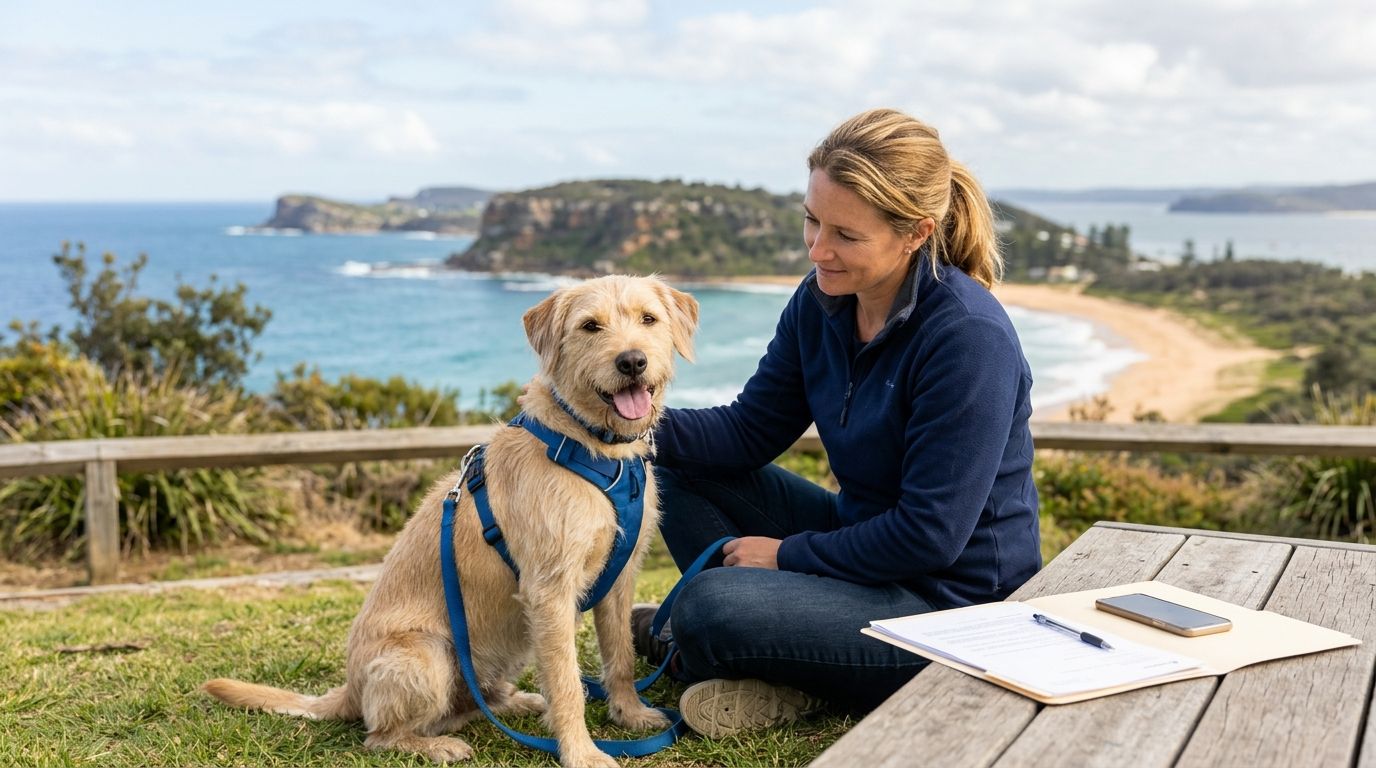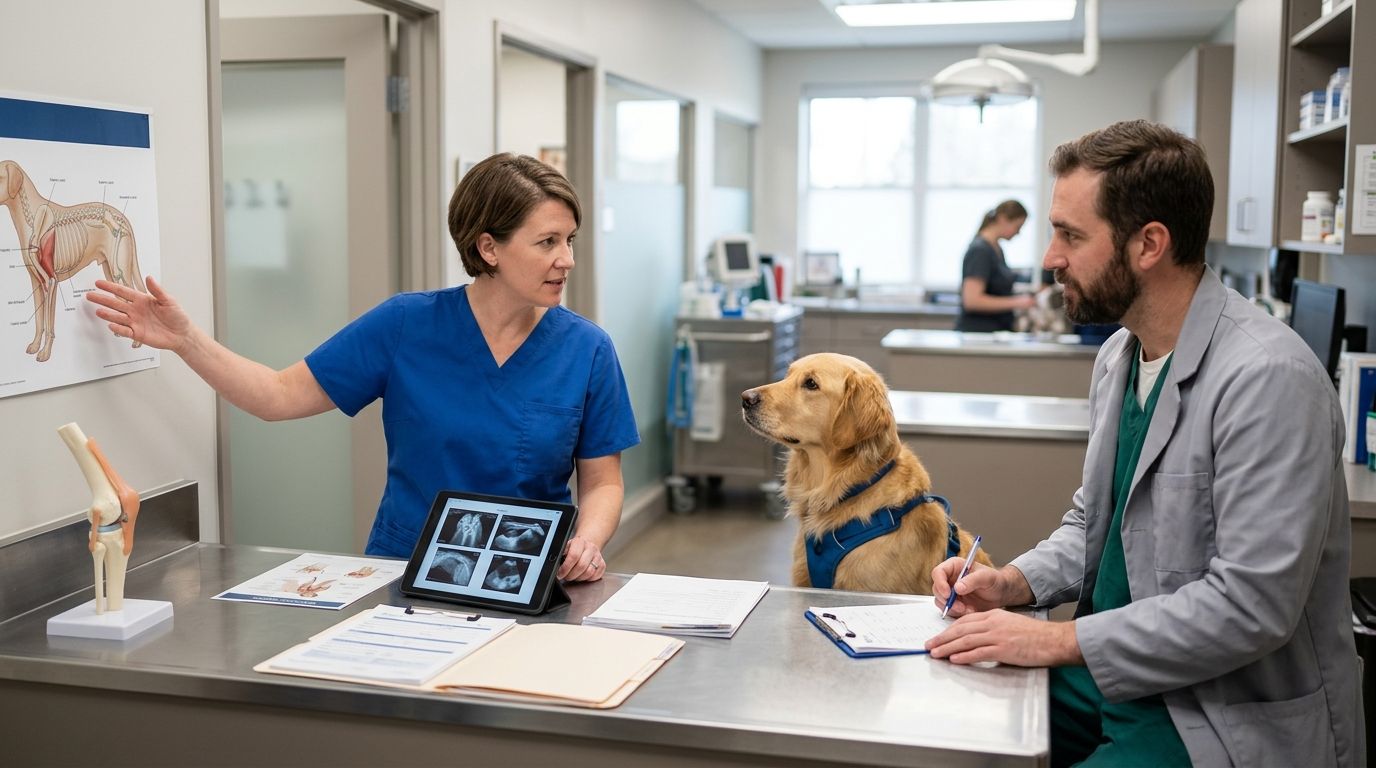
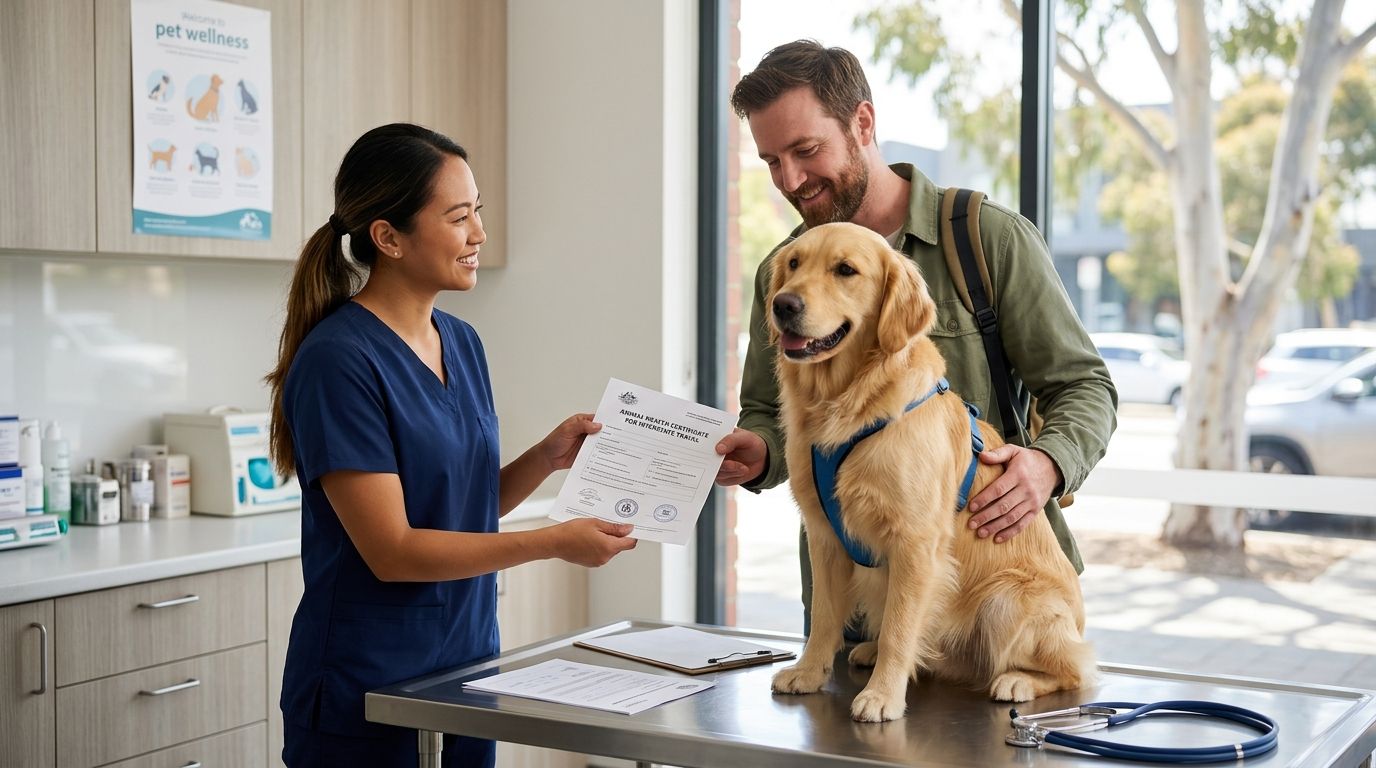
Booking a flight for your dog or cat is the easy part. The paperwork that clears them for boarding is where most Northern Beaches pet owners get caught out — a health certificate signed too early expires before the flight, and one signed too late means no vet appointment left before departure. Book the certificate inside the airline's required window, confirm your destination state's import rules first, and the paperwork clears at check-in instead of stalling you at the counter.
- A pet health certificate for interstate travel in Australia must be signed by a vet, usually within 5 to 10 days of departure.
- Western Australia and Tasmania require import permits on top of the standard certificate; most mainland states don't.
- Two by Two Veterinary Hospital in Balgowlah issues interstate travel health certificates for Northern Beaches pet owners.
- Book the vet visit close to your travel date, not weeks ahead, or the certificate expires before boarding.
- Airlines reject certificates missing the vet's registration number or a signed fit-to-travel declaration.
Why this matters
A pet health certificate isn't a formality your airline glosses over. Qantas Freight, Virgin Australia and most pet transport companies won't load a dog or cat without one, and biosecurity officers in Western Australia and Tasmania can hold or refuse entry to an animal arriving without the correct import documentation. Get the timing wrong and you're rebooking flights, not just re-signing a form.
The process itself is short once you know the order of operations: confirm the destination's rules, book the vet visit inside the certificate's valid window, get the exam done, hand the paperwork over. Most owners lose time on the first step, not the vet visit.
Before you start
- Your pet's full vaccination history (C5 for dogs, F3 for cats) plus their microchip number — have this ready even if Two by Two Vet already holds the records.
- Your destination state and the exact certificate window your airline or carrier requires — this varies by carrier, so check the booking confirmation, not just the airline's general policy page.
- The gotcha: most airlines and state biosecurity departments only accept certificates dated within 5 to 10 days of departure. Booking the vet visit a month out because that's when you booked flights means the certificate expires before your pet ever boards.
Check your destination state's requirements first
- Identify which state department handles animal imports for your destination — Western Australia and Tasmania run separate biosecurity processes from the rest of the mainland.
- Confirm whether a standard vet health certificate covers you, or whether the state also requires an import permit applied for in advance.
- Note any state-specific vaccination, parasite treatment or tick-risk-area declarations your vet will need to sign off on.
Expected result: you know before booking the vet appointment whether one certificate is enough or whether extra permit paperwork needs to be lodged separately, ahead of time.
Book your vet health certificate appointment
- Call ahead and specify it's an interstate travel health certificate — this isn't the same booking type as a routine check-up.
- Provide your pet's microchip number and any vaccination records held at a different clinic, so the vet can verify status against current requirements.
- Book the appointment inside your airline's certificate window (5 to 10 days before departure, confirmed against your booking).
Expected result: an appointment confirmed within the valid window, timed to match the exact travel date on your ticket.
Complete the vet examination and certificate
- The vet performs a physical exam: general condition, weight, temperature, and a check for anything that would make the animal unfit to travel.
- The vet confirms current vaccination status and flea, tick and worm treatment, since most carriers and destination states require these to be up to date.
- The vet completes the Certificate of Health, including a signed fit-to-travel declaration, veterinary registration number and clinic details on letterhead.
Expected result: a signed, dated certificate that matches the format your airline or carrier specifies, ready to attach to your booking.
Submit the certificate to your airline or transport provider
- Upload or print the certificate and attach it to your booking reference where the carrier requires it.
- Bring the physical certificate and microchip paperwork to check-in or the freight counter on travel day.
- Keep a photo of the signed certificate on your phone as a backup in case the paper copy is misplaced.
Expected result: your pet clears the check-in or freight desk without a delay caused by missing or unreadable paperwork.
Traveling to Western Australia or Tasmania? Add these steps
WA and Tasmania run stricter biosecurity checks than other states, and the standard health certificate alone won't clear your pet through either border.
- Western Australia typically requires an import permit lodged with the state's Department of Primary Industries and Regional Development before travel, plus documented tick treatment if you're coming from a tick-risk area.
- Tasmania requires compliance with its state biosecurity import conditions, and cat owners should check current containment requirements before arrival.
- Apply for these permits well ahead of your travel date — they run on a separate timeline from the vet health certificate, and a rushed application is the most common reason owners get held up at the last minute in 2026.
Troubleshooting
Certificate expired before the flight. Don't travel on an expired certificate — rebook the vet visit inside the valid window rather than risk refusal at check-in.
Airline rejects the certificate for a missing registration number. Confirm before you leave the clinic that the certificate includes the vet's registration number and clinic letterhead, not just a signature.
WA or Tasmania permit application is taking longer than expected. Lodge the permit application separately and earlier than the vet certificate booking — the two run on different clocks.
Microchip number on the certificate doesn't match the pet's registration. Sort this out before the vet appointment; the microchip registration workflow covers what to check and fix.
Vaccination status has lapsed. Boosters need time to take effect, so schedule vaccinations well before your travel window opens, not the week before the flight.
Customize your workflow
If you're moving interstate permanently rather than just visiting, the health certificate is only one piece of the paperwork. Line up a same-day vet appointment if your travel date is close and you haven't booked yet, and confirm your pet's microchip and vaccination records are current before the exam so the certificate visit doesn't get held up on missing paperwork.
Book your travel health certificate
Same-day appointments available for Northern Beaches pet owners.
FAQ
How do I get a pet health certificate for interstate travel in Australia?
Book a vet appointment inside your airline's required window, usually 5 to 10 days before departure, and have your pet's vaccination and microchip records ready. The vet examines your pet and signs a Certificate of Health confirming they're fit to travel.
How long is a pet health certificate valid for interstate travel?
Most airlines and carriers only accept certificates dated within 5 to 10 days of departure. Check your specific carrier's window before booking the vet visit, since it varies by airline.
Do I need a permit as well as a health certificate for Western Australia or Tasmania?
Yes. Both states run additional biosecurity import requirements on top of the standard vet health certificate, and the permit application should be lodged separately and earlier than the vet visit.
Can any vet issue a pet health certificate for interstate travel?
Most registered vets can issue one, including Two by Two Veterinary Hospital in Balgowlah for Northern Beaches pet owners. Confirm your vet includes the registration number and clinic letterhead your carrier requires.
What vaccinations does my dog or cat need before interstate travel?
Dogs generally need current C5 vaccination and cats need current F3, plus up-to-date flea, tick and worm treatment. Some destination states add further requirements, so check before booking the certificate appointment.
Does my pet's microchip need to be registered before I travel interstate?
Yes, the microchip number on the certificate needs to match your pet's registration record. Mismatches are one of the most common reasons a certificate gets held up at check-in.
What happens if my pet's health certificate expires before the flight?
Airlines and biosecurity checkpoints won't accept an expired certificate, so you'll need to rebook the vet visit inside the valid window before travel. Don't attempt to travel on an expired document.
Is a health certificate required for domestic flights within the same state?
Requirements vary by carrier even within one state, so check your specific airline's pet travel policy rather than assuming interstate rules apply. Most interstate and cross-border movements are where the certificate is strictly enforced in 2026.
One last thing
Owners flying through a connecting airport often assume the certificate only matters at the final destination. It doesn't — biosecurity checks at a layover in Western Australia or Tasmania apply even if you're only changing planes there, so a certificate that's valid for your final leg but not the connection can still get your pet held.