Cat boarding for senior cats means short-term care built around slower joints, daily medication and a lower tolerance for stress, not a scaled-down version of standard boarding. A 14-year-old cat with kidney disease and arthritis needs a different room, feeding routine and handling style than a healthy two-year-old, and getting that wrong can trigger a health setback that outlasts the holiday itself.
- Cat boarding for senior cats works best in vet-affiliated facilities that can monitor medication, appetite and mobility daily.
- Book a pre-boarding health check within 2-4 weeks of the stay so any new issue is caught before drop-off, not during it.
- Standard boarding kennels are fine for healthy cats under 10; cats on daily medication or with chronic disease need vet-supervised cat boarding.
- Pack the cat's own bedding, litter and food to avoid the digestive and stress flare-ups that novelty causes in older cats.
- A pet camera during boarding gives owners visibility into appetite and activity without disturbing a settled senior cat.
Why cat boarding matters for senior cats
A cat is generally classed as senior from around 10-11 years old, and that's when arthritis, kidney disease, hyperthyroidism and dental disease start showing up in routine checks. Boarding disrupts the two things that keep an older cat stable: a fixed routine and a low-stress environment.
A young, healthy cat mostly just sulks for a few days in unfamiliar surroundings. An older cat on twice-daily thyroid medication or with early-stage kidney disease can stop eating, get dehydrated or have a flare-up that isn't obvious until it's already serious. Cat boarding for senior cats has to account for this gap, not treat every cat the same.
This is also why the search for senior pet health checks tends to spike right before boarding season — owners are trying to catch problems before they hand their cat over for a week or two.
Book a pre-boarding health check
A health check 2-4 weeks before a booking gives enough runway to adjust medication or flag a condition without cancelling the trip.
- Confirm current weight against the last 2-3 visits to catch unexplained loss early
- Get bloodwork updated if it's been more than 6-12 months, especially for kidney and thyroid values
- Ask the vet to write out medication dosing in plain terms the boarding staff can follow exactly
- Flag any new lumps, limping or litter box changes before the stay, not after
- Update vaccination status so it doesn't lapse mid-booking
Confirm medication and feeding protocols in writing
Verbal instructions get lost between shift changes. A written protocol removes ambiguity for a cat whose stability depends on consistent timing.
- List every medication, dose, and exact time of day
- Note whether pills are given with food or on an empty stomach
- Specify the exact brand and flavour of prescription diet, since a substitution can upset a sensitive gut
- Include what to do if the cat refuses food for more than 24 hours
- Leave a backup contact number in case the facility needs a decision fast
Choose a facility built for older bodies
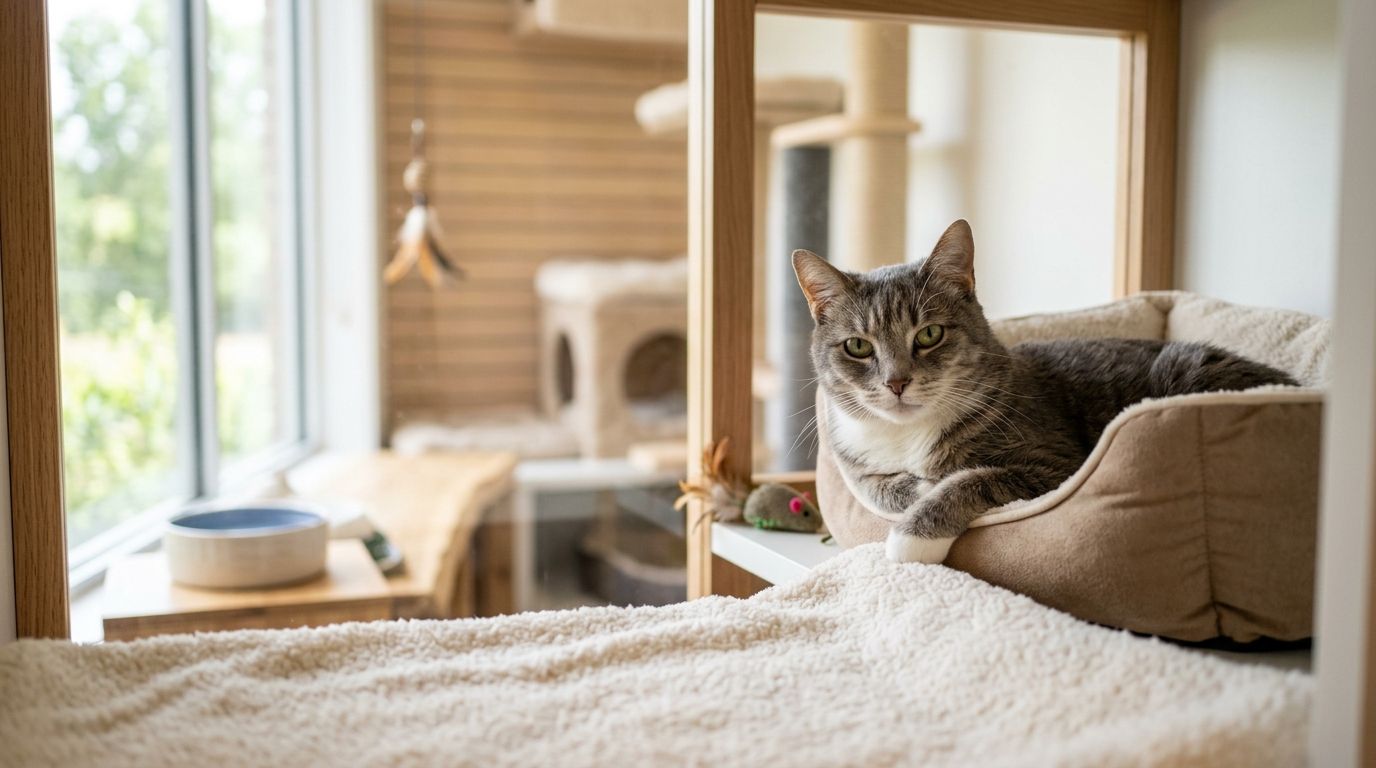
Standard catteries are designed around younger, mobile cats. A senior cat needs low-entry litter trays, non-slip flooring and a bed it doesn't have to jump to reach.
- Ask if litter trays have low sides for cats with arthritis
- Check that bedding is ground-level, not elevated shelving only
- Confirm heating is available for cats that get cold faster with age
- Ask how often staff physically check on cats, not just refill food
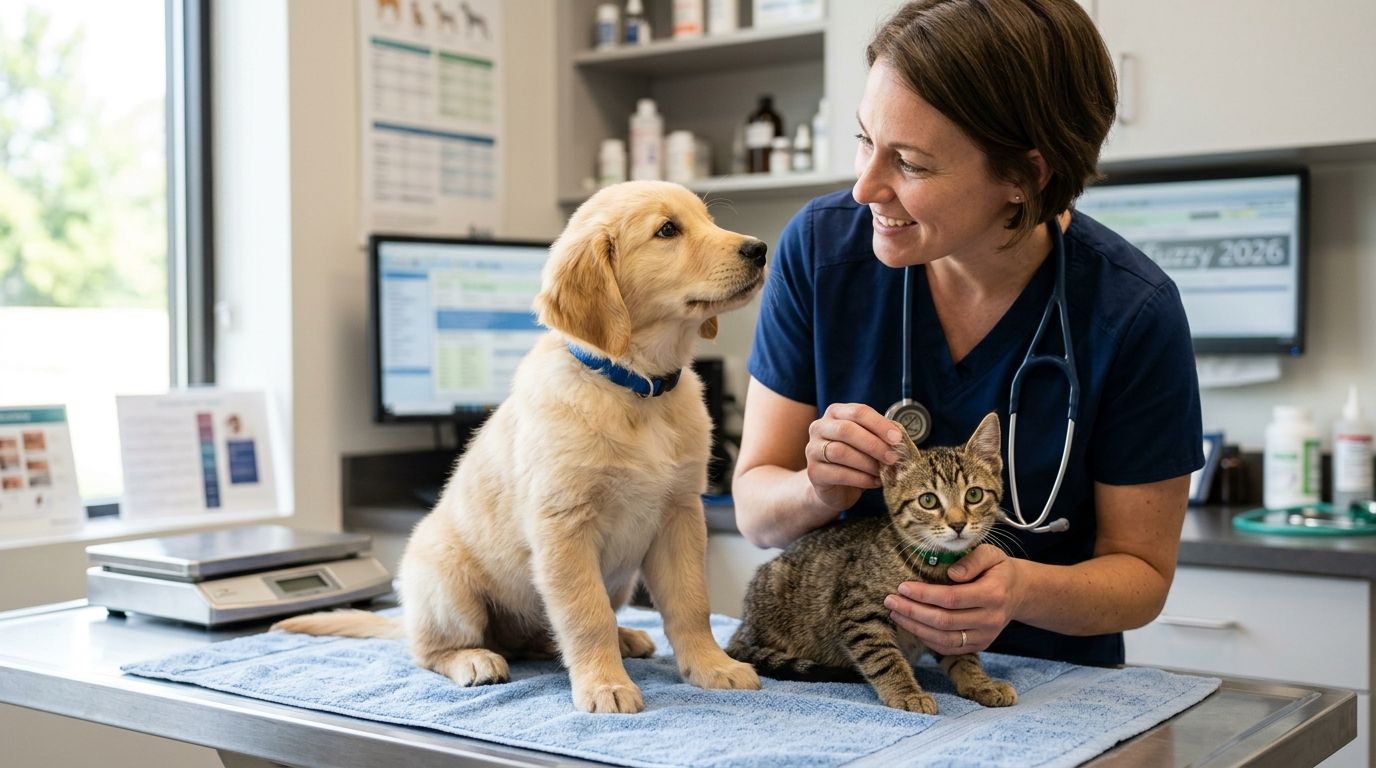
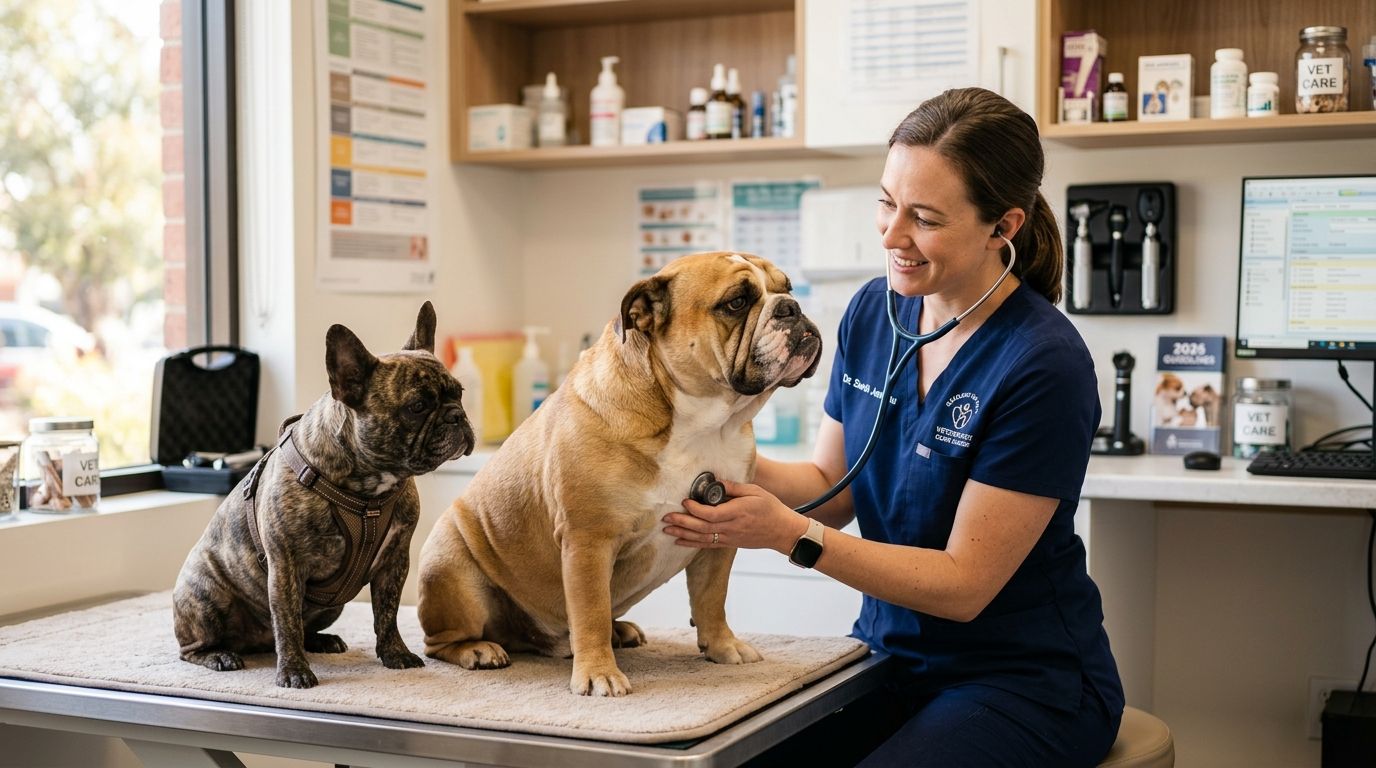
- Look for on-site or on-call veterinary access, which matters far more once a cat is over 10
Vet-run boarding has an obvious edge here: staff can act on a change in appetite or behaviour the same day instead of waiting for a scheduled pickup call. That's the gap between standard cat boarding kennels on the Northern Beaches and boarding attached to a working veterinary hospital.
Pack for continuity, not novelty
A senior cat's stability depends on familiarity. New bedding, new litter or a new food brand during boarding is a common trigger for stress-related vomiting or refusal to eat.
- Send the cat's actual bed or a blanket that smells like home
- Bring the exact litter brand it uses, not a substitute
- Pack enough of its current food for the full stay plus 2-3 extra days
- Include a favourite toy, even if it's rarely used — familiar objects reduce stress faster than new ones
- Avoid sending anything that needs to be introduced or trialled during the stay
Ask about monitoring and vet access
For a cat with a chronic condition, the question isn't whether staff will notice a problem — it's how fast they can act on it.
- Ask exactly how often the cat is checked, in hours, not "regularly"
- Confirm whether a vet is on-site or only reachable by phone
- Ask what happens if the cat needs urgent treatment mid-stay
- Check if the facility can administer insulin or subcutaneous fluids if relevant
- Find out how updates are communicated to you during the stay
Some owners now add a pet camera for monitoring pets while boarding as a second layer of reassurance, particularly for a cat that's never boarded before.
Plan for a shorter, calmer stay where possible
Older cats generally cope better with shorter boarding windows than with two- or three-week stays. If the trip length is flexible, a shorter stay reduces cumulative stress.
- Split a long trip so a trusted person checks the cat mid-stay if boarding isn't possible for the full duration
- Book a trial overnight stay before a first long booking, if the facility offers it
- Avoid scheduling boarding right after a medication change or procedure
- Build in a buffer day after pickup before resuming a normal routine
“If your cat needs more than one medication a day, book vet-supervised cat boarding, not a standard kennel.”
Comparing boarding options for senior cats
| Option | Best for | Key limitation |
|---|---|---|
| Vet hospital-affiliated boarding | Cats on daily medication or with chronic disease | Fewer locations than standalone catteries |
| Standalone cat-only boarding cattery | Healthy senior cats without medical needs | No on-site vet if a health issue arises |
| In-home pet sitter | Cats that get anxious in any unfamiliar setting | No professional monitoring of subtle health changes |
| General pet hotel (dogs and cats) | Owners needing a last-minute, short stay | Noise and activity levels can stress an older cat |
Vet-affiliated boarding wins for any senior cat with an existing diagnosis — kidney disease, hyperthyroidism, diabetes or arthritis all benefit from staff who can read bloodwork history and act same-day. A healthy 11-year-old with no medication needs is fine at a well-run standalone cattery.
Ask about senior cat boarding
Book a pre-boarding health check and boarding stay together.
Common mistakes owners make with senior cat boarding
- Booking on price alone. The cheapest cattery rarely has the staff ratio needed to notice a subtle appetite drop in a 13-year-old cat.
- Skipping the pre-boarding check. Owners assume "she was fine last month" is enough; kidney and thyroid values can shift in weeks, not months.
- Sending vague instructions. "Give her pill in the morning" isn't a protocol — staff need exact times, doses and food pairing.
- Ignoring anxiety signals from past stays. A cat that hid the whole time last year will likely do it again; products for cats during vet visits can help, but the bigger fix is choosing a calmer facility.
- Assuming all boarding is interchangeable. A senior cat with arthritis in a facility built for young, jumpy cats is set up to struggle from day one.
FAQ
What is the best cat boarding for senior cats in 2026?
Vet-affiliated cat boarding is the best option in 2026 for senior cats on daily medication or with a chronic condition, since staff can monitor bloodwork history and respond same-day to changes. Healthy senior cats without medical needs do fine at a quiet, cat-only standalone cattery.
Is a health check necessary before boarding an older cat?
Yes, a health check 2-4 weeks before boarding catches new issues like weight loss or dental pain before the stay, not during it. This matters most for cats over 10 already managing kidney, thyroid or joint conditions.
How long can a senior cat safely stay in boarding?
There's no fixed maximum, but shorter stays generally cause less cumulative stress in older cats than two- to three-week bookings. Splitting a long trip with a mid-stay check-in reduces the strain further.
Do senior cats need a vet on-site during boarding?
Cats on daily medication or with a diagnosed condition benefit from on-site or same-day vet access, since a subtle change can escalate faster in an older cat. Healthy senior cats without medical needs are generally fine with phone access to a vet.
Should I bring my own food and litter for boarding?
Yes, sending the cat's usual food, litter brand and bedding reduces the stress-related appetite loss and digestive upset that a sudden switch can cause. Pack enough food for the full stay plus 2-3 extra days.
Can a pet camera help during senior cat boarding?
A pet camera lets owners check on appetite and activity without disturbing the cat's routine, which is useful reassurance for a first-time boarder. It doesn't replace staff physically checking on the cat multiple times a day.
Is home pet-sitting better than boarding for an anxious senior cat?
In-home sitting can suit a cat that gets anxious in any unfamiliar setting, since it stays in its own space. The trade-off is no professional monitoring of subtle health changes that a vet-affiliated facility would catch.
What medical conditions make vet-supervised boarding necessary?
Kidney disease, hyperthyroidism, diabetes and arthritis requiring daily medication all make vet-supervised cat boarding the safer choice in 2026. Standard catteries generally aren't set up to manage insulin dosing or monitor bloodwork trends.
One last thing
The detail most owners miss: stress alone can push a cat with early kidney disease or hyperthyroidism into a visible decline faster than the same stress would affect a young, healthy cat. That's the real argument for vet-supervised cat boarding over price or convenience — it's not about comfort, it's about having someone qualified nearby the moment something changes.